
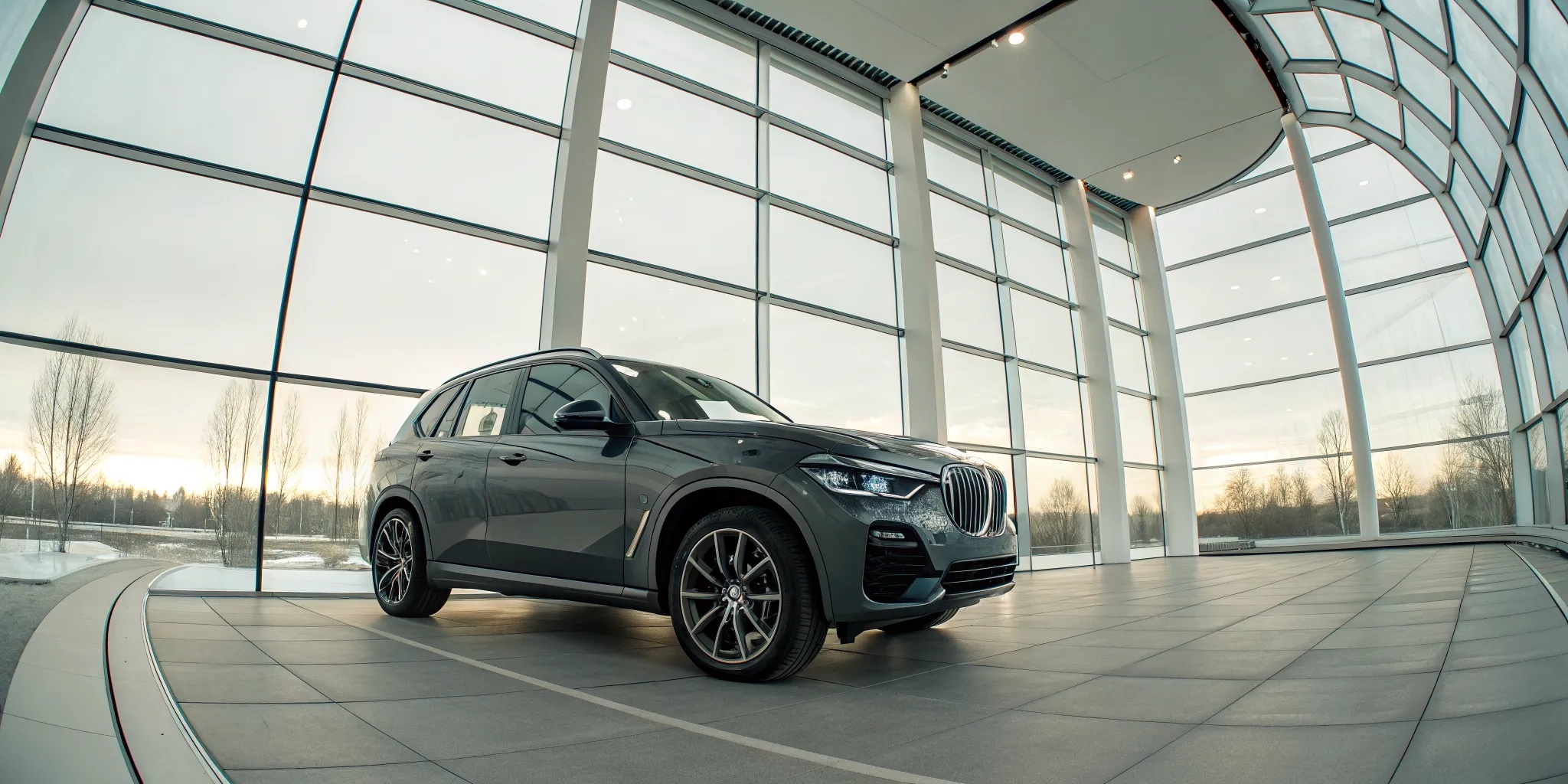
The process of buying a pre-owned car should feel empowering, not overwhelming. For a vehicle as sophisticated as the BMW X5, knowing what determines its value is crucial. You don’t need to be an expert to spot a good deal, you just need the right information. This guide is designed to give you exactly that. We will explore all the elements that shape the used BMW X5 price, from its mechanical health and feature packages to its long-term reliability. By the end, you’ll know what to look for, what questions to ask, and how to find an X5 you love.
Key Takeaways
- Focus on the value sweet spot: The 2016 to 2018 model years offer a great balance of modern features and proven reliability, letting you get a fantastic vehicle without paying for the steepest depreciation.
- Plan for total ownership costs: The sticker price is just the beginning, so be sure to budget for annual expenses like maintenance, insurance, and potential repairs to common wear items.
- Arrive prepared to negotiate: Research the X5's market value, review its vehicle history report, and secure your financing ahead of time to put yourself in a strong position to get a fair price.
What Factors Into a Used BMW X5's Price?
When you start shopping for a pre-owned BMW X5, you'll quickly notice that prices can vary quite a bit. It’s not random; several key factors work together to determine the final sticker price. Understanding these elements will help you spot a great deal and feel confident in your purchase. Think of it like a recipe: the model year, mileage, condition, trim level, and even your location are all ingredients that create the final value of the vehicle.
Knowing what to look for can make all the difference between paying a fair price and overspending. A newer model with low miles might seem like the obvious choice, but a slightly older, well-maintained X5 with a premium package could offer better value. Let's break down exactly what drives the price of a used BMW X5 so you can find the perfect one for your needs and budget.
How the Model Year Affects Value
It’s no surprise that newer cars cost more, and the BMW X5 is no exception. A more recent model year typically comes with the latest technology, updated styling, and fewer miles on the odometer, all of which contribute to a higher price tag. Even a single year can make a significant difference in value. For example, a 2020 model will likely cost thousands more than a 2019, even if their mileage is similar. As you browse, pay attention to when major redesigns or feature updates occurred. These generational shifts often cause the biggest price variations between consecutive model years. You can use a car valuation tool to see how different years compare.
Why Mileage and Condition Are Key
Mileage and condition are two of the most important factors in pricing a used car. Generally, lower mileage means less wear and tear, which translates to a higher price and potentially fewer immediate maintenance needs. However, don't judge a car by its odometer alone. A high-mileage X5 with a detailed service history can be a more reliable choice than a low-mileage one that has been neglected. Always request a vehicle history report to check for accidents and service records. A thorough pre-purchase inspection by a trusted mechanic is also essential to uncover any hidden issues and confirm the vehicle's overall health. The BMW X5 is known for being a solid vehicle, so finding one that’s been well-cared-for is worth the effort.
Decoding Trim Levels and Features
The BMW X5 comes in a variety of trim levels, each with different engines and standard features. A base model sDrive40i will be priced much lower than a powerful, feature-packed M50i or a plug-in hybrid model. Beyond the trim, optional packages and standalone features add significant value. Things like the M Sport package, premium sound systems, panoramic sunroofs, and advanced driver-assistance features all increase the vehicle's original and resale price. When comparing two X5s from the same year with similar mileage, take a close look at their feature lists. The one with more desirable options will justifiably command a higher price.
Does Your Location Change the Price?
Yes, where you buy your car absolutely matters. Vehicle prices fluctuate based on regional supply and demand. In a major metropolitan area like Dallas-Fort Worth, you'll find a larger selection of luxury SUVs like the BMW X5, but the competitive market can also influence pricing. In contrast, you might find lower prices in a smaller town, but the inventory will be much more limited. Local taxes and fees also play a role in the final out-the-door cost. Climate is another factor; for instance, the all-wheel-drive xDrive models are often more popular and slightly more expensive in areas with harsh winters, though they are also popular in Texas for their enhanced handling.
What's the Average Price for a Used BMW X5?
So, what should you actually expect to pay for a used BMW X5? The answer isn't a single number but a wide spectrum. The final price tag depends heavily on the factors we just covered: model year, mileage, condition, and features. A base model from 2012 with 150,000 miles will have a vastly different price than a fully-loaded M Sport model from last year with only 15,000 miles.
To give you a clearer picture, it helps to break the market down into three general categories. Think of them as different entry points into X5 ownership. You have older, high-mileage models that offer the lowest initial cost; recent, mid-mileage models that often hit a sweet spot of value and modern features; and newer, low-mileage vehicles that feel almost brand-new. Understanding where these different options typically land in terms of price will help you set a realistic budget and narrow down your search for the perfect X5 in the Dallas-Fort Worth area. Let’s look at what you can expect to find in each of these tiers.
The Price Range for Older, High-Mileage Models
If you’re looking for the most affordable way to get behind the wheel of an X5, older models with higher mileage are your starting point. For vehicles over a decade old, you can find prices ranging from under $10,000 to over $30,000. The price varies dramatically based on the vehicle's condition, service history, and specific trim. While the low entry price is tempting, remember to budget for potential maintenance and repairs, as these vehicles are past their warranty period and may have more wear and tear. A thorough pre-purchase inspection is absolutely essential in this category.
The Price Range for Recent, Mid-Mileage Models
This category often represents the sweet spot for many buyers. You get a modern vehicle with updated technology and safety features without the steep price of a new car. For example, a third-generation X5 (from 2014-2018) with 80,000 to 100,000 miles might be priced between $19,000 and $23,000. These vehicles have already gone through their most significant depreciation, so you get a fantastic luxury SUV sweet spot for your money. You’ll find a great selection of these models, giving you plenty of options to find the right combination of features and mileage for your needs.
The Price Range for Newer, Low-Mileage Models
For a nearly new experience, look at X5s from the last one to three years with low mileage. These vehicles will have the highest price tag, often starting in the $40,000s and going up from there, but they also come with the most peace of mind. Many will still be covered by the original factory warranty and feature the latest BMW infotainment and driver-assist technologies. When budgeting for these models, it’s smart to consider the total cost of ownership. The average annual maintenance costs for an X5 can be over $1,100, so factoring that in helps you plan for the long term.
Which BMW X5 Model Years Are the Best Value?
Finding the sweet spot where price, reliability, and modern features meet is the key to getting the best value. For the BMW X5, this means looking past the newest models with the highest price tags and identifying the years that have proven their worth. A great value X5 is one that gives you that signature luxury driving experience without the headaches of constant repairs or the sting of rapid depreciation. It’s about making a smart investment in a vehicle you’ll love to drive for years to come. Let’s break down which model years offer the most for your money.
Finding the Most Reliable Years
When you’re looking for a pre-owned luxury SUV, reliability is everything. For the BMW X5, the 2016–2018 model years are widely considered the most dependable. During this period, BMW had worked out many of the kinks from the generation’s earlier models. These X5s feature more durable engines, like the N55 inline-6 and the N63 V8, and owners report fewer of the electrical issues that can sometimes plague older luxury cars. Focusing your search on these years is a great way to get a vehicle that feels modern and performs beautifully, all while minimizing your chances of unexpected trips to the service center.
The Best Options for Your Budget
If you want to maximize value without stretching your budget, the 2016 BMW X5 is a fantastic starting point. You can often find an xDrive35i model with around 80,000 to 100,000 miles for between $19,000 and $23,000. While that mileage might seem high, a well-maintained X5 is built to last. The most important thing is to confirm the vehicle has a complete maintenance history, which shows that previous owners took proper care of it. Securing pre-approved financing before you shop can also help you stick to your budget and negotiate with confidence.
Shopping for Performance: M Series and Hybrids
"Value" means something different to every driver. If your priority is performance, the X5 lineup has plenty to offer. You can find powerful gasoline and diesel engines across various model years, but the X5 M is the top choice for pure driving excitement, packing a twin-turbo V8 that delivers thrilling acceleration. On the other hand, if you value efficiency, look for a plug-in hybrid (PHEV) model. These versions combine a gasoline engine with an electric motor, giving you excellent fuel economy for city driving. Choosing the right powertrain helps you find a vehicle that perfectly matches your driving style.
How Much Should You Pay for Each BMW X5 Generation?
The BMW X5 has evolved significantly over the years, and each generation offers a distinct combination of style, technology, and performance. Understanding the differences can help you find the right model for your budget. As a rule of thumb, older generations are more affordable upfront but may require more attention to maintenance, while newer models command higher prices but offer the latest features and potentially a factory warranty. Let's break down what you can expect to pay for each of the last three generations.
Second Generation (E70: 2007–2013)
The second-generation X5, known as the E70, is your most affordable entry into X5 ownership. This generation introduced a more modern design, improved interior space, and the option for a third-row seat. Because these vehicles are older, their prices are heavily influenced by mileage and overall condition. You can find E70 models for well under $15,000, but it’s crucial to get a thorough pre-purchase inspection. While the initial cost is low, be prepared to budget for potential repairs on aging components. This generation is a great choice if you want luxury SUV features without a hefty price tag and are prepared for the realities of owning an older German vehicle.
Third Generation (F15: 2014–2018)
For many buyers, the third-generation F15 hits the sweet spot between modern features and affordability. It brought a more refined interior, updated technology, and more efficient engine options. The market demand for these models is strong, as they offer a contemporary luxury experience at a significant discount from new. For example, a used 2016 BMW X5 with 80,000 to 100,000 miles often sells for around $19,000 to $23,000. However, it's important to factor in long-term expenses. The average cost to maintain a BMW X5 can be over $1,100 annually, so setting aside a budget for upkeep is a smart move that ensures you can enjoy the drive without unexpected financial stress.
Fourth Generation (G05: 2019–Present)
The current G05 generation represents the pinnacle of X5 luxury and technology. These models feature a striking design, a fully digital cockpit, and the latest driver-assistance systems. As the newest models on the used market, they carry the highest price tags. According to CarGurus, the price for a used G05 can range from under $40,000 to over $100,000, depending on the year, mileage, and trim. This wide range shows just how much a vehicle's specific configuration and condition matter. A newer X5 is packed with technology, and many used models may still have a portion of their original factory warranty, offering extra peace of mind.
What Common Issues Should You Look For?
Every pre-owned car has a story, and knowing what to look for can help you read it like a pro. The BMW X5 is an incredible machine, but like any sophisticated vehicle, it has specific areas that deserve a closer look. Being aware of these common issues isn’t meant to discourage you; it’s about empowering you to make a smart, confident purchase. A pre-purchase inspection by a qualified technician is always your best bet, but this guide will help you know what to watch for during your own evaluation and test drive.
Oil Leaks and Consumption
Oil leaks are a well-documented concern for many European vehicles, and the X5 is no exception. Some models, particularly the third-generation (F15) X5, are known for developing leaks from valve cover gaskets or oil pan gaskets as they age. When you inspect an X5, look for dark, oily spots on the pavement where it was parked. During a test drive, a burning oil smell could also be a red flag. It's wise to ask for service records to confirm a history of regular oil changes, as consistent engine maintenance is key to preventing these issues and ensuring long-term health.
Brake Wear and Faulty Sensors
The BMW X5 is a heavy, high-performance SUV, and all that mass requires strong stopping power. This means its brakes work hard, and you should anticipate replacing pads and rotors more frequently than on a smaller car. During your test drive, listen for any squealing or grinding noises when you brake. Also, keep an eye on the dashboard for warning lights. The X5 is loaded with advanced electronics, and while they enhance the driving experience, faulty sensors can sometimes trigger incorrect warnings. An inspection can clarify if it's a simple sensor fix or a more significant brake system issue.
Air Suspension and Transmission Problems
Many X5 models feature an air suspension system that provides that signature smooth ride. While it’s a fantastic feature, it can be a source of costly repairs. When you first see the vehicle, check that it’s sitting level. If one corner sags, it could indicate a leak in an air strut or bag. As for the transmission, some owners report issues like rough shifting or a delay when engaging a gear. Pay close attention to how smoothly the automatic transmission shifts during your test drive, both in city traffic and under acceleration on the highway.
Turbocharger and Cooling System Failures
The turbochargers in the X5 are essential for its impressive power, but they can be a weak point on higher-mileage examples. A failing turbo might produce a distinct whining sound or cause a noticeable loss of acceleration. Just as critical is the cooling system, which prevents the high-performance engine from overheating. A failure here can lead to severe engine damage, and a cooling system repair can be expensive. During your test drive, monitor the temperature gauge and look for any signs of coolant leaks (often bright green or pink fluid) under the hood after the engine has run.
What Are the True Costs of Owning a BMW X5?
The initial price of a used BMW X5 is just one part of the equation. To get a full picture of what you'll spend, you need to look at the total cost of ownership. This includes everything from routine maintenance and insurance to fuel and the car's resale value down the road. Thinking about these expenses upfront helps you create a realistic budget and ensures your luxury SUV remains a joy to drive, not a financial burden. Let's break down the key costs you can expect.
Plan Your Annual Maintenance Budget
Owning a performance vehicle like the BMW X5 means staying on top of maintenance. It’s smart to set aside a budget for this. According to RepairPal, the average annual maintenance cost for a BMW X5 is over $1,100. This covers routine services like oil changes, tire rotations, and inspections. Over a decade, the total cost of ownership can be significantly higher than for a non-luxury SUV. Planning for these expenses helps you enjoy the driving experience without unexpected financial stress. Regular service at a trusted shop is the best way to keep your X5 running smoothly and prevent small issues from becoming major repairs.
Factor in Insurance and Registration
Before you drive off the lot, you'll need to factor in insurance and registration fees. Insurance rates for a luxury SUV can be higher than for a standard vehicle due to its value and repair costs. On average, you can expect the cost to insure a BMW X5 to be around $3,363 per year. However, this number can vary widely based on your driving record, age, and where you live in the DFW area. It’s always a good idea to get quotes from a few insurance providers before you buy. Don't forget to add in the cost of annual state registration and inspection fees to complete your budget.
Understand Depreciation and Resale Value
One of the biggest advantages of buying a used BMW X5 is that the first owner has already absorbed the steepest depreciation. Luxury vehicles tend to lose value faster than non-luxury cars in their first few years. While this means a lower purchase price for you, it's also something to consider for the future. A well-maintained X5 with a clean history will hold its value better than one that's been neglected. Understanding BMW X5 ownership costs and depreciation helps you make a smart investment and estimate what your vehicle might be worth when it's time to sell or trade it in.
Consider the Fuel Economy
Fuel is a recurring expense that adds up over time, so it’s important to know what to expect at the pump. The BMW X5 offers a great blend of power and efficiency for its class. Models with the popular 3.0-liter TwinPower Turbo inline 6-cylinder engine deliver a balanced fuel economy of around 21 miles per gallon in the city and 26 mpg on the highway. Your actual mileage will depend on your driving style and daily commute, whether you're navigating Dallas city streets or cruising on the highway. Factoring in fuel costs will help you create a more accurate monthly budget for your X5.
Where to Find the Best Deals on a Used BMW X5
Finding the right used BMW X5 at the right price can feel like a treasure hunt, but knowing where to look makes all the difference. In the Dallas-Fort Worth area, you have several great options, from specialized independent dealerships to online marketplaces. The key is to explore each avenue to see who offers the best combination of quality, price, and customer service. By doing a little homework, you can confidently find a luxury SUV that fits your budget and lifestyle without the guesswork.
Explore Our Pre-Owned BMW X5 Inventory
Your search for the perfect BMW X5 should start with a dealership that specializes in pre-owned luxury vehicles. Here at Auto Web Expo, we focus on curating a top-tier selection of cars, so you can skip the endless searching. You can browse our current inventory of BMW X5s online to see detailed photos, specs, and pricing from the comfort of your home. This gives you a clear idea of what’s available in the DFW area before you even step onto the lot. When you’re ready, our team can walk you through your top choices and answer any questions you have about features, performance, and history.
Check Out Certified Pre-Owned Programs
For extra assurance, you might consider a Certified Pre-Owned (CPO) BMW. These vehicles are typically sold through franchised BMW dealerships and come with a factory-backed warranty after passing a rigorous multi-point inspection. This peace of mind is a major draw for many buyers. While CPO programs offer great benefits, you can often find vehicles of the same high quality at an independent luxury dealership. We carefully inspect every vehicle we sell to ensure it meets our strict standards, giving you a car that feels like new without the premium CPO price tag.
Use Online Marketplaces and Tools
Online car shopping platforms are fantastic resources for your initial research. Websites like CarGurus and Autotrader let you compare listings from various dealerships and private sellers across Plano, Frisco, and the entire DFW metroplex. You can filter by year, mileage, trim, and price to see what the market looks like for the specific X5 you want. These tools often provide pricing analysis, letting you know if a listing is a great deal or overpriced. Use this information to establish a fair budget and to feel more prepared when you visit a dealership for a test drive.
Visit Independent Luxury Dealerships
Beyond the big franchise stores, independent luxury dealerships like Auto Web Expo offer a unique and personalized buying experience. Because we’re not tied to a single manufacturer, we can offer a more diverse inventory of high-quality vehicles. We pride ourselves on building relationships with our customers, providing a no-pressure environment where you can make an informed decision. Plus, we handle everything from financing assistance to trade-in evaluations in-house, which streamlines the entire process. You often get more competitive pricing and dedicated service by choosing an independent dealer who values your business.
How to Negotiate the Best Price for Your BMW X5
Walking into a dealership to talk numbers can feel intimidating, but it doesn’t have to be. The key to a successful negotiation is preparation. When you arrive with a clear understanding of the vehicle's value, its history, and your own finances, you shift the conversation. You’re no longer just a shopper; you’re an informed buyer ready to make a smart deal. A great price isn’t about winning a battle, it’s about reaching a fair agreement where everyone feels good about the outcome. With the right information in your back pocket, you can confidently discuss the price and drive away in your X5 knowing you got the best deal possible.
Research Market Value Before You Shop
Before you even think about making an offer, you need a solid understanding of what the BMW X5 you’re eyeing is actually worth. Prices can vary based on location, mileage, and condition, so doing a little homework is your first step. Use online tools to check the market value for the specific model year and trim level in the Dallas-Fort Worth area. This gives you a realistic price range and a powerful baseline for your conversation. When you can point to what similar cars are selling for locally, you’re not just negotiating based on feelings, you’re using facts to support your offer. This knowledge ensures you start the discussion from an informed and confident position.
Get a Vehicle History Report and an Inspection
Once you’ve found a specific X5, it’s time to dig into its past. A vehicle history report is non-negotiable. It tells you about previous owners, accident history, and maintenance records. Most reputable dealerships, including ours, will provide this for you. If the report shows any red flags, you can use them to negotiate a lower price or simply walk away. For extra peace of mind, consider getting an independent inspection from a trusted mechanic. They might spot minor issues that aren't on the report, like worn brake pads or aging tires. These findings can be excellent leverage for adjusting the final price to account for any upcoming repairs.
Line Up Your Financing and Trade-In
One of the smartest moves you can make is to secure your financing before you start negotiating. Arriving with a pre-approval from your bank or credit union means you know exactly what you can afford and aren’t solely reliant on dealership financing. This allows you to focus purely on the vehicle's price. If you have a car to trade in, get its value appraised separately beforehand. Knowing what your trade-in is worth gives you a firm number to work with. At Auto Web Expo, we make it easy to get pre-qualified for financing and value your trade-in online, so you can walk in fully prepared to make a deal.
Related Articles
- The Ultimate Pre-Owned BMW X5 DFW Buyer's Guide | Auto Web Expo
- 2025 BMW X6 sDrive40i: A Plano Buyer's Guide | Auto Web Expo
Frequently Asked Questions
What's the sweet spot for buying a used BMW X5 in terms of age and price? For the best blend of modern features, proven reliability, and value, I always point people toward the 2016 to 2018 model years. These vehicles belong to the third generation (F15), so they feel contemporary and have great technology, but they've already experienced their most significant depreciation. You get a fantastic luxury experience for a price that is much more approachable than a brand-new model.
Is a high-mileage BMW X5 a risky purchase? Not necessarily. The number on the odometer tells only part of the story. A BMW X5 with over 100,000 miles that has a complete and documented service history can be a much smarter buy than a lower-mileage one that has been neglected. The key is evidence of consistent care, so always prioritize the vehicle's maintenance records over its mileage alone.
Besides the sticker price, what are the biggest costs I should budget for? It's smart to plan for three main expenses: maintenance, insurance, and potential repairs. You should set aside a budget for annual upkeep, which includes things like oil changes and inspections. Insurance for a luxury SUV will also be a factor, so get a few quotes. Finally, be prepared for eventual repairs on wear-and-tear items like brakes or tires, which is a normal part of owning any performance vehicle.
What is the single most important thing I should do before buying a used X5? Before you sign any paperwork, get a pre-purchase inspection from a trusted, independent mechanic who is familiar with German vehicles. This is your best defense against buying a car with hidden problems. An expert eye can spot issues you might miss, from small oil leaks to signs of past damage, giving you the confidence to either close the deal or walk away.
How do I choose between the different X5 models and trims? Start by thinking about your driving needs. The main difference you'll see is between sDrive (rear-wheel drive) and xDrive (all-wheel drive), with xDrive offering better handling in various conditions. From there, look at packages like the M Sport, which adds aggressive styling and performance-oriented features. Other packages add luxury comforts like premium sound systems or advanced driver aids. Decide what matters most to you, whether it's performance, luxury, or a balance of both.