
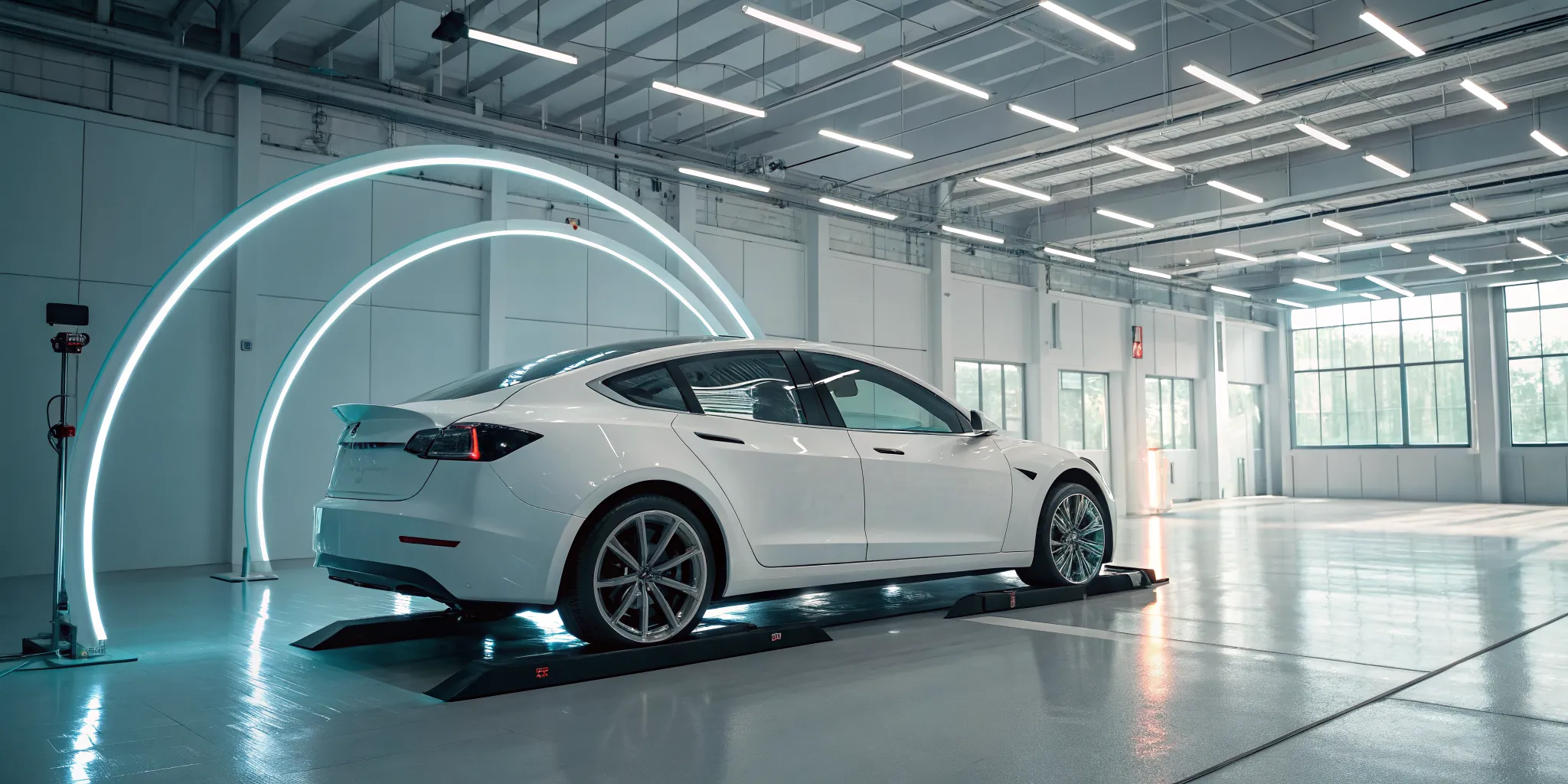
Driving in the Dallas-Fort Worth area means dealing with everything from summer heat to stop-and-go highway traffic. These conditions affect any car, including a high-performance vehicle like a Tesla. While you get to skip the engine-related worries of a gas car, staying on top of your EV's health is crucial for navigating our roads safely. A consistent tesla maintenance schedule ensures your tires can handle the instant torque, your brakes are ready for sudden stops, and your battery's cooling system is up to the challenge of a Texas summer. This guide breaks down the simple steps for keeping your Tesla in peak condition.
Key Takeaways
- Embrace a New Maintenance Mindset: Tesla ownership eliminates the need for oil changes and engine tune-ups. Your new checklist focuses on simpler tasks like regular tire rotations, biennial brake fluid checks, and replacing the cabin air filter every few years to keep your car in top shape.
- Know What to Handle and When to Call a Pro: You can easily manage basic tasks like replacing wiper blades and air filters yourself. For more complex jobs involving the brake system, wheel alignment, or any high-voltage components, always trust a qualified technician to ensure the work is done safely and correctly.
- Regular Upkeep Preserves Value and Performance: Sticking to a simple service schedule is the best way to protect your car's performance, safety, and resale value. This proactive approach helps you avoid expensive future repairs and ensures you continue to enjoy the smooth, reliable drive you expect from a Tesla.
What Is Tesla's Official Maintenance Schedule?
If you're used to the regular oil changes and engine tune-ups of a gas-powered car, the Tesla maintenance schedule will feel refreshingly simple. Because electric vehicles have far fewer moving parts, there’s a lot less that needs routine service. You can forget about oil changes, spark plug replacements, and exhaust system checks entirely. Instead, Tesla’s approach focuses on a handful of key items that keep your car running safely and efficiently.
The core of Tesla's maintenance philosophy is about checking and replacing components as needed, rather than sticking to a rigid, mileage-based schedule for everything. The main tasks involve caring for your tires, replacing air filters, and checking your brake fluid. It’s a shift in mindset from the constant upkeep a traditional engine requires. This simplified routine not only saves you time but also significantly reduces the long-term cost of ownership, making a pre-owned Tesla an even more attractive option.
How Tesla Maintenance Differs from Gas Cars
The biggest difference between maintaining a Tesla and a gas car is what you don't have to do. Traditional cars rely on an internal combustion engine to move, which involves hundreds of moving parts, lubricants, and filters that wear out over time. A Tesla's electric motor has only a few. This means you can cross oil changes, transmission fluid flushes, and fuel filter swaps off your to-do list for good. According to Tesla's own recommendations, the focus is on consumables and safety checks, which simplifies ownership and keeps your car out of the shop.
Tesla's Recommended Service Timeline
While Teslas don't need much, they aren't completely maintenance-free. Sticking to a simple schedule will keep your car in top shape. Here’s a straightforward timeline for the most important tasks:
- Tire Rotation: Every 6,250 miles. This is crucial for extending the life of your tires and ensuring even wear, especially with the instant torque from an electric motor.
- Brake Fluid Check: Every two years. Have a qualified technician test for contamination to ensure your braking system is responsive.
- Cabin Air Filter Replacement: Every two to three years, depending on your model. This keeps the air inside your car fresh and clean.
- Brake Caliper Cleaning and Lubrication: Every year or 12,500 miles, particularly if you live in a region where roads are salted in the winter.
Essential Tesla Maintenance Tasks
While Teslas have fewer moving parts than traditional cars, they still require regular attention to stay in peak condition. Think of it less like the constant upkeep of a gasoline engine and more like a simple, predictable checklist to ensure safety, performance, and longevity. These essential tasks are straightforward but crucial for protecting your investment. From the tires that meet the road to the air you breathe in the cabin, a little proactive care goes a long way. Sticking to a consistent schedule helps you catch small issues before they become big problems, ensuring your Tesla drives as smoothly as it did the day you got it.
Tire Rotation and Alignment
Your Tesla’s tires handle a lot of instant torque and the vehicle's substantial weight, so they need consistent care. Regular rotations are key to ensuring even tread wear, which extends the life of your tires and maintains optimal handling. According to Tesla's official recommendations, you should rotate your tires every 6,250 miles or sooner if you notice a significant difference in tread depth. It’s also a good idea to have the wheel alignment and balance checked annually or every 10,000 to 12,000 miles. This prevents uneven wear patterns and ensures a smooth, stable ride, which is especially important on Texas highways.
Brake System and Fluid Checks
One of the best features of a Tesla is regenerative braking, which uses the electric motor to slow the car down while recharging the battery. This process significantly reduces wear and tear on your brake pads. However, your brakes aren't completely off the hook. The brake fluid can still absorb moisture over time, reducing its effectiveness. Plan to have your brake fluid checked every four years and replaced if needed. While the pads last much longer than those on a gas car, they should still be inspected every 20,000 to 30,000 miles to ensure they are in good shape for those moments when you need them most.
Cabin Air Filter Replacement
The air quality inside your car is just as important as the air outside. The cabin air filter is responsible for trapping dust, pollen, and other pollutants before they enter the passenger compartment. Over time, this filter gets clogged and needs to be replaced to keep the air fresh and your HVAC system working efficiently. For the Model 3 and Model Y, Tesla suggests replacing the cabin air filter every two years. If you own a Model S or Model X, you can stretch that to every three years. It’s a simple maintenance item that makes every drive more comfortable and pleasant.
Battery Coolant System Maintenance
Your Tesla’s battery is its heart, and the coolant system is what keeps it healthy. This system regulates the battery's temperature, which is vital for both performance and longevity. While you should keep an eye out for any dashboard alerts related to the system, this is one area you shouldn't handle yourself. The coolant reservoir is a closed system, and Tesla advises against opening it. Instead, have the coolant levels and condition checked by a qualified technician during routine service visits. Addressing any coolant system warnings promptly is critical for protecting your battery's long-term health and avoiding expensive repairs down the road.
Tesla vs. Gas Cars: A Maintenance Comparison
If you’re used to the regular maintenance schedule of a gasoline-powered car, switching to a Tesla can feel like a completely different world. The fundamental design of an electric vehicle eliminates many of the routine service appointments you’ve come to expect. Because Teslas have far fewer moving parts than a traditional car with an internal combustion engine, there’s simply less that can wear out or break down over time. This shift not only saves you time but can also significantly reduce your long-term maintenance costs, making a pre-owned Tesla an even more attractive option.
Say Goodbye to Oil Changes
One of the biggest perks of owning a Tesla is crossing oil changes off your to-do list forever. Since Teslas run on an electric motor instead of an internal combustion engine, there’s no engine oil to change, no filters to replace, and no spark plugs to worry about. This is a core difference in electric vehicle maintenance. For gas cars, regular oil changes are non-negotiable to keep the engine lubricated and running smoothly. With a Tesla, the entire system that requires this messy, recurring service is gone. This means fewer trips to the shop and more money in your pocket over the life of the car.
How Regenerative Braking Saves Your Brakes
Teslas use a clever feature called regenerative braking to slow the car down. When you lift your foot off the accelerator, the electric motor essentially runs in reverse, which not only helps slow the vehicle but also sends a bit of energy back to the battery. A major side effect of this process is that you use your traditional brake pads far less often. While a gas-powered car might need new brake pads every 30,000 to 60,000 miles, Tesla brake pads can last for years. It is important, however, to use the physical brakes periodically to keep the calipers and rotors clean and free of rust.
Why Fewer Parts Mean Lower Costs
The simple truth is that fewer parts mean fewer problems. A gas car’s engine and drivetrain are incredibly complex, with hundreds of moving components like pistons, belts, valves, and gears that can fail. A Tesla’s powertrain is much simpler, consisting mainly of the battery and electric motors. You won’t have to worry about replacing a timing belt, fixing an exhaust leak, or dealing with a faulty fuel pump. This streamlined design is why Teslas need so little maintenance compared to their gas-powered counterparts. Over time, the savings from avoiding these common repairs can really add up.
Can You Handle Tesla Maintenance Yourself?
One of the great things about owning a Tesla is that you don't have to be a master mechanic to handle some of the basic upkeep. Taking on a few simple tasks yourself can be empowering and save you a trip to the service center. However, knowing your limits is just as important. Certain jobs require specialized tools and knowledge to ensure your car runs safely and efficiently. Let's walk through what you can confidently tackle in your garage and when it's time to hand the keys to a professional. This balance is key to keeping your Tesla in top condition without taking unnecessary risks.
DIY Tasks for Tesla Owners
You might be surprised by how many simple maintenance tasks you can handle on your own. Things like refilling your windshield washer fluid are straightforward, but you can also manage a few other items with minimal tools. For example, many owners can easily replace the cabin air filters, which helps keep the air inside your car fresh and clean. Swapping out old wiper blades for a new set is another quick fix you can do yourself. Taking care of these small jobs not only saves a little money but also helps you get more familiar with your vehicle.
When to Call a Professional
While DIY is great for the basics, some tasks are best left to the experts. Anything involving the brake system, wheel alignment, or air conditioning service requires professional attention. If you live in the Dallas-Fort Worth area, where we see all kinds of weather, you might need more frequent brake caliper cleaning or tire rotations. A certified technician has the right equipment to do the job correctly and can spot potential issues you might miss. It's always a good idea to have a professional service your Tesla regularly to keep it performing at its best and ensure your safety on the road.
High-Voltage Safety: What to Know
This is the most important rule of Tesla maintenance: for your safety, never attempt to service the high-voltage components yourself. This includes the battery, the drive unit, and anything connected to the high-voltage system, like the battery coolant. These parts carry a powerful electrical charge that can be extremely dangerous without proper training and safety equipment. Think of it like the electrical panel in your house; you wouldn't try to rewire it without being a certified electrician. Always trust a qualified technician to handle any work involving these critical systems.
Signs Your Tesla Needs Service
One of the best parts of owning a Tesla is the minimal maintenance. You can say goodbye to oil changes and engine tune-ups for good. But that doesn't mean you can ignore your car completely. Teslas are sophisticated machines, and just like any vehicle, they have ways of telling you when something needs attention. Learning to recognize these signs is key to keeping your car running smoothly and avoiding more significant, costly repairs down the line.
Think of it as learning your car’s language. Sometimes it speaks through a clear message on the touchscreen, and other times it’s a subtle new noise or a change in how it drives. Paying attention to these cues ensures you can address small issues before they become big problems. From dashboard alerts to changes in battery behavior, your Tesla provides plenty of feedback. The following are the most common signals that it’s time to schedule a service appointment. Staying proactive not only protects your car's performance and safety but also helps preserve its resale value for years to come. It's about shifting from a mindset of routine, scheduled maintenance (like a 3,000-mile oil change) to one of responsive, condition-based care. Your Tesla will tell you what it needs, when it needs it. You just have to listen.
Dashboard Warning Lights
Your Tesla’s large touchscreen is its central nervous system, and the warning lights that appear on it are direct messages about your car's health. While it’s easy to dismiss a notification, these alerts are your first line of defense. They can range from simple reminders, like low tire pressure (TPMS) or depleted washer fluid, to more critical warnings about the powertrain or battery system. Don’t ignore these icons. Your owner’s manual is a great starting point for identifying what each symbol means. For anything that seems serious or doesn't resolve quickly, it's best to have a professional technician diagnose the issue. Catching a problem early is always the smartest, and usually cheapest, option.
Unusual Noises or Performance Drops
You know how your car feels and sounds on a daily drive, so when something changes, take note. New or unusual noises are often the first sign of a mechanical issue. For example, Tesla brake pads are designed with wear indicators that make a loud squealing sound when it’s time for a replacement. Other sounds, like clunking over bumps, humming that changes with speed, or grinding when turning, could point to suspension or wheel bearing problems. Beyond sounds, pay attention to how your Tesla performs. Does it feel less responsive? Is it pulling to one side? These changes could indicate a need for a tire rotation and alignment, which are simple but crucial for tire life and vehicle safety.
Battery Performance Issues
Your Tesla’s battery is its heart, and its performance is a key indicator of the car’s overall health. While some gradual decrease in range over many years is normal, a sudden and significant drop is a red flag. If you notice your car isn't holding a charge as well as it used to or the estimated range seems way off, it’s worth investigating. Also, monitor its charging behavior. Is it charging slower than usual, or does it stop charging before it’s full? These could be signs of an issue with the battery itself, the onboard charger, or the charging equipment you're using. Keeping an eye on your battery’s health and addressing inconsistencies quickly will ensure your Tesla remains reliable for every trip.
Common Tesla Maintenance Mistakes to Avoid
One of the biggest perks of driving a Tesla is leaving behind the constant upkeep of a gas-powered car. But while you can say goodbye to oil changes, "low maintenance" doesn't mean "no maintenance." Staying on top of a few key areas will ensure your Tesla performs its best, stays safe on the road, and holds its value for years to come. It's easy to get comfortable and forget the basics, but falling behind on simple tasks can lead to bigger, more expensive problems down the line.
The good news is that avoiding these common missteps is simple. You don't need to be a master mechanic; you just need to be aware of what your car needs. By building a few habits into your ownership routine, you can protect your investment and enjoy that smooth, quiet ride without any unexpected bumps. Think of it as proactive care that keeps your Tesla running like new. Let's walk through a few of the most frequently overlooked maintenance items so you know exactly what to watch for and how to stay ahead of any potential issues. This will help you feel more confident as an owner and keep your car in peak condition for all your drives around Dallas-Fort Worth.
Forgetting Brake Inspections
Your Tesla’s regenerative braking system does most of the work, which is great for extending the life of your brake pads. However, your traditional brakes are still a critical safety feature that needs attention. Over time, brake fluid can get contaminated, and calipers can seize up from lack of use. Your car is equipped with wear indicators that will make a loud squealing noise when the pads are low. When you hear that sound, it’s time to schedule a brake service. A quick annual inspection can catch any issues before they become serious, ensuring your brakes are ready when you need them most.
Skipping Tire Rotations
The heavy battery pack and instant torque that make your Tesla so fun to drive also put unique stress on your tires. This can lead to faster and more uneven wear compared to a gas car. Sticking to a regular rotation schedule, typically every 10,000 to 12,000 miles, is essential. A proper tire rotation helps your tires wear evenly, extending their lifespan and saving you money. It also ensures your car maintains optimal handling and traction, which is especially important for performance and safety on Dallas-Fort Worth roads.
Ignoring Software Updates
It’s easy to dismiss a software update notification when you’re in a hurry, but these updates are a core part of your Tesla’s maintenance. They do more than just add new games or streaming services. Tesla frequently releases updates that improve your car’s performance, efficiency, and safety features. Your car constantly runs self-diagnostics, and these over-the-air software updates can fix bugs and enhance vehicle functions without a trip to the service center. Installing them promptly is one of the easiest and most important things you can do to keep your car in top shape.
How to Track Your Tesla's Maintenance
Keeping up with car maintenance can feel like one more thing to add to your to-do list, but Tesla makes it surprisingly simple to stay on top of your vehicle’s needs. Instead of relying on old-school sticker reminders on your windshield, you have a few digital tools at your fingertips. Whether you prefer a hands-off approach or love digging into the details, there’s a method that works for you. By using the official app, your car’s touchscreen, or even some third-party tools, you can easily monitor your service schedule and ensure your Tesla stays in peak condition for all your Dallas-Fort Worth drives.
Using the Tesla App
The most convenient way to check on your car’s health is through the Tesla mobile app. It’s your command center for almost everything, including service. You can quickly see what maintenance items are coming up by navigating to the Service section. Just tap Service > Request Service > Others > Maintenance to view recommendations tailored specifically for your vehicle. This feature takes the guesswork out of maintenance, letting you know exactly what your car needs and when. It’s a simple way to stay informed and proactive about your Tesla’s upkeep without having to remember every single service interval yourself.
Setting Personal Reminders
Beyond the app, your Tesla’s touchscreen provides a built-in Maintenance Summary that logs when key services were last performed. This is a great feature for getting a quick overview of your car’s history. The summary not only shows you what’s been done but also recommends when future maintenance should be performed based on time and mileage. By checking this screen periodically, you can easily set personal reminders in your phone’s calendar for upcoming tasks like tire rotations or brake fluid checks. This hands-on approach ensures you never miss an important service milestone, keeping your Tesla running smoothly and safely.
Exploring Third-Party Options
If you’re someone who loves detailed records, you might want to explore third-party applications. Some dedicated owners use these apps to log every detail about their maintenance activities, including exact dates, costs, and specific services performed. For those who want to go beyond the basics, these tools can be a great way to build a comprehensive service log. On a related note, Tesla itself is always improving its systems. Recent software updates have introduced features that create a clearer, more detailed record of past repairs, making it easier for both owners and technicians to track the vehicle's service history.
Why Regular Tesla Maintenance Matters
It’s easy to hear "electric car" and think "zero maintenance," but that’s not quite the full story. While you can say goodbye to oil changes and engine tune-ups, your Tesla is still a high-performance vehicle that needs regular care to run its best. Sticking to a service schedule isn't just about checking boxes; it’s about protecting your investment, keeping you safe on the road, and ensuring you continue to enjoy that smooth, powerful driving experience you love. Consistent care is the smartest way to get the most out of your vehicle for years to come.
Protect Performance and Safety
You chose a Tesla for its incredible performance and advanced safety features, and regular maintenance is what keeps those systems working flawlessly. Simple checks on your tires, brakes, and suspension do more than just prevent wear and tear. They ensure your car handles precisely, accelerates smoothly, and stops reliably when you need it to. Following a consistent service schedule helps your Tesla perform its best and keeps you safe on Dallas-Fort Worth roads. Think of it as a routine check-up to catch small issues before they can become significant problems.
Preserve Your Car's Resale Value
Your Tesla is a significant investment, and proper care helps it hold its value over time. When the day comes to sell or trade in your vehicle, a complete and documented service history is one of your biggest assets. Potential buyers want proof that the car has been well-maintained, especially since neglect on a high-tech vehicle can be hard to spot at first glance. By keeping up with routine inspections and services, you’re not just maintaining your car; you’re building a record of responsible ownership that translates directly to a better resale value.
Avoid Costly Future Repairs
The old saying "an ounce of prevention is worth a pound of cure" is especially true for vehicle maintenance. Spending a little time and money on routine tasks like tire rotations and brake fluid checks can save you from major headaches and expensive repairs later on. Even though Teslas have fewer moving parts than gas cars, the components they do have are critical. Following the recommended maintenance plan is the best way to ensure everything runs efficiently, extending the life of your vehicle and preventing the kind of surprise repair bills no one wants to see.
Finding Quality Tesla Service in Dallas-Fort Worth
When your Tesla needs a check-up, you want to know it’s in capable hands. For drivers in the Dallas-Fort Worth area, finding the right service provider is key to keeping your car running smoothly. Your two main options are an official Tesla Service Center or a trusted independent auto shop. Each has its own advantages, and the best choice often comes down to your specific needs and preferences.
The most important thing is to find a technician you trust. A great service experience gives you peace of mind and ensures your Tesla gets the expert care it deserves. Whether you choose the official route or a local specialist, doing a little research upfront will help you find the perfect fit for you and your car.
Tesla Service Center vs. Independent Shop
Deciding where to take your Tesla for service involves weighing the benefits of a dealership against an independent shop. Tesla Service Centers are the manufacturer's official repair facilities, so you know they have direct access to proprietary tools and information. However, a reputable independent shop that specializes in electric vehicles can offer a more personalized experience. These local shops often source high-quality parts from original equipment manufacturers but may charge lower labor rates, which can help reduce your overall maintenance costs. For many Tesla owners, an independent shop provides a compelling blend of expertise and value.
What to Look for in a Tesla Technician
When you’re looking for a mechanic, prioritize experience with electric vehicles, especially Teslas. A technician who understands the unique systems of a Tesla will be better equipped to diagnose and fix any issues correctly the first time. Don't just take a shop's word for it; look for social proof. Check online reviews and ask for recommendations from other Tesla owners in the area. Engaging with local Tesla communities online is a great way to get honest feedback and find out which independent technicians are trusted by drivers right here in the DFW metroplex.
Related Articles
Frequently Asked Questions
So, with no oil changes, what's the most important maintenance task for a Tesla? While it's great to forget about oil changes, the single most important task to stay on top of is tire rotation. A Tesla's heavy battery and instant torque put a lot of stress on the tires, causing them to wear differently than on a gas car. Regular rotations, about every 6,250 miles, ensure the tread wears down evenly. This not only helps your tires last longer but also maintains the car's handling and safety.
How does regenerative braking affect my regular brakes? Regenerative braking is a fantastic feature that uses the electric motor to slow the car, which means your brake pads get used far less often and can last for years. However, this doesn't mean you can ignore them completely. Because the physical brakes are used less, the calipers can sometimes stick from inactivity. It's important to have the entire brake system, including the fluid and calipers, inspected annually to make sure everything is clean, lubricated, and ready to work when you need it most.
Will my Tesla tell me when it needs service, or do I have to remember everything? Your Tesla does a great job of helping you stay on track. The car will display alerts on the touchscreen for immediate issues, like low tire pressure or problems with the powertrain. For routine items, you can use the Tesla app or the car's service menu to see maintenance recommendations based on your vehicle's age and mileage. This system makes it much easier to care for your car proactively instead of just reacting to problems.
Is it really cheaper to maintain a Tesla than a gas car? Yes, over the long term, the savings are significant. Think about all the services a gas car needs that a Tesla doesn't: oil changes, spark plug replacements, fuel filter swaps, and timing belt services. Eliminating these recurring costs adds up to hundreds, sometimes thousands, of dollars saved over several years. While you still have expenses like tires and brake fluid checks, the overall cost of ownership is typically much lower.
Can I bring my Tesla to an independent shop, or do I have to go to a Tesla Service Center? You absolutely have options. While a Tesla Service Center is the official choice, a reputable independent auto shop with certified experience in electric vehicles can be a fantastic alternative. These shops often provide high-quality, personalized service and can be more convenient. The key is to find a technician who truly understands the specific systems of a Tesla, ensuring your car gets the expert care it needs.