
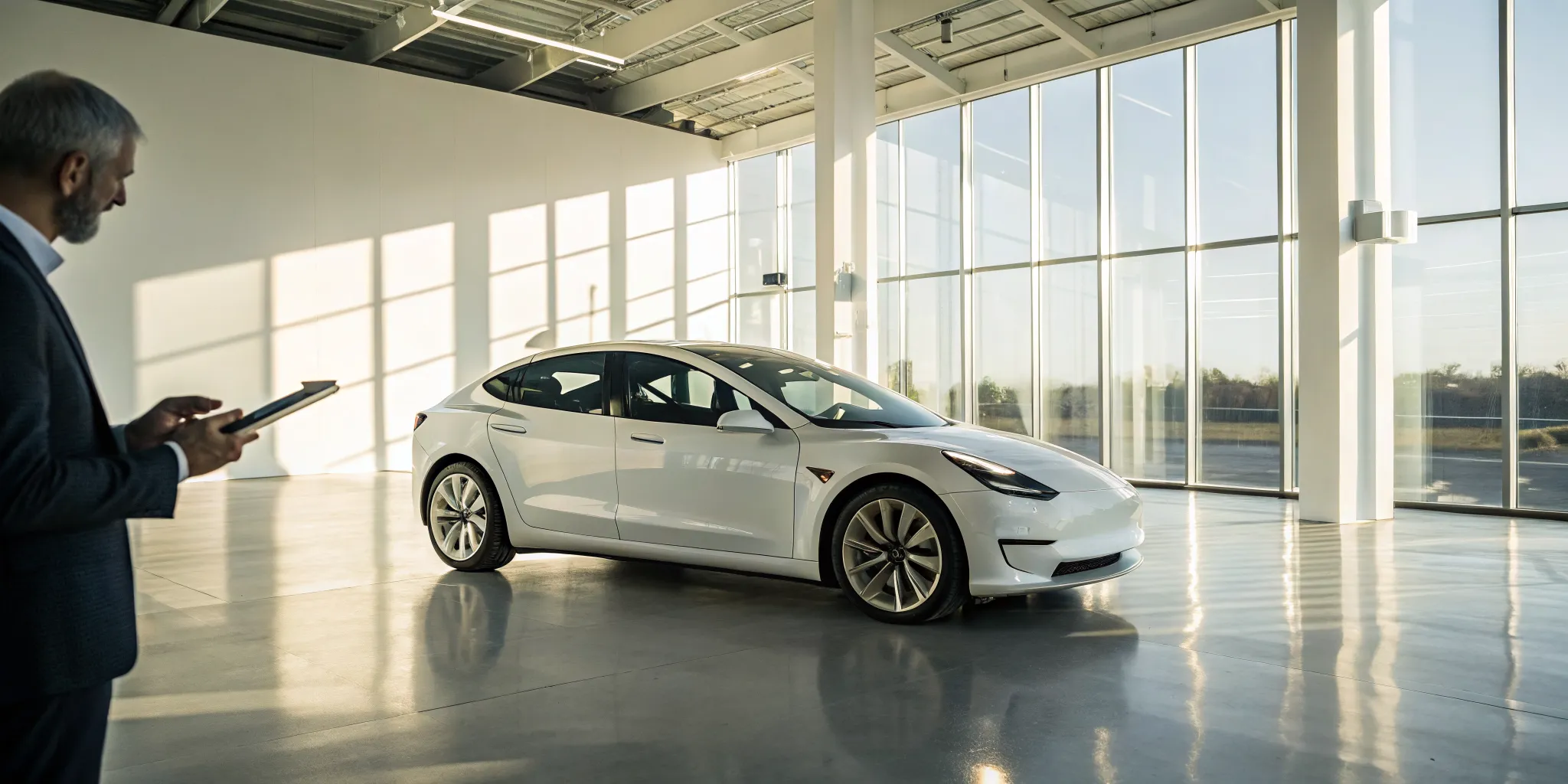
What if your car could get better while it was parked in your garage? That’s the reality of owning a Tesla. Through over-the-air software updates, these cars receive new features and performance improvements long after they leave the factory. This is a game-changer, especially for the pre-owned market. When you buy used tesla model 3, you aren’t just getting a vehicle that’s a few years old; you’re getting a piece of evolving technology without the brand-new price tag. This guide will show you how to find a great model with the features you want, ensuring you get a car that feels fresh and modern for years to come.
Key Takeaways
- Enjoy premium features without the premium price: A used Tesla Model 3 is a smart way to own a high-tech EV, often for less than the average used car, while benefiting from software updates that keep it feeling modern.
- Focus your inspection on what matters most: Beyond the basics, your main priorities should be checking the battery's health and current range, verifying which Autopilot software is installed, and getting a professional pre-purchase inspection.
- Target the right model year for the features you want: Tesla makes frequent updates, so knowing the key changes, like the addition of the heat pump in late 2020, helps you find a car with the specific technology and efficiency you value most.
Why Choose a Used Tesla Model 3?
Deciding on a used Tesla Model 3 is about more than just getting a great car; it’s about making a smart investment in technology, performance, and style without the new-car price tag. For drivers in the DFW area, a pre-owned Model 3 offers a unique combination of cutting-edge features and practical savings. You get to join the electric revolution and enjoy a premium driving experience, all while keeping your budget in check. Let’s break down the key reasons why a used Model 3 might be the perfect fit for you.
Enjoy Significant Savings
The most compelling reason to buy a used Model 3 is the price. A few years ago, owning a Tesla felt out of reach for many, but that’s changed. A pre-owned Model 3 can now cost less than the average used car in the U.S., which is an incredible value proposition. You’re not just saving on the initial purchase, either. The savings continue with lower running costs thanks to no gas station visits and minimal maintenance. You get all the benefits, like access to Tesla’s Supercharger network and a fun, responsive drive, for a fraction of the original cost.
Get High-Tech Features for Less
Buying a used Tesla doesn’t mean you’re stuck with outdated technology. One of the best things about these cars is that they get better over time through over-the-air software updates. Tesla regularly sends updates that can add new features, improve performance, and refine the user interface, all while your car is parked in your garage. This means a three-year-old Model 3 can have features that didn’t even exist when it was first built. It’s a fantastic way to get a car that feels fresh and modern without paying for a brand-new model.
Skip the Steepest Depreciation
Let’s be honest, new cars lose value the second you drive them off the lot, and tech-forward cars can sometimes depreciate even faster. Teslas are no exception, often losing a significant chunk of their value in the first few years. By choosing a used Model 3, you let the original owner absorb that initial hit. You get a vehicle that has already gone through its steepest depreciation curve, meaning it will hold its value better during the time you own it. It’s a financially savvy move that gets you into a premium EV.
Pay Less for Insurance
While insuring an electric vehicle can sometimes be a bit different, the lower purchase price of a used Model 3 can work in your favor. Insurance premiums are heavily based on the car's value, so a lower price tag often translates to more affordable premiums compared to insuring a brand-new model. As always, it’s a great idea to get quotes from a few different providers before you buy, but you’ll likely find that the savings on a used model extend to your insurance coverage as well.
What to Look for in a Used Model 3
Shopping for a used Tesla Model 3 is a little different from buying a traditional gas-powered car. While you still need to check the basics like tires and paint, the most important components are the battery and the software. Getting familiar with these key areas will help you find a great Model 3 that you’ll love driving for years to come. Think of it as a modern-day inspection where you’re checking both the hardware and the operating system. By focusing on the right details, you can confidently choose a pre-owned Tesla that fits your needs and budget.
Check the Battery Health and Range
The battery is the heart of any electric vehicle, so its health is your top priority. A new Model 3 has a specific EPA-estimated range, but all batteries experience some natural degradation over time. You can easily check a car’s current range by looking at the battery display on the main touchscreen. When fully charged, it will show you its estimated maximum mileage. Don’t be alarmed if it’s slightly lower than the original advertised range. What’s important is that it has enough range for your daily driving needs. Also, be sure to ask about the battery warranty. Tesla provides an 8-year/100,000-120,000 mile warranty (depending on the model) on the battery and drive unit, so many used models still have coverage.
Verify Autopilot and FSD Capabilities
Tesla’s driver-assistance features are a huge draw for many buyers, but not all Model 3s are equipped the same. The car will have at least standard Autopilot, which includes traffic-aware cruise control and autosteer. Some cars may have the upgraded Enhanced Autopilot (EAP) or the premium Full Self-Driving (FSD) package. These are software unlocks, and they add significant value and functionality. You can verify which package is installed by navigating to the "Software" tab on the car's touchscreen. It will clearly list which features are included. Make sure the car you’re considering has the Autopilot features you want, as adding them later can be expensive.
Confirm the Software Version
One of the best things about owning a Tesla is that it gets better over time through free over-the-air software updates. These updates can add new features, improve performance, and refine the user interface. When you’re inspecting a used Model 3, take a moment to check its current software version, which is also found in the "Software" section on the touchscreen. While you can always update it yourself later, seeing a relatively recent version is a good sign that the car has been regularly connected to Wi-Fi. This ensures all systems are running smoothly and you’ll have access to the latest improvements as soon as you take it home.
Review the Vehicle History Report
Just like with any pre-owned vehicle, pulling a vehicle history report is a non-negotiable step. A report from a service like CARFAX will give you a detailed history of the car, including any reported accidents, title issues, and service records. This is especially important for an EV, as you’ll want to know if there has been any structural damage that could potentially impact the battery pack or high-voltage systems. Reviewing the report helps you verify the car’s history and gives you peace of mind, ensuring there are no hidden surprises waiting for you down the road.
Inspect the Car Inside and Out
Finally, it’s time for a thorough walk-around and test drive. Check the exterior for common Tesla quirks like panel gap consistency, and look for any scratches or dings. Inside, test everything that’s controlled by the large touchscreen, from the windshield wipers and climate control to the glove box release. Pay attention to the condition of the seats and interior trim. During the test drive, listen for any unusual noises and feel how the car accelerates and brakes. Make sure you’re comfortable with the regenerative braking and the overall driving dynamics. This hands-on inspection is your chance to make sure everything works as it should.
A Guide to Model 3 Trims and Years
Choosing the right used Tesla Model 3 comes down to understanding how the car has evolved. Tesla is known for making rolling updates rather than sticking to strict model years, so knowing the key changes can help you find the perfect fit for your driving needs and budget.
Standard Range vs. Long Range vs. Performance
The Model 3 has generally been offered in three main flavors. The Standard Range (later renamed Rear-Wheel Drive) is the entry-level model, offering the lowest range but still plenty of punch for daily driving around Dallas. The Long Range version adds a bigger battery for more miles between charges and includes a dual-motor, all-wheel-drive setup for better traction. Topping the lineup is the Performance model, which delivers supercar-level acceleration and track-ready features. A second-hand Model 3 is a fantastic value, often costing less than the average used car while still giving you low running costs and access to Tesla’s convenient Supercharger network.
Key Updates by Model Year
Tesla constantly refines its vehicles, but a few key production dates mark significant upgrades. Models made from late 2020 onward (often sold as 2021 models) received a major refresh. This update included a new center console with wireless charging, a powered trunk, and the highly anticipated heat pump for better efficiency. The most recent major change is the 2024 "Highland" refresh, which brought a redesigned exterior and interior. This makes the 2021-2023 models a sweet spot on the used market, offering many modern features without the brand-new price tag. Understanding these key model year changes helps you target the features you want most.
Efficiency Upgrades like the Heat Pump
One of the most important updates to look for is the heat pump, which was introduced in late 2020. This system is a much more efficient way to heat the cabin compared to the resistive heater used in earlier models. Why does this matter? A heat pump uses less energy from the battery to keep you warm, which helps preserve your driving range in colder temperatures. While DFW winters aren't extreme, this feature makes a noticeable difference during a cold snap, ensuring you get more of your car's advertised range. Vehicles built with a heat pump are a smart choice for year-round efficiency.
Differences in Interior Tech and Features
The Model 3’s cabin has also seen some great improvements over the years. While early models were known for their stark minimalism, newer versions feature higher-quality materials and a more refined feel. For example, the 2024 "Highland" refresh introduced a new wraparound dashboard with integrated ambient lighting that gives the interior a premium vibe. This latest version also adds a touchscreen for rear-seat passengers to control their own climate and entertainment. It’s also worth noting that the newest models removed the traditional control stalks for turn signals and wipers, moving those functions to the steering wheel and touchscreen. This is a big change to the driving experience, so it’s something to consider when choosing a model year.
How Much Should You Expect to Pay?
Figuring out the right price for a used Tesla Model 3 can feel like hitting a moving target, but it doesn't have to be complicated. The good news is that prices have become much more accessible. In fact, recent trends show that the average price for a used Tesla has dipped below that of the average used car, making this an ideal time to buy.
Several key factors influence the final price tag, including the car's year, trim level, mileage, battery health, and even your location. A 2019 Long Range model with Full Self-Driving will naturally cost more than a 2021 Standard Range with basic Autopilot. By understanding what drives the price, you can set a realistic budget and feel confident you’re getting a fair deal. Let’s break down what you should expect to pay and how to find a Model 3 that fits your finances perfectly.
Research Current Market Prices
Before you even think about a test drive, do a little homework on current market prices. A used Model 3 can often cost less than the average used car in the U.S., which is fantastic news for your wallet. Start by browsing online listings on dealership websites and major car marketplaces. This will give you a real-time snapshot of what sellers in the Dallas-Fort Worth area are asking for different trims and model years. You can also use tools like Kelley Blue Book to get a baseline value. This initial research helps you spot a great deal when you see one and gives you the confidence to negotiate.
How Mileage Affects Value
With a Tesla, mileage impacts more than just the wear and tear on the tires; it’s also linked to battery health. While battery degradation is a valid concern, it’s often less dramatic than people think. It’s reasonable to expect a Model 3 to lose around 1% to 2% of its usable battery capacity each year. So, a car with 50,000 miles will likely have a slightly shorter range than a brand-new one, but it will still be more than enough for daily driving around Plano or Frisco. A lower-mileage car will command a higher price, but a well-maintained, higher-mileage Model 3 can be an excellent value.
Why Your Location Matters
Where you buy your car can make a difference in how much you pay. Vehicle prices often fluctuate based on local supply and demand. In a tech-forward area like the DFW metroplex, the demand for EVs is strong, but so is the supply of quality pre-owned models. This creates a competitive market that benefits you, the buyer. Shopping at a local dealership like Auto Web Expo means you’re working with experts who understand the regional market and price their vehicles competitively. They’ve already done the work of sourcing great cars for the DFW community, saving you time and hassle.
Compare Used vs. New Pricing
Buying a used Tesla is a smart way to get the car you want while making a decision that fits your budget. A brand-new Model 3 is a significant investment, and like any new car, it depreciates the moment you drive it off the lot. By choosing a model that’s a few years old, you let the original owner absorb that initial depreciation. This often means you can afford a higher-tier trim, like the Long Range or Performance model, for a similar price as a new base model. You can check Tesla’s website to see new prices and compare them directly with the used options you’re considering.
Common Myths About Used Teslas
Let's clear the air about some of the stories you might have heard about buying a used Tesla. It's easy to get caught up in misconceptions, especially when it comes to electric vehicles. These cars are still relatively new to the mainstream market, and a lot of outdated or incorrect information is floating around.
Thinking about a pre-owned Model 3 is a smart move, but you want to go into it with confidence. Understanding the reality behind these common myths will help you see the true value and potential of owning a used Tesla. From battery life to charging logistics, we'll walk through the four biggest myths so you can separate fact from fiction and make a decision that feels right for you.
Myth: The Battery Won't Last
One of the biggest worries I hear from people is about the battery. The fear is that an EV battery will wear out quickly, leaving you with a massive replacement bill. The truth is, Tesla batteries are engineered for the long haul, designed to last for hundreds of thousands of miles. While all batteries experience some degradation over time, it's usually a slow and gradual process. A well-maintained Model 3 will retain a high percentage of its original capacity for many years, and the horror stories about sudden, expensive replacements are far from the norm.
Myth: Charging Is a Hassle
If you're picturing yourself stranded on the side of the road, don't worry. The idea that charging is a major inconvenience is largely a myth. Most owners do the majority of their charging at home overnight, just like a cell phone. For road trips or quick top-ups around Dallas, you get access to Tesla’s extensive Supercharger network. This network is reliable, fast, and strategically placed, making long-distance travel simple. A pre-owned Model 3 offers the same convenient access, so you can easily plan your routes without any charging anxiety.
Myth: Repairs Are Unaffordable
The thought of specialty repairs can be intimidating, but it shouldn't stop you from considering a used Model 3. While Teslas do have unique components, routine maintenance is minimal since there are no oil changes or engine tune-ups. For other repairs, the key is to buy from a reputable source that provides a thorough vehicle history and inspection report. This transparency helps you understand the car's condition upfront and avoid unexpected issues. Working with a trusted dealership also gives you a reliable point of contact for any service needs that may arise down the road.
Myth: There's No Warranty Left
Many people assume that buying used means you're on your own without a warranty. That's not always the case. Depending on the age and mileage, a used Model 3 may still be covered under Tesla's original factory warranty, which includes an 8-year/100,000+ mile warranty on the battery and drive unit. It’s always important to verify the specific warranty status of the vehicle you're interested in. Some dealerships may also offer extended service contracts, giving you extra peace of mind for your purchase.
What Are the Potential Downsides?
As much as I love the Tesla Model 3, it’s smart to go into your search with a full picture. Like any pre-owned car, a used Model 3 has a few potential drawbacks to consider. Being aware of these points ahead of time helps you ask the right questions and choose a car that you’ll be happy with for years to come. From battery health to software updates, here’s what you should keep on your radar.
Natural Battery Capacity Loss
Every electric vehicle battery experiences a gradual decline in capacity over time, and the Model 3 is no exception. You can generally expect a used Tesla to lose about 1-2% of its usable battery capacity each year. This means a car that’s a few years old won’t have the exact same range as it did when it first left the factory. While this loss is usually minor, it’s a key reason why you should always check the battery health report of any used EV you’re considering.
Out-of-Warranty Repair Costs
One of the biggest questions I get is about repair costs. New Teslas come with comprehensive coverage, but an older, higher-mileage Model 3 might be out of its original factory warranty. If that’s the case, you’ll be responsible for covering any repairs yourself, which can add up. This makes it even more important to buy from a trusted source that thoroughly inspects their vehicles. A pre-purchase inspection can give you peace of mind and help you avoid unexpected expenses down the road.
Finding a Reputable Service Center
You can’t take a Tesla to just any corner mechanic for service. These are highly specialized vehicles that require technicians with the right training and tools. While Tesla has its own service centers, finding a reputable service center you trust is key for routine maintenance and any repairs that might pop up. Here in the DFW area, we have some great options, so be sure to ask about service recommendations before you buy. This ensures you have a solid plan for keeping your Model 3 in top shape.
Possible Software Limitations
Tesla’s frequent over-the-air software updates are a major selling point, constantly adding new features and improving the car’s performance. However, it’s good to know that older models may not be compatible with every single new update that rolls out. While the car will still receive critical safety and functionality updates, it might miss out on some of the newer infotainment or performance features. When comparing different model years, it’s worth checking which software features are supported.
Where to Find a Quality Used Tesla Model 3
Finding the right used Tesla Model 3 is all about knowing where to look. Your options range from specialized dealerships to online marketplaces, and each has its own set of pros and cons. Let’s walk through the best places to find your next car and what to expect from each.
Explore Auto Web Expo's Inventory
When you’re looking for a used Tesla Model 3 in the Dallas-Fort Worth area, your best first stop is right here. At Auto Web Expo, we specialize in high-quality, pre-owned luxury vehicles, and our Tesla selection is carefully curated. Buying a used Tesla is a smart way to get the car you want while making a decision that fits your budget. Best of all, Tesla sends over-the-air software updates that can add new features and improve performance, so your car actually gets better over time. You can browse our inventory online and see the cars in person, which is a huge advantage.
Dealerships vs. Manufacturer CPO Programs
You have a few options when shopping, including dealerships and Tesla’s own Certified Pre-Owned (CPO) program. While Tesla’s program offers certain guarantees, it’s an entirely online process, and you won’t see the car until it’s delivered. Reputable dealerships provide a hands-on experience. You can test drive the exact car you’re considering and have our team answer your questions. A second-hand Model 3 now often costs less than the average used car in the U.S., yet still delivers low running costs. We also offer competitive financing options that can be more flexible than what the manufacturer provides.
Reputable Dealers vs. Private Sellers
The choice between a dealer and a private seller often comes down to peace of mind. When you buy from a dealership, you’re getting a vehicle that has been inspected, serviced, and professionally detailed. We stand behind the cars we sell and handle all the complex paperwork for you. A private seller on a platform like Facebook Marketplace might offer a lower asking price, but the sale is usually “as-is.” You’ll be responsible for arranging an inspection, verifying the vehicle’s history, and managing the title transfer yourself. For many buyers, the security and convenience of a dealership are well worth it.
Tips for Using Online Marketplaces
If you decide to explore online marketplaces, go in with a plan. Always meet the seller in a safe, public location. Before making an offer, schedule a pre-purchase inspection with a mechanic experienced with EVs. During your own initial look, check everything thoroughly. Make sure the windshield wipers work and look for alignment issues on the hood. Test the AC and heat at full power to listen for strange noises. A detailed used car checklist can help you remember what to look for and avoid costly surprises down the road.
How to Get the Best Deal
Finding the right used Tesla Model 3 is exciting, but securing a great price is what makes the purchase truly satisfying. Getting the best deal isn't about luck; it's about being prepared. With a little research and a clear strategy, you can drive away confident that you paid a fair price for a fantastic car. Here are the key steps to follow to make sure you get the most value for your money.
Research Fair Market Value
Knowing what a car is worth is your most powerful tool. Before you even step into a dealership, spend some time researching the fair market value for the specific Model 3 year and trim you're interested in. A second-hand Model 3 can be an incredible deal, often costing less than the average used car while still offering low running costs and modern tech. Use online pricing guides and browse local listings in the DFW area to see what similar cars are selling for. Remember to account for mileage, condition, battery health, and any included software upgrades like Full Self-Driving, as these factors heavily influence the final price.
Negotiate Your EV Purchase
While Tesla sells its new cars at a fixed price, the used market is a different story. You absolutely have room to negotiate, especially when buying from an independent dealership. Unlike Tesla's direct sales model, third-party sellers are often more open to discussing the price. Use the market value research you did as your starting point. If your pre-purchase inspection uncovered any minor issues, you can use those as leverage. The key is to be polite, confident, and realistic. A good dealership wants to make a fair deal that works for everyone, so don't be shy about starting the conversation.
Explore Your Financing Options
Don't wait until you're signing the papers to think about financing. Getting your finances in order ahead of time gives you more control. A great first step is to get pre-approved for a loan from your bank or a local credit union. This gives you a baseline interest rate to compare against other offers. Dealerships, including our team at Auto Web Expo, have relationships with multiple lenders and can often find you a very competitive rate. Also, be sure to look into any available clean vehicle tax credits or local incentives for used EVs, as these can save you thousands on your purchase.
Know When to Walk Away
This might be the hardest but most important tip: be prepared to walk away. It's easy to get emotionally attached to a car, but making a hasty decision can lead to buyer's remorse or costly mistakes. If the seller isn't willing to negotiate to a price that feels fair, if the inspection reveals a major red flag, or if something just doesn't feel right, trust your gut. There are plenty of great used Tesla Model 3s available in the Dallas-Fort Worth area. Walking away from a bad deal just means you're one step closer to finding the right one.
Your Final Pre-Purchase Checklist
You’ve done the research, picked a trim, and found a Model 3 that feels right. Before you sign on the dotted line, there are a few final steps to take. This last checklist is your safety net, ensuring your excitement isn’t clouded by any post-purchase surprises. It’s all about due diligence. Taking the time to get a professional inspection, sort out the paperwork, plan for charging, and understand the warranty will give you total confidence in your new ride.
Think of it as the final walkthrough before you get the keys. These steps protect your investment and set you up for a smooth transition into EV ownership. A used Tesla Model 3 is a fantastic vehicle, offering cutting-edge tech and low running costs. By covering these last few bases, you can make sure you enjoy all the benefits without any of the potential headaches. Let’s walk through the final four items to tick off your list.
Get a Pre-Purchase Inspection
This is a non-negotiable step. Even if the car looks perfect, a professional pre-purchase inspection (PPI) from a mechanic experienced with EVs is essential. They can assess the health of the high-voltage battery, check for suspension issues, and spot potential problems with the electronics that you might miss. They’ll also test core functions like the AC and heating to make sure they run at full power without any odd noises. While a Model 3 has fewer mechanical parts than a traditional car, this inspection provides invaluable peace of mind and can save you from costly future repairs.
Handle the Paperwork and Title
Now for the administrative details. Carefully review the vehicle’s title and all associated paperwork. You want to see a "clean" title, which means the car has never been declared a total loss (salvage title) and has no outstanding liens from a previous loan. Double-check that the Vehicle Identification Number (VIN) on the car’s dashboard and door jamb sticker matches the VIN on the title and your bill of sale. Getting the title transfer process right is crucial for establishing legal ownership, so don’t rush through this step.
Plan Your Home Charging Setup
One of the best parts of owning an EV is waking up to a full "tank" every morning. To make that happen, you’ll need a solid home charging plan. While you can use a standard 120-volt wall outlet, it’s very slow. Most owners opt for a Level 2 setup, which requires a 240-volt outlet, similar to what an electric dryer uses. We recommend contacting a qualified electrician before you bring your Model 3 home to get a quote and schedule the installation. Having your home charging station ready to go will make your first week of ownership seamless and enjoyable.
Clarify Warranty and Service Details
Understanding what’s covered is key. A used Model 3 may still be under Tesla’s original warranty. There are two main parts: the Basic Vehicle Limited Warranty (typically 4 years or 50,000 miles) and the Battery and Drive Unit Limited Warranty (8 years or 100,000-120,000 miles, depending on the trim). Ask for documentation confirming the vehicle’s original purchase date to see how much coverage is left. You can also check the status on the car’s touchscreen or through a Tesla account. Confirming these warranty details ensures you know exactly what to expect for future service needs.
Related Articles
Frequently Asked Questions
What exactly is covered under Tesla's battery warranty on a used Model 3? Tesla's warranty for the battery and drive unit is quite generous, typically lasting for 8 years or 100,000 to 120,000 miles, whichever comes first. This coverage protects against total failure and also guarantees the battery will maintain a minimum of 70% of its original capacity during the warranty period. When you're looking at a used model, you can easily verify how much time and mileage are left on this specific warranty, which gives you great protection for the car's most important components.
Can I add features like Enhanced Autopilot or Full Self-Driving later? Yes, you can purchase these software upgrades from Tesla at any time after you buy the car. However, it's often more cost-effective to find a used Model 3 that already has the features you want installed. The price of adding Full Self-Driving (FSD) after the initial purchase can be quite high, so a car that includes it from the previous owner can represent a significant value. You can check which software package is active by looking at the "Software" tab on the car's main screen.
Is there a "sweet spot" model year I should look for? For many buyers, the 2021 to 2023 models are an excellent choice. These cars include the major refresh from late 2020, which added desirable features like the more efficient heat pump, a powered trunk, and an updated center console. You get a very modern car with great technology without paying the premium for a brand-new vehicle. These models strike a perfect balance between updated features and the value that comes from buying pre-owned.
Do I really need to install a charger at my home? While you can technically rely on Tesla's Supercharger network, most owners find that home charging is the most convenient and affordable way to live with an EV. Installing a Level 2 charger allows you to plug in overnight and wake up with a full battery every morning, much like you do with your phone. This means you'll rarely need to stop at a public charger for your daily driving around the DFW area, saving you time and making the experience seamless.
What's the main advantage of buying from a dealership over a private seller? The biggest advantage is peace of mind. A reputable dealership handles all the complex parts of the process for you, from inspecting and servicing the vehicle to managing the title transfer and paperwork. You get a car that has been professionally vetted and detailed, and you have a reliable partner to turn to if you have questions after the sale. While a private sale might seem cheaper upfront, the security and convenience offered by a dealership are often well worth it.