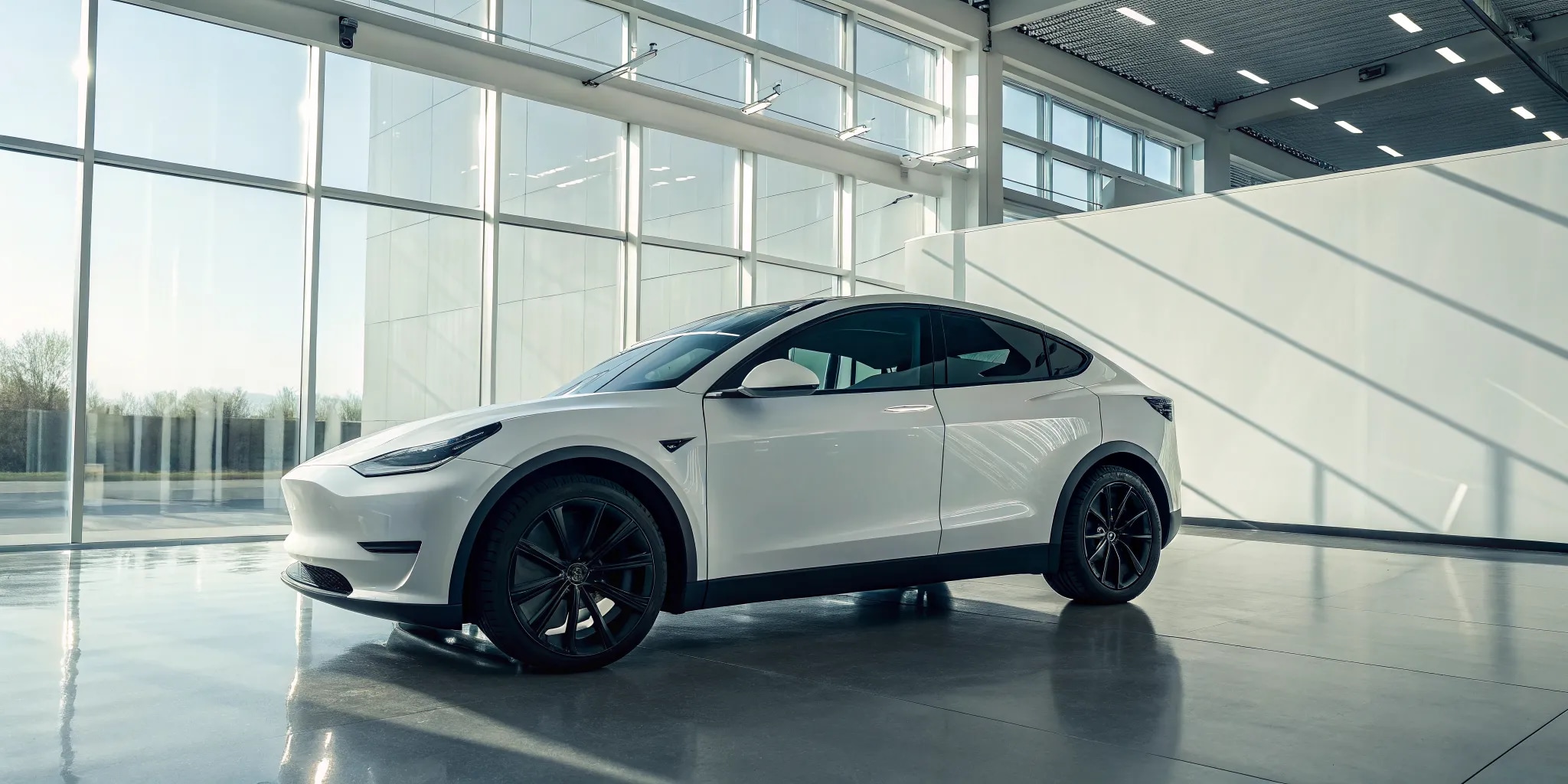
Finding what seems like a great deal on a used Tesla Model Y with FSD can feel like a huge win, but this is where you need to be most careful. The world of pre-owned Teslas has unique pitfalls that can turn a dream car into a costly mistake. For instance, did you know that the FSD software can be removed from a vehicle if it’s sold at a private Tesla auction? Or that a seller might not mention the feature is a monthly subscription that won’t transfer to you? These are expensive surprises you want to avoid. We’ll cover the key risks and show you exactly how to protect yourself, ensuring the advanced features you pay for are the ones you actually get to keep.
Key Takeaways
- Confirm FSD is permanent, not temporary: Before you buy, check the vehicle's software screen for the "Included Package" label. For complete peace of mind, call Tesla with the VIN to get official confirmation that the feature is tied to the car and not a monthly subscription that will disappear.
- Know what FSD is actually worth on a used car: The value of FSD depreciates significantly from its original price. Research what similar Model Ys with and without the feature are selling for in your area to understand its true market value and negotiate a fair price.
- Check the battery, hardware, and overall condition: A thorough inspection is essential. Evaluate the battery's health and maximum range, verify the car has the "Full Self-Driving computer" hardware installed, and do a complete walk-around to assess the car's physical condition inside and out.
What is Tesla's Full Self-Driving (FSD)?
If you’re looking at a used Tesla Model Y, you’ve probably seen the term “Full Self-Driving” or FSD. It’s one of Tesla’s most talked-about features, but it’s also one of the most misunderstood. Let’s clear things up. FSD is an advanced driver-assistance system, not a fully autonomous one. Think of it as a very sophisticated cruise control that can handle more complex driving situations. The system is designed to manage steering, braking, and accelerating, but it always requires you to be an active, attentive driver with your hands on the wheel, ready to take over at any moment.
Understanding what FSD can and can’t do is the first step in deciding if it’s a must-have feature for your next car. It’s a significant factor in the price and experience of a used Model Y, so knowing the details about its features, how you pay for it, and what hardware it needs will help you make a smart purchase. We’ll walk through exactly what you need to know before you start your search.
FSD Features and Capabilities
So, what does Full Self-Driving actually do? The feature set is designed to handle more driving tasks to make your commute a little easier. The system includes everything from Basic Autopilot and Enhanced Autopilot, plus more advanced functions. With FSD, the car can navigate on and off highway ramps, make lane changes, park itself, and be summoned from a parking spot. One of its main features is Traffic Light and Stop Sign Control, where the car can recognize and respond to traffic signals. It also offers Autosteer on city streets, which helps you navigate tighter, more complex urban roads. Tesla’s official page on Full Self-Driving explains that these features are intended to provide active guidance, but always under your supervision.
Subscription vs. One-Time Purchase
When you’re looking at a used Model Y, FSD can be included in one of two ways: as a one-time purchase tied to the car or as a monthly subscription. Originally, FSD was a pricey upfront purchase, costing around $8,000. If the previous owner bought it, it typically stays with the vehicle (though we’ll cover some exceptions later). More recently, Tesla introduced a subscription model for about $100 per month. This gives drivers more flexibility. For a used car buyer, this is a critical distinction. A car with FSD purchased outright will have a higher resale value, while a car without it gives you the option to subscribe if and when you want the feature.
Hardware and Compatibility Requirements
Not every Tesla on the road can run the latest version of FSD. The system requires specific hardware, often referred to as "Hardware 3" (HW3) or more recently, "Hardware 4" (HW4). This includes a powerful onboard computer and a suite of cameras. Most newer Model Ys come equipped with the necessary components, but some older models might not. This is a huge factor to consider when buying a used Tesla, because a vehicle without the right hardware can't support FSD, even with a subscription. Before you buy, it’s essential to verify that the specific Model Y you’re interested in has the correct hardware to run the features you want.
How to Verify FSD on a Used Tesla Model Y
So you've found a used Tesla Model Y that supposedly has Full Self-Driving. That's a huge plus, but it's also where you need to be extra careful. FSD is a valuable software feature, and you want to be absolutely sure it's permanently tied to the car, not a subscription that will disappear once you drive off the lot. Verifying the FSD status isn't difficult, but it does require a few specific steps. Let's walk through exactly what you need to do to confirm you're getting the real deal.
Check the Vehicle's Software Settings
Your first move should happen right inside the car. Hop into the driver's seat and navigate to the main touchscreen. Tap 'Controls,' then 'Software.' Here, you're looking for very specific wording: "Full Self Driving Capability - Included Package." If you see this, it's a great sign that FSD is a permanent feature of the vehicle. Be wary of other phrases. For instance, seeing "Full Self-Driving Computer" only means the car has the necessary hardware, not the active software. Also, if you see any mention of a subscription or an end date, the FSD is temporary and won't transfer to you. This simple software check is a critical part of your used car inspection.
Get Official Confirmation from Tesla
While the software screen is a strong indicator, you'll want definitive proof directly from the source. The only way to be 100% certain is to get confirmation from Tesla. You can call their customer service line at (877) 798-3752 with the car's Vehicle Identification Number (VIN), which you can find on the driver's side dashboard or door jamb. When you speak with a representative, ask them to verify the FSD status. For your own records, request that they send you an email confirming that the Full Self-Driving capability is included and permanent. This email serves as your official documentation and gives you complete peace of mind before you finalize the purchase.
Request Key Documents from the Seller
Whether you're buying from a private seller or a dealership, asking for the right paperwork is key. Ask the seller to log into their Tesla App and show you the "Included Package" status on the Software page, which should match what you saw in the car. If you're buying from a private party, ask to see the original purchase agreement. This document will show if FSD was a one-time purchase, not a monthly subscription. Once the sale is complete and the vehicle is transferred to your Tesla account, double-check that the seller's access has been removed. Having this clear documentation helps ensure a smooth process when you explore your financing options.
Key Risks of Buying a Used Tesla with FSD
Finding a used Tesla Model Y with Full Self-Driving (FSD) can feel like hitting the jackpot, but it’s important to go in with your eyes open. The way Tesla handles FSD transfers can be tricky, and you don’t want to end up paying for a feature you don’t actually get. Before you commit, let’s walk through some of the key risks. Understanding these potential issues will help you protect your investment and ensure the car you drive off the lot has all the features you expect.
FSD Transfer Pitfalls and Auction Vehicles
One of the biggest risks involves how the car was previously sold. If a Tesla is reacquired by the company and sold through a private Tesla auction to a dealership, the FSD package is often removed. This means that even if the car originally had FSD, it might not be there by the time you see it. Some buyers have shared stories online where they discovered the FSD disappears from a car after an auction sale. That’s why it’s so important to work with a transparent dealership that can verify the vehicle’s features and history for you.
Subscription vs. Permanent FSD Confusion
It’s also crucial to know whether the FSD on the car was a one-time purchase or a monthly subscription. A one-time FSD purchase is tied to the car’s Vehicle Identification Number (VIN) and should transfer to the new owner. However, an FSD subscription is tied to the previous owner’s Tesla account and will not transfer to you. A seller might not realize this or could forget to mention it. You could end up thinking FSD is included, only to find out it was a subscription that has since expired, leaving you with an unexpected future expense.
Misleading Claims and How to Verify Them
Be cautious of listings that use vague language. A car might be advertised with "Full Self-Driving Capability" or an "FSD Computer," but this doesn't guarantee the software is active. It often just means the car has the necessary hardware. The software itself is a separate purchase or subscription that might not be included. The best way to protect yourself is to verify the feature yourself. Before buying, always check the FSD status on the car’s touchscreen under the "Software" or "Upgrades" tab to confirm it’s a paid feature and not an expired subscription.
How to Price a Used Tesla Model Y with FSD
Figuring out the right price for a used Tesla Model Y with Full Self-Driving (FSD) can feel like hitting a moving target. Unlike a sunroof or leather seats, FSD is a sophisticated software package, and its value isn't as straightforward as its original sticker price. The technology is constantly evolving, and its market value shifts with software updates and consumer demand. This makes it tricky to pin down a single number, but it's not impossible. The key is to look beyond the initial cost and understand how the market currently values this technology.
To land on a fair price, you need to approach it from a few different angles. It’s not just about what the seller is asking, but about what the feature is truly worth today. First, you’ll want to get a sense of FSD’s general market value on a pre-owned vehicle. Next, you’ll need to do some hands-on research by comparing listings for similar cars with and without the feature. Finally, it’s important to think about how FSD will affect your long-term costs, like your monthly loan payment and insurance premiums. Getting a handle on these three areas will give you the confidence to make a smart offer.
The Market Value of FSD
When a Tesla is sold new, FSD is a pricey add-on, but it doesn’t retain its full value on the used market. Think of it like driving a new car off the lot; some depreciation is expected. Research shows that FSD on a used Tesla is typically worth about 15% to 50% of its original purchase price. This wide range depends on the vehicle's age, mileage, condition, and overall demand at the time of sale. So, while you should expect to pay a premium for a Model Y with FSD, you shouldn’t be paying anywhere near what the first owner paid for the software.
Compare FSD vs. Non-FSD Model Prices
The best way to gauge the true market value of FSD is to do a side-by-side comparison. Look for used Model Y listings from the same year with similar mileage and features. Find a few examples with FSD and a few without, then compare their prices. You’ll likely notice a clear price gap, but it’s rarely as high as the cost of buying FSD new. As many owners in online forums will tell you, FSD is worth a fraction of its original price on the used market. This simple exercise will give you a realistic baseline for what you should expect to pay.
How FSD Affects Financing and Insurance
The added cost of FSD gets rolled into the vehicle's total price, which directly impacts your financing. A higher purchase price means a larger auto loan and a higher monthly payment. It’s also smart to consider insurance costs, as a car with FSD has a higher replacement value, which can lead to slightly higher premiums. When weighing your options, remember that adding FSD after purchase means paying for it separately, either as a one-time purchase or a monthly subscription from Tesla. Factoring it into your initial purchase can often be a more financially sound decision, especially if you find a great deal on a car with FSD already included.
Where to Find a Used Tesla Model Y with FSD
Once you know how to verify and price a used Tesla Model Y with Full Self-Driving, the next step is finding the right one. Your search will likely take you across a few different channels, each with its own set of pros and cons. You can explore the certified inventory at a trusted local dealership, go directly to the source through Tesla’s own pre-owned program, or browse third-party platforms where private sellers list their vehicles. Knowing where to look and what to expect from each option will help you find a great car without the headache. Let’s walk through the best places to start your search.
Explore Auto Web Expo's Certified Inventory
Starting your search at a reputable local dealership like Auto Web Expo is always a smart move. Our certified inventory gives you confidence that each vehicle has been thoroughly inspected and is ready for the road. When it comes to features like FSD, we understand its true market value. As many Tesla owners will tell you, FSD is worth a fraction of its original price on the used market. Our team ensures the price reflects that, so you can be sure you’re getting a fair deal. Plus, you get the benefit of in-person support from a team that knows these cars inside and out.
Review Tesla's Certified Pre-Owned Program
Another excellent route is to check out Tesla’s Certified Pre-Owned (CPO) program. Buying directly from the manufacturer offers a unique level of assurance. You know the vehicle has been inspected by Tesla-certified technicians and that the FSD feature is legitimate and properly tied to the car. While you won’t have much room to negotiate on price, the cost is set and transparent. This can be a major plus if you prefer a straightforward buying process without the back-and-forth. For many buyers, the peace of mind that comes with a manufacturer-certified vehicle is well worth it.
Spot Red Flags on Third-Party Platforms
If you decide to browse third-party platforms where private sellers list their cars, it’s important to proceed with a healthy dose of caution. While you might find a wider variety of options, you’ll also encounter a higher risk of misleading listings or inflated prices. To protect yourself, use what you know about FSD’s value. Generally, the FSD package is worth about 15% to 50% of its original cost on a used Tesla. If a seller is trying to add the full purchase price to the car’s value, that’s a major red flag. Use this knowledge to filter out overpriced listings and focus on sellers who are pricing their vehicles fairly.
Your Used Tesla Model Y Inspection Checklist
Okay, you've found a promising used Model Y with FSD. Before you sign any paperwork, it's time to put on your detective hat. A thorough inspection is your best tool for making sure you're getting a great car, not someone else's problems. This isn't just about kicking the tires; it's about looking closely at the things that make a Tesla unique, from its high-tech software to its powerful battery. Think of this as your final confirmation that the car is as good in person as it looks online. A few minutes of careful review can give you peace of mind for years to come.
We'll walk through the three most important areas to focus on: the battery, the Autopilot and FSD systems, and the overall physical condition of the car. Taking the time to check these details can save you from future headaches and unexpected costs. It also gives you valuable information you can use when negotiating the final price. While a reputable dealership like Auto Web Expo will have already performed a detailed inspection and can provide a vehicle history report, doing your own review empowers you as a buyer. You'll know exactly what you're getting and can drive off the lot feeling completely confident in your purchase.
Evaluate Battery Health and Charging
The battery is the heart of any EV, so its health is a top priority. A healthy battery means you get the range and performance you expect. When you get in the car, check the battery's state of charge and the estimated range. A good rule of thumb is to ask for the car to be charged to 100% and see what the maximum range displays. Compare this to the original EPA-estimated range for that specific year and model, keeping in mind that some battery degradation is normal over time. Also, ask about the car's charging history. A vehicle that was primarily charged at home on a Level 2 charger is generally preferable to one that relied heavily on DC fast charging.
Verify Autopilot Hardware and Software
This step is crucial, especially when FSD is a key feature you're paying for. You need to confirm two things: the hardware installed and the software package that's active. In the car, tap the Tesla "T" at the top of the center screen, then select "Additional Vehicle Information." Here, you'll see the "Autopilot computer" version. You'll want to see "Full Self-Driving computer" listed. Next, go to the 'Software' tab on the main screen to see which package is included. It should explicitly state "Full Self-Driving Capability." This confirms the feature is tied to the car and not just a subscription that could disappear. Verifying the Autopilot hardware ensures the car is equipped for current and future updates.
Assess the Interior and Exterior Condition
Finally, do a classic walk-around and interior check. On the outside, look for inconsistent panel gaps, which can sometimes be an issue on Teslas, and check for any signs of repainting that might indicate a past accident. Examine the large glass roof for any chips or cracks. Inside, test every feature. Tap through all the menus on the infotainment screen to ensure it's responsive. Check the seats for excessive wear, test the climate controls, and make sure all the windows and doors operate smoothly. Don't forget to check the condition of the tires, as replacing them on a heavy EV can be costly. A comprehensive used car inspection can help you spot issues you might otherwise miss.
How to Negotiate the Price
Once you’ve found the right used Tesla Model Y and verified its FSD status, it’s time to talk numbers. Negotiating can feel intimidating, but walking in prepared makes all the difference. Your goal is to reach a fair price that reflects the vehicle's true market value, including the FSD feature. Remember, knowledge is your best tool at the bargaining table. By doing your homework on comparable vehicles, understanding the value of FSD, and having your financing in order, you can approach the conversation with confidence. A reputable dealership expects you to be an informed buyer, and a solid negotiation is simply a conversation to find a price that works for everyone. It’s not about winning or losing; it’s about making a smart purchase you feel great about long after you drive off the lot.
Research Comparable Listings
Before you make an offer, you need a clear understanding of what similar cars are selling for. Spend some time researching comparable listings for used Tesla Model Ys in the Dallas-Fort Worth area, paying close attention to the year, mileage, condition, and whether they include FSD. As many owners on the Tesla Motors Club forums note, FSD is worth only a fraction of its original purchase price on the used market. Knowing this helps you set realistic expectations and build a strong case for your offer. Having data from other listings shows the seller you’ve done your homework and are serious about finding a fair price.
Use FSD Verification as Leverage
The confirmation that FSD is permanently tied to the vehicle is one of your most powerful negotiating tools. If you’ve followed the steps to verify it, you can confidently discuss its value. The worth of FSD on a used Tesla can vary quite a bit, often landing somewhere between 15% and 50% of its original cost. This range gives you a solid foundation for your negotiation. You can argue for a price that accurately reflects the feature’s value without overpaying. If a seller’s asking price seems to reflect the full original cost of FSD, you can use your market research to bring the number to a more reasonable place.
Explore Your Financing Options
Having your financing sorted out before you negotiate puts you in a stronger position. When you’re pre-approved for an auto loan, you’re essentially a cash buyer in the dealer's eyes, which can simplify the process. It’s also worth noting that while Tesla’s pricing on new and used vehicles is typically fixed, prices at third-party dealerships are negotiable. Exploring your financing options ahead of time allows you to focus solely on the vehicle's price during the negotiation. You’ll know exactly what you can afford and can make a firm, confident offer based on your budget and research.
Common Mistakes to Avoid
Buying a used Tesla Model Y is an exciting step, but a few common pitfalls can trip up even savvy shoppers. Knowing what to watch out for will help you feel confident in your purchase and ensure you get the exact features you’re paying for. The key is to be thorough and ask the right questions before you sign any paperwork. It’s easy to get caught up in the sleek design and impressive tech, but a little due diligence goes a long way in protecting your investment.
Many of the biggest issues come down to three things: the vehicle’s origin, its history, and the fine print on your contract. For example, a car’s journey to the dealership lot can directly impact whether its Full Self-Driving capability is still active, a detail that could cost you thousands. Similarly, a spotty service history can hide underlying problems that aren’t obvious during a test drive, leading to unexpected repair bills down the road. Finally, a sales contract that isn’t crystal clear can leave you without the features you thought were included. By paying close attention to these areas, you can avoid surprises and drive away happy. We’ll walk through exactly what to look for.
The Risk of Auction Vehicles and Lost FSD
Be careful when considering a Model Y that was purchased from a Tesla auction. When Tesla reacquires a vehicle, it sometimes removes the FSD software before reselling it at auction. This means a car that previously had the permanent FSD package could be reset to the standard Autopilot. An unsuspecting buyer might pay a premium for FSD, only to find the feature is gone. To protect yourself, always ask about the vehicle’s origin. If it came from an auction, you’ll need to be extra diligent in verifying that FSD is active and will remain with the car after the sale.
Incomplete Service Records and Hidden Issues
A complete vehicle history is essential when buying any used car, but it’s especially important for a technologically advanced vehicle like a Tesla. Gaps in service records can be a major red flag, potentially hiding recurring electronic issues or past damage that wasn’t properly repaired. Always insist on seeing a full CARFAX report to check for accidents, review ownership history, and confirm maintenance schedules. A reputable dealership will provide this information upfront. If a seller is hesitant to share the vehicle’s full history, it’s best to walk away and find another option.
Clarify the Contract and Warranty Transfer
Verbal agreements aren’t enough. If Full Self-Driving is part of the deal, make sure it is explicitly listed on your sales contract or bill of sale. This written confirmation is your proof of purchase and protects you from any misunderstandings after the sale is complete. This document is the final word on what is included with your vehicle. Also, take the time to ask about any remaining warranties. You’ll want to understand what’s covered under Tesla’s Basic Vehicle, Battery, and Drive Unit limited warranties and confirm that they successfully transfer to you as the new owner.
Related Articles
- Used 2023 Tesla Model Y For Sale at Auto Web Expo | VIN: 7SAYGDEFXPF891237
- Used 2022 Tesla Model Y For Sale at Auto Web Expo | VIN: 7SAYGDEF5NF365840
Frequently Asked Questions
Does Full Self-Driving mean the car can actually drive itself? That’s a common point of confusion, but no, it does not. Think of Full Self-Driving (FSD) as a very advanced driver-assistance system. It can handle many tasks like steering on city streets, changing lanes on the highway, and responding to traffic lights, but it always requires you to be an alert driver with your hands on the wheel, ready to take control instantly. It is not a fully autonomous system.
What's the most reliable way to confirm a used Tesla has permanent FSD? The best way to be certain is a two-step process. First, on the car's main touchscreen, navigate to 'Controls' and then 'Software.' You need to see the exact phrase "Full Self Driving Capability - Included Package." After that, call Tesla's customer service with the car's VIN and ask them to send you an email confirming the FSD package is a permanent feature of that specific vehicle.
Is it better to buy a Model Y with FSD already included or just add it later? This really depends on your budget and preferences. Finding a used Model Y where FSD was purchased by the original owner is often the most cost-effective route. The value of the software depreciates, so you pay a fraction of the original cost and can roll it into your auto loan. If you buy a car without it, you have the flexibility to subscribe monthly, but purchasing it outright from Tesla later will be much more expensive.
I heard FSD can be removed from a car. How does that happen? This typically happens when Tesla reacquires a vehicle and then sells it to a dealership through a private auction. In some cases, Tesla removes the FSD software from the car before the sale. This is why it's so important to ask about a vehicle's history and work with a transparent dealership that verifies all features are active and permanent before listing a car for sale.
How much extra should I expect to pay for a used Model Y with FSD? While FSD is a very expensive option when new, it doesn't hold its full value on the used market. You should expect to pay a premium, but not the full original price. Generally, the market values FSD on a pre-owned Tesla at about 15% to 50% of its original cost, depending on the car's age, condition, and current demand.