
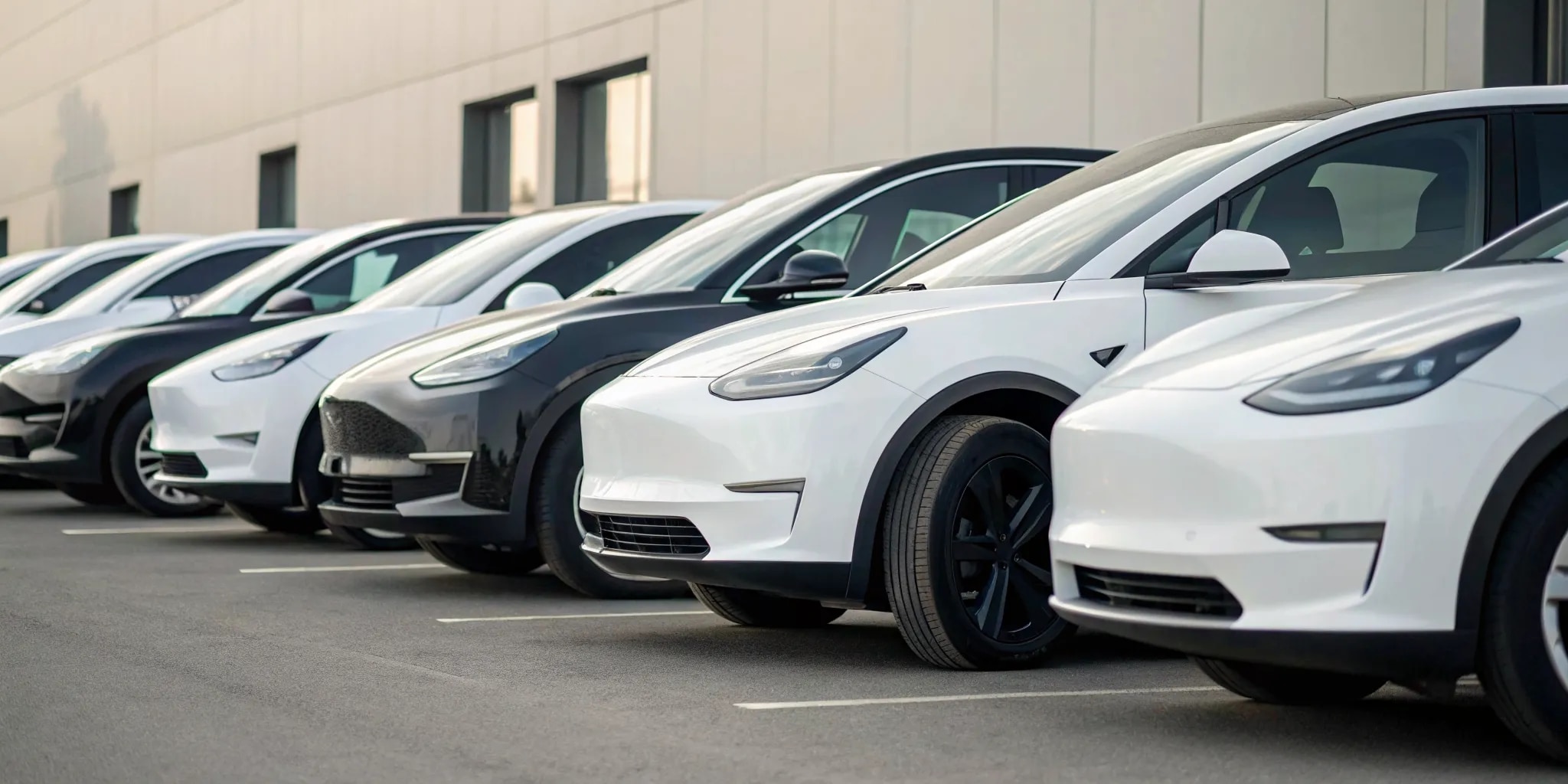
Letting someone else take the biggest depreciation hit on a new car is one of the smartest moves a buyer can make. This is especially true in the electric vehicle market, where models just a few years old offer incredible value. You get the quiet ride, instant acceleration, and advanced safety features without the premium price tag. For drivers in the Dallas-Fort Worth area, this means a luxury brand like Tesla or BMW is suddenly within reach. This article will walk you through everything you need to know, from financing options to available tax credits. We’ll show you how finding a used ev under 25k 2022 or a similar model year is the key to getting a futuristic car on a realistic budget.
Key Takeaways
- Your savings go far beyond the sticker price: A used EV's value comes from its lower initial cost, potential tax credits, and significant long-term savings on fuel and maintenance, making it a financially smart choice.
- Prioritize a professional battery inspection: An EV's battery is its most critical component. Before you buy, confirm its health and check the remaining warranty to protect your investment and ensure you get the driving range you expect.
- You don't have to sacrifice modern technology: Many used EVs under $25,000 are just a few years old and come equipped with the advanced safety features, large touchscreens, and premium comforts you'd find in newer models.
The Best Used Electric Cars You Can Find Under $25k
Finding a reliable and feature-packed electric car for under $25,000 is more than possible; it’s a great way to get into an EV without the sticker shock of a new model. The used market is full of fantastic options that offer solid range, modern tech, and the quiet, quick acceleration that makes electric driving so enjoyable. We’ve sorted through the contenders to find the models that give you the most for your money.
These cars were chosen based on a combination of affordability, reliability, real-world range, and available features. From luxury-leaning models with unique designs to practical daily drivers perfect for commuting around Dallas, there’s something here for every type of driver. As you explore your options, remember to look at the specific vehicle’s history and battery health, but these six models are an excellent starting point for your search.
Tesla Model 3 (2018-2020)
The Tesla Model 3 is often seen as the car that brought EVs to the mainstream, and for good reason. It offers a fantastic combination of performance, technology, and impressive range. Early models have now depreciated enough to fall comfortably into the sub-$25k bracket, giving you access to Tesla’s Supercharger network and a minimalist, tech-forward interior. The Standard Range Plus models from these years provide more than enough mileage for daily commutes and weekend trips. It’s a stylish choice that doesn’t compromise on the futuristic driving experience Tesla is known for.
Chevrolet Bolt EV (2017-2019)
If you’re looking for the best possible range for your dollar, the Chevrolet Bolt EV is tough to beat. Offering an EPA-estimated 238 miles on a full charge, it was a game-changer when it first launched. The Bolt is a practical and surprisingly fun-to-drive hatchback with a roomy interior and user-friendly tech. Many of these models have already had their batteries replaced under a major recall, giving you extra peace of mind. It’s a sensible, efficient vehicle that delivers on the most important promise of an EV: getting you where you need to go without any fuss.
Nissan Leaf (2013-2017)
The Nissan Leaf is one of the pioneers of the modern EV era, and older models are some of the most affordable electric cars you can find. While its range is more limited, making it best suited for city driving or shorter commutes, it’s an incredibly reliable vehicle. It’s important to note that these earlier models use a passive air-cooling system for the battery, which can lead to faster degradation in hot climates like Texas. Still, for a dependable second car or a dedicated commuter, the Leaf offers incredible value and a low cost of ownership.
BMW i3 (2014-2017)
For those who want an EV that truly stands out, the BMW i3 is a perfect fit. With its unique carbon-fiber construction, coach-style rear doors, and a modern, airy interior made from sustainable materials, the i3 feels special. It’s nimble and quick, making it a joy to drive in city traffic. While its all-electric range is modest, many models are available with a small gasoline engine known as a range extender, which kicks in to charge the battery and eliminate any range anxiety. It’s a premium, innovative EV without the premium price tag.
Hyundai Ioniq Electric (2017-2019)
The Hyundai Ioniq Electric is a master of efficiency. While it may not have the longest range in its class, it uses its energy incredibly well, making it one of the most cost-effective EVs to run. The Ioniq has a conventional, user-friendly design that doesn’t scream for attention, and it comes packed with standard features like an intuitive infotainment system and advanced safety tech. It’s a straightforward, practical choice for anyone who wants a no-nonsense electric car that is both reliable and affordable to operate on a daily basis.
Ford Focus Electric (2012-2018)
The Ford Focus Electric offers a familiar driving experience because it’s based on the popular gas-powered Focus. This makes it an easy transition for first-time EV buyers. Its range is on the shorter side, typically around 100 miles, so it’s best for predictable daily commutes and local errands. However, its low purchase price makes it an accessible entry point into the world of electric vehicles. If you have a short drive to work and can charge at home, the Focus Electric is a budget-friendly option that provides a smooth and quiet ride.
What to Check Before Buying a Used EV
Shopping for a used electric vehicle is exciting, but it comes with a slightly different checklist than buying a gas-powered car. The main components, like the battery and charging system, require a closer look to ensure you’re making a smart investment. By focusing on a few key areas, you can drive off the lot with confidence, knowing your pre-owned EV is ready for the road ahead.
Test the Battery's Health and Capacity
The battery is the heart of any EV, and it's also the most expensive component to replace. As Consumer Reports notes, "if you end up having to replace the battery in an EV, the cost could be more than the car’s worth." Over time, all batteries experience some degradation, which means their maximum range decreases. Before you buy, check the car’s dashboard for its estimated full range and compare it to the original EPA-rated range for that model year. A significant drop could be a red flag. For a more thorough analysis, ask for a professional battery health report.
Check the Remaining Warranty
Most electric vehicles come with a separate, long-term warranty for the battery and electric drivetrain, often lasting eight years or 100,000 miles. Finding a used EV that’s still under its original battery warranty gives you a fantastic safety net. This is the sweet spot: you get a lower price due to depreciation while still having manufacturer coverage for the most critical part of the car. Always confirm the exact warranty expiration date and what it covers before you finalize the purchase. You can usually find this information in the owner’s manual or by checking the vehicle's VIN.
Review the Vehicle's History and Service Records
Just like with any used car, a comprehensive vehicle history report is non-negotiable. This report will tell you about any past accidents, title issues, and the number of previous owners. For an EV, service records are also important. They can show whether the vehicle received necessary software updates and routine maintenance. A car with a clean, well-documented history is always a better bet. At Auto Web Expo, we provide a full history report with every vehicle so you know exactly what you’re getting.
Inspect the Charging Port and Cable
Take a close look at the vehicle's charging port for any signs of damage, like bent pins or cracks in the housing. If possible, test it by plugging it into a charging station to make sure it connects properly and starts charging. You should also confirm that the car comes with its original Level 1 charging cable, which allows you to plug into a standard household outlet. This cable is essential for convenient home charging, and having to buy a replacement can be an unexpected expense you'll want to avoid.
Why You Need a Pre-Purchase Inspection
Even if everything looks good on the surface, a pre-purchase inspection (PPI) is your best move for total peace of mind. As the experts at Car and Driver recommend, "Have a local mechanic check the car before you buy it to find any hidden problems." An experienced technician, especially one familiar with EVs, can assess the battery, electrical systems, and brakes in ways you can't in a simple test drive. Our service center in Plano can perform a thorough inspection to ensure your chosen EV is in top condition.
How Do Used EV Prices Compare to New?
One of the biggest draws of buying a used electric vehicle is the price tag. While a brand-new EV can feel out of reach for many budgets, the pre-owned market tells a completely different story. The initial, steep drop in value that new cars experience works in your favor here. You get to skip that major depreciation hit and step into a modern, tech-filled car for a fraction of the original cost. This isn't about settling for an older, stripped-down model. We're talking about recent models from top brands like Tesla, BMW, and Hyundai that are just a few years old.
The price difference between new and used EVs is often significant enough to make electric driving accessible to a much wider audience. Think about it: the money you save on the initial purchase can go toward a home charger, your next road trip, or simply stay in your savings account. Plus, you still get to enjoy the primary benefits of EV ownership, like lower fuel costs and reduced maintenance, making it a smart financial decision from day one. For drivers in the Dallas-Fort Worth area, this means you can find a premium electric car that fits your lifestyle without stretching your finances.
How Much You Can Really Save on Lightly Used Models
The savings on a gently used EV can be genuinely surprising. Because the electric vehicle market is evolving so quickly, models that are just two or three years old can often be found for a massive discount. It’s not uncommon to find a recent EV for 50% off its original sticker price, even though it still has plenty of advanced technology and a manufacturer's warranty on the battery. This rapid depreciation on the new-car side creates incredible value for used-car buyers, helping to propel sales of pre-owned models. For you, this means a luxury EV that was once $50,000 could now easily fit into a $25,000 budget.
Tech Features You Still Get
If you’re worried that buying used means missing out on the latest gadgets, you can set that fear aside. The EV market has been packed with innovation for years, so even models from 2018 or 2019 are loaded with features that still feel futuristic. Many used electric cars come equipped with large touchscreen displays, premium sound systems, and advanced driver-assistance systems like adaptive cruise control and lane-keeping assist. You’re not sacrificing the modern tech features that make driving safer and more enjoyable. You’re simply getting them at a much better price.
Let Someone Else Take the Depreciation Hit
Every new car loses value the moment it leaves the dealership, but EVs have historically seen a steeper drop in their first few years. As a used EV buyer, this is your secret weapon. You let the original owner absorb that initial, significant loss in value. While the price gap between used EVs and used gas cars is getting smaller, the spread has been narrowing as more people discover the benefits of going electric. By purchasing a pre-owned model, you’re buying an asset that will hold its value much better over the time you own it, protecting your investment in the long run.
What's Driving Used EV Prices Right Now?
The simple answer is affordability. As more new EV models are released, a steady stream of high-quality, pre-owned vehicles enters the market from drivers upgrading to the latest thing. This increased supply helps keep prices competitive and gives you more options to choose from. The buzzword in the auto industry right now is "affordability," and the used EV market is delivering on that promise. For buyers in Plano, Frisco, and across DFW, this creates a perfect opportunity to find a fantastic electric car that aligns with both your driving needs and your financial goals.
The Pros and Cons of Buying a Used EV
Deciding to buy a used electric vehicle is exciting, but it’s smart to look at the full picture before you start browsing listings. Like any major purchase, there are clear benefits and a few potential drawbacks to consider. The great news is that by knowing what to look for, you can find an amazing vehicle that fits your lifestyle and budget perfectly. Thinking through these points will help you feel confident and prepared as you search for your next car in the Dallas-Fort Worth area.
Pro: Lower Purchase Price and Insurance Costs
The most immediate advantage of buying a used EV is the price. You can often find a two or three-year-old model for a fraction of its original cost, sometimes even 50% off, while still getting a car packed with modern technology. This initial savings makes getting into a premium brand like a used Tesla or BMW much more accessible. Beyond the sticker price, you may also find that insuring an electric vehicle can be less expensive than insuring a comparable gas-powered car, adding to your long-term savings. It’s a powerful combination that makes a used EV a financially savvy choice.
Pro: Less Value Lost to Depreciation
New cars lose a significant portion of their value the moment they leave the lot, and EVs are no exception. When you buy used, you let the original owner absorb that initial, steep drop in value. While the average price of a used EV is getting closer to that of a pre-owned gas car, you still benefit from a much slower rate of depreciation moving forward. This means the car you buy will hold its value better over the time you own it, so you’ll get more of your investment back when it’s time to sell or trade it in.
Con: Potential Battery Degradation
An EV’s battery is its most important and expensive component. Over time, all batteries lose some of their ability to hold a full charge, a process known as degradation. While most EV batteries are built to last, there's always a risk, especially with older models. The reality is that if you end up having to replace the battery, the cost could be more than the car is worth. This is why getting a professional battery health check is one of the most critical steps before buying any used electric car.
Con: Limited Warranty Coverage
New EVs come with extensive warranties, especially for the battery, often covering it for eight years or 100,000 miles. When you buy used, that warranty clock is already ticking. The sweet spot is finding a used EV that’s still under its original battery warranty but has depreciated enough for you to see significant savings. However, many affordable used EVs may be out of warranty or close to its expiration. This leaves you responsible for potential repair costs, so it’s important to review the vehicle’s warranty status carefully and consider an extended service plan for peace of mind.
Con: Older Charging Technology
EV technology is advancing quickly, which means older models might not have the same capabilities as the latest releases. Potential downsides include a more limited driving range and slower charging speeds. An older EV might not be compatible with the fastest DC fast-charging stations you see around Dallas, meaning you’ll spend more time waiting for a charge on road trips. It’s important to consider your daily commute and driving habits to ensure the vehicle’s range and charging infrastructure access meet your needs without causing frustration.
Why Battery Health is a Big Deal
When you’re looking at a used electric vehicle, the battery is the single most important component to consider. Think of it as the heart of the car. It determines your driving range, affects the vehicle’s performance, and represents a huge part of its overall value. Unlike the engine in a gas-powered car, which has many moving parts, an EV’s battery health is a more straightforward indicator of its longevity and future reliability. A healthy battery means you’ll get the range and performance you expect, while a degraded one could lead to frustration and unexpected costs.
That’s why you can’t just kick the tires and call it a day. Understanding the battery’s condition is crucial before you make a purchase. This involves looking at a few key things: how much capacity it has lost over time, whether it’s still covered by the manufacturer’s warranty, and if it’s showing any red flags. Getting a clear picture of the battery’s health will give you the confidence you need to drive off the lot knowing you made a smart investment. It’s the best way to ensure your pre-owned EV will serve you well for years to come.
What is Battery Degradation?
Every rechargeable battery, from your phone to your car, gradually loses some of its ability to hold a full charge over time. This natural process is called battery degradation. For an EV, this means the total driving range you get from a full charge will slowly decrease over the years. Don’t let that scare you, though. EV batteries are designed to be incredibly durable and last for a very long time. However, factors like charging habits, mileage, and even climate can influence how quickly a battery degrades. Living in the Texas heat, for example, can have an impact on long-term battery health. Knowing a vehicle’s history helps you understand its current range and predict its future performance.
How to Get a Professional Battery Check
You don’t have to rely on guesswork to figure out a battery’s condition. The most reliable way to understand its health is to get a professional assessment. Think of it as a check-up for your car’s most vital organ. Many services can generate a detailed Battery Health Report that shows the battery’s current state and its estimated remaining capacity. This report gives you concrete data to help you make an informed decision. Here at Auto Web Expo, we ensure our vehicles undergo a thorough inspection, but getting an independent report can offer an extra layer of confidence before you buy.
Does the Warranty Still Cover the Battery?
One of the biggest advantages of buying a newer used EV is the possibility of remaining warranty coverage. Most automakers provide a separate, long-term warranty for the battery pack, which is typically good for eight years or 100,000 miles, whichever comes first. This warranty protects you against significant battery degradation or failure. Before you fall in love with a specific car, you should always check the vehicle’s warranty status. If the battery is still covered, you get valuable peace of mind knowing that you’re protected from potentially expensive repairs down the road. It’s a major selling point that adds significant value to a pre-owned EV.
Warning Signs of a Failing Battery
While a professional inspection is best, there are a few warning signs you can look for during a test drive. A major red flag is a significantly reduced driving range compared to what the car was rated for when new. For example, if a car with an original 250-mile range now only shows 150 miles on a full charge, it’s worth investigating. Other signs include the battery taking much longer to charge than it should or any specific battery-related warning lights on the dashboard. These issues don’t always mean the battery is failing, but they are clear signals that a thorough pre-purchase inspection is a must.
Where to Find a Great Used EV
So, you’re ready to find your used EV. Where do you begin? Thankfully, you have plenty of options. From dealership programs that offer extra peace of mind to vast online marketplaces, your perfect electric car is waiting. The trick is knowing where to look and how to narrow down the choices to find a quality vehicle that fits your life and budget. Let's walk through the best places to start your search right here in the DFW area.
Start with Certified Pre-Owned Programs
If you want extra assurance with your purchase, Certified Pre-Owned (CPO) programs are a fantastic starting point. A CPO label means the vehicle has passed a rigorous, multi-point inspection and meets high quality standards set by the manufacturer or dealership. Many of these used electric cars also come with extended warranties, which is a huge plus when considering the battery and other unique EV components. This process gives you confidence that you’re getting a reliable vehicle that’s been thoroughly vetted, taking much of the guesswork out of buying used.
Browse Online Marketplaces and Dealerships
You can do most of your car shopping right from your couch. Online marketplaces have made finding a car easier than ever. Websites like CARFAX are designed to help people find and buy used electric cars, complete with detailed listings, vehicle history reports, and plenty of photos. You can easily compare different models and get a feel for market prices without leaving home. Don’t forget to check local dealership websites too. Places like Auto Web Expo list their full inventory online, giving you a direct look at what’s available in your neighborhood right now.
Your Best Options in the Dallas-Fort Worth Area
For those of us in the Dallas-Fort Worth area, the local market is full of great finds. You can find EVs from various years, including some very recent models and older, more budget-friendly options. This variety means you can find a car that fits your specific needs, whether you’re looking for the latest tech or just a dependable electric commuter. Visiting a trusted local dealership gives you the added benefit of seeing the cars in person and taking them for a test drive. We always have a curated selection of premium used EVs ready for our DFW neighbors.
How to Use Search Filters to Your Advantage
When you're looking at hundreds of listings, search filters are your best friend. They help you cut through the noise and focus on what truly matters to you. On most sites, you can sort listings to find the "best deals" or filter by the "lowest price first." You can also narrow your search by location, brand, model, price, mileage, and even must-have features like heated seats or a built-in navigation system. Taking a few minutes to apply these filters can save you hours of scrolling and helps you pinpoint the exact car you’re looking for much faster.
How to Finance Your Used EV
Once you’ve found the perfect used EV, the next step is figuring out the best way to pay for it. Financing an electric car is a lot like financing a traditional gas-powered vehicle, but there are a few unique angles to consider that can save you money. The process is straightforward, and you have several options to explore, from standard auto loans to more specialized choices.
The key is to find a financing plan that fits your budget and makes you feel confident in your purchase. Whether you go through a bank, a credit union, or the dealership, taking a moment to understand your choices will make the entire experience smoother. Let’s walk through the most common paths for financing your used EV.
Traditional Auto Loans vs. EV-Specific Options
For most people, a traditional auto loan is the simplest way to finance a used EV. The process works just as it would for any other car: you agree on a price, make a down payment, and finance the rest through a lender. However, it’s worth asking any potential lender if they offer green vehicle loans. Some banks and credit unions provide slightly lower interest rates as an incentive for purchasing an eco-friendly car. While less common for used vehicles, these small discounts can add up over the life of your loan. You can also explore different electric vehicle financing options to see what incentives might be available to you.
Comparing Banks and Credit Unions
It always pays to shop around for your auto loan. Don’t just accept the first offer you receive. We recommend getting pre-approved from at least two or three different lenders, including your own bank and a local credit union. Credit unions are non-profit institutions and often provide members with lower interest rates and more flexible terms than big banks. Getting pre-approved before you start seriously shopping gives you a clear budget and puts you in a stronger negotiating position. Of course, you can also finance directly through the dealership. We work with a network of lenders to find competitive rates, saving you the time and effort of searching on your own.
Should You Consider a Lease Buyout?
If you’re currently leasing an EV and love it, buying it at the end of your term could be a fantastic option. A lease buyout allows you to purchase the vehicle for a predetermined price set at the beginning of your lease. This can be a great deal if the car’s current market value is higher than its buyout price, which often happens if you’ve kept it in great condition with low mileage. You’ll need to secure a loan to cover the buyout amount, but it’s a great way to own a car you already know and trust. Comparing the pros and cons of a lease versus a loan can help you decide if this is the right financial move for you.
Can You Still Get Tax Credits for a Used EV?
One of the best parts about buying a used electric vehicle is that the savings don't stop with the sticker price. Several tax credits and rebates are available that can significantly lower your overall cost, making that EV under $25,000 an even smarter financial move. Think of it as a bonus discount from the government and local organizations for making an eco-friendly choice. These programs are designed to make clean transportation more accessible, and they can turn a premium vehicle that felt slightly out of reach into the perfect fit for your budget.
These incentives come from a few different places: the federal government, the state of Texas, and even your local utility company. The rules and amounts can vary, so it’s worth taking a few minutes to see what you qualify for. Stacking these credits can sometimes save you thousands of dollars, turning a great deal into an incredible one. Before you finalize your purchase, let’s walk through where to find these savings and how to check if you and your chosen vehicle are eligible. It’s a simple step that can have a big impact on your wallet.
Checking Your Federal Tax Credit Eligibility
Yes, you can still get a federal tax credit for buying a used EV. Thanks to the Inflation Reduction Act, qualified buyers can receive a credit for 30% of the sale price, up to a maximum of $4,000. To be eligible, the vehicle's sale price must be $25,000 or less, and it has to be from a model year that is at least two years earlier than the current calendar year. There are also income limitations for the buyer, so be sure to check the latest requirements. A popular option like a 2020 Tesla Model 3 could easily meet the vehicle criteria, making it a fantastic and affordable choice.
Finding Texas State and Local Rebates
On top of the federal credit, Texas offers its own programs to make driving an EV more accessible. These state and local incentives can be a huge help, especially when you’re trying to stay under that $25,000 budget. The availability of these rebates has helped more drivers get into lightly used EVs at a great price. The programs can change, so it’s always a good idea to check the current offerings for the Dallas-Fort Worth area. These state-level savings can often be combined with federal credits, maximizing how much you save on your purchase and making your switch to electric even more rewarding.
Don't Forget Utility Company Incentives
The savings can get even more local. Many electricity providers in the DFW area offer their own utility company incentives to encourage customers to switch to electric vehicles. These perks can come in many forms, from a cash rebate after you purchase your car to a discount on installing a home charging station or special, lower rates for charging your vehicle during off-peak hours. While the average price of a used EV is getting closer to that of a gas-powered car, these extra benefits help close the gap completely and reduce your long-term running costs. Check with your specific provider to see what programs they have available.
What are the Long-Term Costs of Ownership?
The sticker price is just the start of your car's story. To understand the true cost of a used EV, you have to look at what you'll spend over the years you own it. This is where electric vehicles really start to shine compared to their gas-powered counterparts. The long-term expenses for an EV are fundamentally different, swapping out gas station stops and regular engine maintenance for electricity costs and battery care.
When you weigh the day-to-day running costs, you'll find that savings on fuel and maintenance can quickly offset any difference in purchase price. However, it's also smart to be aware of potential future repairs, like battery health and finding the right mechanic. Let’s break down what you can expect to spend after you drive off the lot.
How Much You'll Save on Maintenance
One of the biggest perks of owning an EV is waving goodbye to a long list of common maintenance tasks. Electric motors have far fewer moving parts than internal combustion engines, which means there’s simply less that can wear out or break. You can cross oil changes, spark plug replacements, and exhaust system repairs right off your to-do list for good.
This simplified design leads to significant savings over time. Your routine maintenance will mostly involve checking the tires, brakes, and coolant. And thanks to regenerative braking, where the electric motor helps slow the car, your brake pads will often last much longer than on a traditional car. This means fewer trips to the shop and more money in your pocket for the things you actually enjoy.
Charging Costs vs. Gas Prices
While the average price of a used EV has become very competitive with gas cars, the real financial win comes from what you spend on "fuel." Charging your EV at home typically costs a fraction of what you’d pay at the pump, especially with the unpredictable gas prices around Dallas. Imagine your electricity bill going up slightly instead of facing a hefty gas charge every week.
Even when you use public charging stations, the costs are often lower than a full tank of gasoline. When you calculate your potential savings, you’ll see that a well-chosen used EV, like a Tesla Model 3 or Chevy Bolt, often comes out ahead financially. Those daily savings on fuel add up quickly, making the total cost of ownership much more attractive.
Finding a Qualified EV Mechanic in DFW
It’s true that you can’t take an EV to just any mechanic. The high-voltage battery and electric motor require specialized knowledge and tools. While this might seem like a downside, the DFW area has a growing number of qualified EV technicians who are trained to work on these advanced systems. The key is to identify a trusted shop before you ever need one.
Concerns about battery replacement costs are valid, as it can be an expensive repair. However, EV batteries are designed to last for many years, and most are still covered by a lengthy manufacturer's warranty. Before buying, always get a pre-purchase inspection from a certified EV mechanic who can assess the battery's health and give you peace of mind.
Let's Bust Some Common Used EV Myths
Switching to an electric vehicle can feel like a big step, and it’s easy to get caught up in myths and misconceptions. You’ve probably heard stories from friends or seen headlines about massive repair bills, getting stranded with no charger in sight, or the true environmental impact of batteries. It’s a lot to sort through, and it can make you second-guess if a used EV is the right choice for your life in the DFW area. When you're considering a pre-owned Tesla or BMW i3, you want assurance, not anxiety.
Let's clear the air and look at the facts. Many of the most common fears about used EVs are either outdated or simply not the whole story. The technology is evolving so quickly that what was a valid concern five years ago might be a non-issue today. Understanding the reality behind these myths will help you feel more confident as you shop for your next vehicle. We'll tackle the biggest concerns one by one, from battery costs and charging availability to range anxiety and the real environmental benefits. By the end, you'll have a much clearer picture of what it's really like to own a pre-owned electric car.
The Fear of Expensive Battery Replacements
This is probably the number one concern I hear about used EVs. The thought of a battery dying and costing a fortune to replace is scary, and it's a valid worry. It's true that a full battery replacement can be expensive. As Consumer Reports notes, the cost could potentially be more than the car is worth. However, complete battery failure is very rare. EV batteries are designed to last for the life of the vehicle and degrade slowly over time, not die suddenly. Plus, every EV comes with a long-term federal warranty on the battery, typically 8 years or 100,000 miles. When you're shopping, always check the battery's health and see how much warranty is left. This simple step provides huge peace of mind.
The Worry About Finding a Charger
The idea of being stuck somewhere in Dallas without a charger is another common worry. Some sources even claim, "There Aren't Enough Public EV Chargers." While the charging network is still growing, the situation is much better than you might think, especially in the DFW area. Most EV owners do the majority of their charging at home overnight, which is convenient and cheap. For longer trips or days with lots of driving, public charging stations are becoming more common at grocery stores, shopping centers, and workplaces. Apps like PlugShare can help you find nearby stations in real-time. The infrastructure is expanding quickly, so finding a spot to power up is getting easier every day.
The Myth of "Range Anxiety"
"Range anxiety" is that nagging fear that your EV will run out of power before you reach your destination. This was a bigger issue with the very first EVs, and it's true that some older models have limited driving range. But technology has improved dramatically. Most used EVs you'll find today offer more than enough range for the average daily commute. A 2019 Nissan Leaf, for example, can get up to 226 miles on a full charge. Think about your own daily driving habits. Do you typically drive more than 100 or 150 miles a day? For most people, the answer is no. As long as you choose a model that fits your lifestyle, range anxiety becomes a non-issue.
Are Used EVs Actually Better for the Environment?
You might have heard that manufacturing an EV battery creates a lot of emissions, questioning if they're truly "green." While battery production does have an environmental footprint, the overall picture is very clear. According to the US Environmental Protection Agency, EVs typically have a smaller carbon footprint than gasoline cars over their lifetime. Once an EV is on the road, it produces zero tailpipe emissions. This is a huge win for air quality, especially in urban areas like DFW. Even when you factor in the electricity used for charging, EVs come out ahead. By choosing a used EV, you're also extending the life of an existing vehicle, which is another great way to reduce waste and environmental impact.
Related Articles
Frequently Asked Questions
Is a used EV a good idea in the Texas heat? This is a great question, since heat can be tough on any car battery. Most modern electric vehicles, including the ones we recommend, have sophisticated liquid-cooling systems that actively manage the battery's temperature. This protects it from the worst of the summer heat and helps it maintain its health long-term. While it's still crucial to get a battery health report before you buy, living in a hot climate is not a dealbreaker for owning a used EV.
How much range will I actually lose on an older EV battery? It's normal for an EV battery to lose a small amount of its total capacity over time. A healthy, well-cared-for EV that is a few years old might show a 10 to 15 percent reduction from its original EPA-rated range. The key is that this process is very gradual. During your test drive, pay attention to the car's dashboard, which will give you a real-time estimate of its current maximum range. This number is a much better guide than the original sticker spec.
Can I still own an EV if I live in an apartment and can't charge at home? Absolutely. While home charging is convenient, it's not the only option. Many people rely on charging at their workplace or using the public charging network around Dallas-Fort Worth. You can find DC fast-charging stations at many grocery stores and shopping centers, which can add significant range in about 30 minutes. It requires a bit more planning, but with apps that show you available chargers, it's very manageable for many drivers.
Are the tax credits for used EVs difficult to claim? They are surprisingly straightforward. For the federal Used Clean Vehicle Credit, the process has become much simpler. If you and the vehicle qualify, a registered dealership can often handle the paperwork to apply the credit directly to the sale price. This means you get the discount immediately instead of waiting to file your taxes. Just be sure to confirm your personal income eligibility with the latest IRS guidelines.
Besides the battery, what are the most common repairs for a used EV? Since an EV has no engine or traditional transmission, you get to skip a lot of common repairs. The maintenance items you'll still encounter are similar to any car: tires, brakes, and suspension components. Because EVs are heavy and deliver instant power, you might find that you go through tires a bit faster. On the other hand, thanks to regenerative braking, your brake pads will almost certainly last much longer than they would on a gas-powered car.