
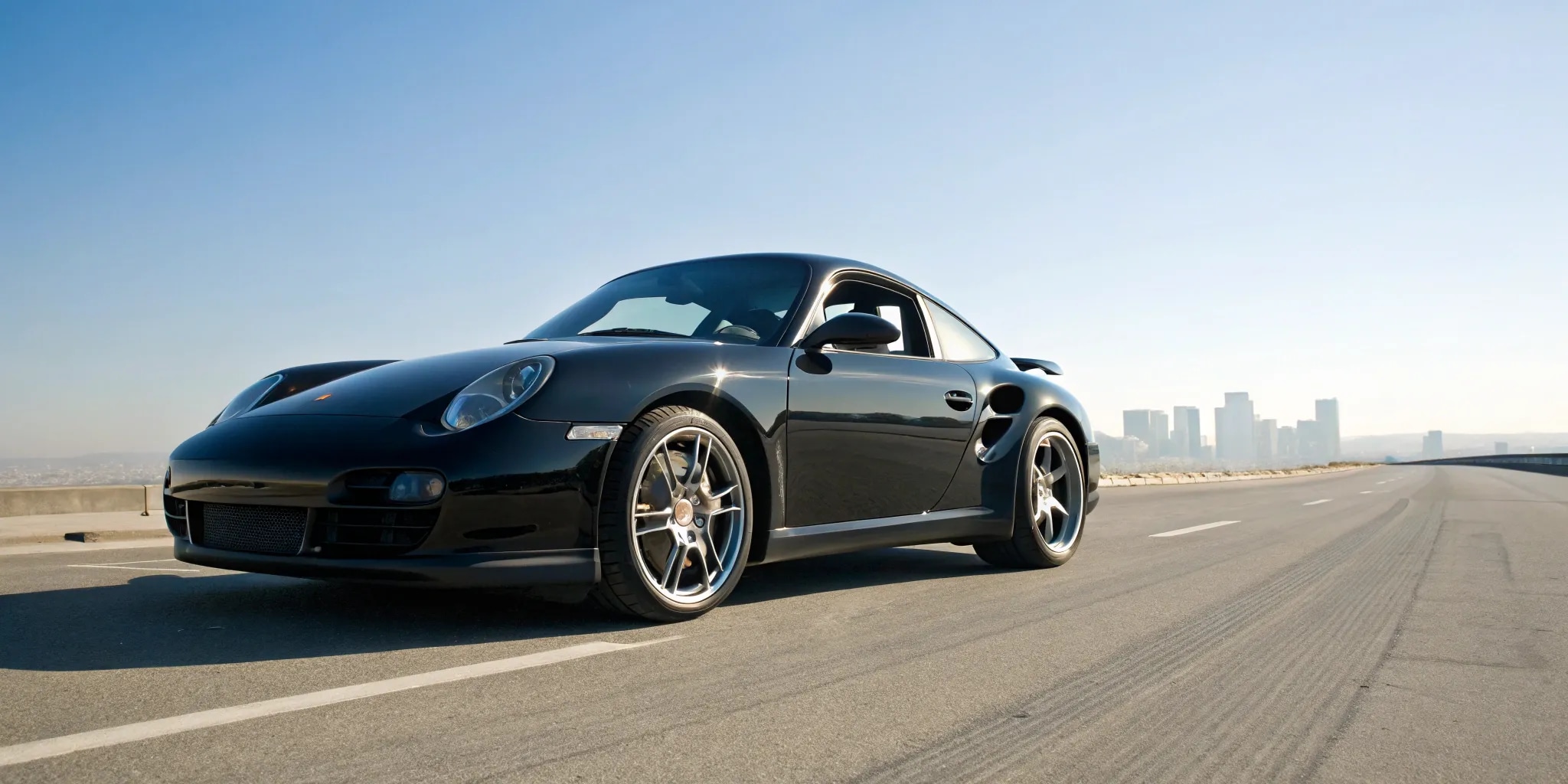
Let’s be honest: most supercars are not practical. They’re often temperamental, uncomfortable, and best left in the garage for special occasions. The Porsche 911 Turbo is the brilliant exception. It’s the supercar you can actually drive every day, whether you’re commuting through Plano or heading out for a weekend drive beyond Frisco. A used Porsche 911 Turbo offers this incredible blend of exhilarating performance and everyday usability at a fraction of the original cost. In this article, we’ll cover how to find a great example, what to look for during an inspection, and how to negotiate a fair price right here in the DFW market.
Key Takeaways
- It's a Smart Supercar Purchase: A used Porsche 911 Turbo delivers an unmatched blend of daily drivability and strong value retention, making it a thrilling acquisition you can feel good about financially.
- Inspect Before You Invest: The most critical step is getting a Pre-Purchase Inspection (PPI) from a Porsche specialist. This report, combined with service records, reveals the car's true condition and becomes your best tool for negotiating a fair price.
- Find Your Perfect Generation: Your ideal 911 Turbo depends on your priorities. The 996 is the accessible entry point, the 997 offers a perfect balance of modern and classic feel, and the 991 delivers cutting-edge performance and technology.
Why a Used Porsche 911 Turbo?
Thinking about a Porsche 911 Turbo isn't just about buying a car; it's about stepping into a legacy. For decades, this car has been the benchmark for performance, engineering, and pure driving pleasure. But what makes a used 911 Turbo such a smart and thrilling choice, especially for drivers here in the DFW area? It comes down to a unique combination of heart-pounding performance, iconic style, and surprising financial sense. Many high-performance cars feel like they belong on a track, not on the Dallas North Tollway during rush hour. The 911 Turbo is different.
Unlike many of its peers that are best left in the garage, the 911 Turbo is built to be driven. It offers the kind of reliability and comfort that makes a daily commute feel like an event. At the same time, its unmistakable silhouette guarantees you'll turn heads whether you're cruising through Plano or pulling up to a valet in Dallas. And perhaps most compellingly, a well-maintained 911 Turbo can hold its value far better than most vehicles on the road, making it an acquisition you can feel good about. It’s the complete package—a car that satisfies the enthusiast, the commuter, and the savvy buyer all at once.
A Supercar You Can Drive Daily
Let’s be honest: most supercars are not practical. They’re often temperamental, uncomfortable for anything longer than a quick spin, and expensive to maintain. The Porsche 911 Turbo is the exception. Owners consistently describe it as a joy to drive, with ferocious acceleration and instant power that’s always on tap. Yet, it’s also known for being remarkably trouble-free.
This is the car you can take to the office, run errands in, and then enjoy on a spirited drive through the backroads outside of Frisco on the weekend. It’s this blend of exhilarating performance and everyday usability that makes the 911 Turbo a true everyday supercar. It doesn’t demand compromises; it delivers an incredible experience every time you get behind the wheel.
Timeless Style That Turns Heads
The silhouette of the Porsche 911 is one of the most recognizable shapes in automotive history. While the design has evolved, its core DNA remains unchanged, creating a look that is both classic and modern. A used 911 Turbo doesn't look dated; it looks iconic. The wide rear fenders, distinctive headlights, and sleek profile are all hallmarks of a car designed with purpose and passion.
This timeless appeal means a 911 Turbo from a previous generation still commands respect and attention on the road. The Porsche 911 buyer's guide shows how each model has carried the torch forward, blending performance with an aesthetic that never goes out of style. It’s a statement of taste and an appreciation for world-class engineering.
More Than a Car, It's an Investment
Most cars start losing value the second you drive them off the lot. The Porsche 911 Turbo, however, plays by a different set of rules. While no car is a guaranteed financial win, certain 911 models have a history of holding their value exceptionally well, and in many cases, even appreciating over time. The Turbo models, with their top-tier performance and desirability, are often at the forefront of this trend.
According to analysis of the Porsche 911 market, prices across nearly every generation are climbing. This makes buying a used 911 Turbo less of a typical expense and more of a smart acquisition. You get to enjoy one of the world's greatest sports cars while your money is tied up in an asset with proven long-term demand.
How Much Does a Used Porsche 911 Turbo Cost?
Let's talk numbers. Buying a Porsche 911 Turbo is a significant investment, and the price can vary as much as the Dallas weather. You're not just buying a car; you're acquiring a piece of engineering history that holds its value remarkably well. Unlike many cars that lose value the second you drive them off the lot, a well-maintained 911 Turbo can be a surprisingly stable asset. The final price tag depends on a handful of key factors, including its age, condition, and the specific features it comes with.
While the average used Porsche 911 sells for around $160,000, the "Turbo" badge carries a premium. You can find older models for less, while newer, low-mileage examples can easily climb into the high six figures. The key is to understand what you're paying for. Think of it less as a single price point and more as a spectrum. Your budget will largely determine which generation and condition of 911 Turbo is the right fit for you. By doing your homework, you can find a fantastic car that aligns with your financial goals and driving dreams.
Breaking Down Prices by Generation
The generation of the 911 Turbo is one of the biggest factors in its price. Each era offers a different blend of performance, technology, and driving feel. For example, a 996 generation (2001-2005) is your most accessible entry point, often available for a fraction of the cost of a new model. Stepping up to the 997 generation (2007-2012) gets you more modern features and refined performance, representing a sweet spot for many buyers. The newest used models, like the 991 generation (2014-2019), command the highest prices due to their cutting-edge tech and blistering speed. Researching used Porsche 911 pricing trends will give you a solid baseline for what to expect for each model year.
What Drives the Price Up (or Down)?
Beyond the model year, several other details can dramatically affect the price. Mileage is a major one—a low-mileage garage queen will always be worth more than a daily driver with 100,000 miles. Condition is just as crucial. A pristine interior and flawless paint can add thousands to the value, while visible wear and tear will bring it down. A complete and documented service history is non-negotiable for a premium price. According to the Hagerty Valuation Tools, a poor maintenance history is a significant red flag. Finally, options matter. Features like carbon-ceramic brakes, a premium sound system, or exclusive paint colors can make one 911 Turbo significantly more expensive than another.
The DFW Market: What to Expect
Here in the Dallas-Fort Worth area, the market for pre-owned luxury cars is strong and competitive. That’s good news for buyers because it means you have plenty of options, but it also means you need to be prepared. Prices in DFW are generally in line with national averages, but you might see slight variations based on local demand. The best thing you can do is your homework on market value before you start shopping. Check online listings in Plano, Dallas, and Frisco to get a feel for what cars are selling for. This will put you in a strong position to recognize a great deal when you see one.
Which Model Year Is Right for You?
Choosing a used Porsche 911 Turbo isn't just about picking a car; it's about choosing an experience. Each generation offers a unique personality, blending performance and technology in different ways. Your perfect match depends entirely on what you want from your drive. Are you looking for a raw, analog connection to the road, or do you prefer the refined power and cutting-edge features of a more modern machine? Budget, of course, plays a huge role, but so does your personal driving style.
The three most common generations you'll find on the pre-owned market are the 996, 997, and 991. Think of them as three distinct flavors of incredible. The 996 is your ticket into the world of supercar performance at a surprisingly accessible price point. The 997 is often hailed by purists as the perfect balance of classic feel and modern capability. And the 991 is a technological powerhouse, delivering breathtaking speed with a level of sophistication that makes it an effortless daily driver. Let's break down what makes each generation special so you can find the one that speaks to you.
The 996 Turbo (2001-2005): Your Entry into Supercar Performance
If you’ve always dreamed of owning a 911 Turbo, the 996 generation is your most approachable starting point. Produced from 2001 to 2005, this model offers a thrilling combination of performance and everyday usability that’s hard to beat for the price. Its twin-turbocharged 3.6-liter flat-six engine delivers exhilarating acceleration that still feels shockingly fast. This is a car that provides a true supercar experience without the intimidating price tag. While its controversial headlights once made it an outlier, many enthusiasts now appreciate the 996 for its unique character and incredible performance value. It’s a fantastic way to join the Turbo club.
The 997 Turbo (2007-2012): The Sweet Spot of Modern and Classic
Many Porsche fans consider the 997 Turbo the sweet spot in the 911 lineage, and for good reason. It strikes a perfect balance between the raw, mechanical feel of older models and the technological refinement of newer ones. With a twin-turbo engine pushing out 480 horsepower, the 997 offers blistering performance that’s more accessible thanks to its modern chassis and electronics. Yet, it still retains that classic, communicative steering and compact feel that defines the 911 driving experience. This generation is for the driver who wants modern reliability and power without losing the intimate connection to the road that makes these cars legendary. It’s a true driver's car that represents a high point in Porsche engineering.
The 991 Turbo (2014-2019): Cutting-Edge Tech and Power
The 991 Turbo represents a major leap forward in performance and technology. If you want a car that feels thoroughly modern and delivers mind-bending speed with ease, this is your generation. Its 3.8-liter twin-turbo engine produces up to 580 horsepower in the Turbo S model, rocketing it from 0 to 60 mph in under three seconds. But it’s not just about straight-line speed. The 991 features advanced aerodynamics, rear-axle steering, and a host of electronic aids that make it one of the most capable and confidence-inspiring sports cars ever built. It’s packed with modern comforts and tech, making it an incredibly competent grand tourer and a weapon on the track. For those who value cutting-edge engineering, the 991 generation is the clear choice.
Should You Buy a Used Porsche Instead of a New One?
Deciding between a brand-new Porsche and a pre-owned one is a big decision. While the appeal of a factory-fresh car is undeniable, choosing a used Porsche 911 Turbo is often the smarter, more strategic move for savvy drivers. It’s not about settling for less; it’s about getting more for your money. A used model gives you access to the same legendary performance, head-turning design, and exhilarating driving experience for a fraction of the original price.
The key is to understand the trade-offs and benefits. By opting for a pre-owned 911 Turbo, you sidestep the steepest part of the depreciation curve, making your purchase a more stable investment. And while maintenance is a valid consideration for any performance vehicle, the most common issues are well-documented and manageable, especially when you have a trusted service center. Plus, with options like Certified Pre-Owned programs, you can get warranty coverage that provides the kind of confidence you’d expect when buying new. It’s about finding the perfect balance of value, performance, and peace of mind, allowing you to enjoy every moment behind the wheel without the financial sting of buying new.
The Smart Money: Savings and Depreciation
The single biggest financial advantage of buying a used Porsche is avoiding the initial, sharp drop in value known as depreciation. A new car loses a significant portion of its worth the moment you drive it off the lot. A pre-owned 911 Turbo has already gone through this initial phase, meaning its value will depreciate much more slowly. This makes it a more sound financial decision over the long term.
While the Porsche 911 holds its value exceptionally well compared to other cars, the savings on a model that's a few years old can still be substantial. According to the used car price index, recent models are significantly less than their brand-new counterparts. This price difference allows you to step into a world-class supercar while keeping more money in your pocket for maintenance, upgrades, or other investments.
What to Know About Maintenance
It’s true that maintaining a high-performance car like a 911 Turbo requires more attention than your average sedan. However, the idea of crippling repair bills is often overblown, especially on well-cared-for models. Many of the most common issues are known within the Porsche community and are relatively minor. For example, some models are prone to ignition coil failure from heat, or may develop a leak in a plastic windshield washer line—both are straightforward fixes.
The key is to go in with your eyes open. Researching Porsche 911 common mechanical problems before you buy helps you know what to look for during an inspection and allows you to budget for future service. A well-maintained 911 Turbo is a reliable machine built for performance, and proactive care is the best way to ensure it stays that way.
Peace of Mind: Warranties and Certifications
If the thought of out-of-pocket repairs makes you nervous, a Certified Pre-Owned (CPO) Porsche is an excellent option. A vehicle that is Porsche Certified Pre-Owned has undergone a rigorous multi-point inspection by factory-trained technicians and meets the high standards set by Porsche itself. Any issues are repaired with genuine Porsche parts before the car is listed for sale.
The biggest benefit of a CPO vehicle is the factory-backed warranty that extends beyond the original new car warranty. This gives you an extra layer of protection against unexpected issues, offering an ownership experience that feels very similar to buying new. It’s the perfect way to get the financial benefits of a used car with the security and confidence that comes from a comprehensive warranty.
Know Before You Buy: Common Maintenance Issues
The thrill of getting behind the wheel of a Porsche 911 Turbo is undeniable. But like any high-performance machine, it has its own set of quirks and common maintenance items to watch for. This isn't meant to scare you off; it's about making you a smart, informed buyer. Knowing what to look for during an inspection and what to expect down the road is the best way to ensure your dream car doesn't become a headache. Think of it as learning the car's personality. By understanding these potential issues, you can factor them into your decision and budget, making for a much smoother ownership experience. A trusted service center can help you identify and manage these items from day one.
Ignition Coils and Electrical Systems
The 911 Turbo's engine generates incredible power, and with that comes a lot of heat. One of the components that can feel the effects is the ignition coil. Because of their exposure to exhaust heat, ignition coils are known to fail over time, which can lead to performance issues like a rough idle or engine misfires. The good news is that this is a well-documented issue and not a major mechanical catastrophe. Replacing ignition coils is a fairly routine job for a qualified technician. During your test drive, pay close attention to how smoothly the engine runs. Any hesitation or sputtering could be a sign that the coils need a look.
Coolant Pipe Failures
Keeping a high-performance engine cool is critical, and that's why the cooling system is so important. On some 911 Turbo models, certain plastic coolant pipes and lines have been known to become brittle and fail over time. For example, some owners report issues with the plastic water line for the windshield washers. While that specific part is a minor fix, it highlights the importance of thoroughly inspecting all coolant-related components for leaks or signs of aging. A pre-purchase inspection should always include a pressure test of the cooling system to catch any potential weak spots before they become a problem on the road.
Power Steering and Cooling Leaks
As a Porsche 911 Turbo accumulates miles, some parts naturally experience wear. The power steering pump is one of those components. On higher-mileage examples, internal wear can lead to fluid leaks. You might notice a whining sound when you turn the steering wheel or see drips of reddish fluid under the car. Addressing this is key to maintaining the car's sharp handling. Similarly, keep an eye out for any general coolant leaks, which can appear as pink or green residue around hoses or the radiator. Catching these small leaks early prevents them from turning into bigger, more expensive cooling system problems down the line.
Budgeting for Regular Service
Owning a Porsche is an incredible experience, and part of that is committing to its upkeep. Understanding the common mechanical problems associated with the 911 Turbo helps you budget for regular service and maintenance. Instead of being surprised by a repair, you can plan for it. We recommend setting aside a dedicated fund for annual maintenance and potential repairs. Knowing the likely resolutions for issues like coil pack failure or coolant leaks allows you to have informed conversations with your mechanic and make smart financial decisions. This proactive approach is the key to enjoying your 911 Turbo for years to come without financial stress.
How to Find a Great Used Porsche 911 Turbo
Finding your dream Porsche 911 Turbo is an exciting process, but it’s important to go in with a clear strategy. The goal isn’t just to find any 911 Turbo—it’s to find the right one for you. This means doing your homework to ensure the car you’re considering is a solid investment that will bring you joy, not headaches. A great car has a story to tell through its service records, its condition, and its vehicle history report. Your job is to listen to that story.
The key is to be thorough. A few key steps can make all the difference between buying a well-cared-for gem and inheriting someone else's problems. Think of it as a final checklist before you commit. You’ll want to arrange for a professional inspection, dig into the car’s official history, understand the value of certification, and know which common issues to look for. A transparent seller or dealership will not only expect this but will encourage it. They should be happy to provide you with a CARFAX report and accommodate a pre-purchase inspection. Taking these steps will give you the confidence and peace of mind to truly enjoy your new supercar.
Get a Pre-Purchase Inspection (PPI)
This is the single most important step you can take. No matter how pristine a 911 Turbo looks, always get a pre-purchase inspection (PPI) from a qualified, independent mechanic who specializes in Porsche. They know exactly what to look for, from the engine and transmission to the suspension and electronics. A PPI gives you a complete picture of the car's health. As one owner wisely put it, "Always get a PPI so you know the issues, then price out the fixes. This gives you leverage if things are found." A clean report gives you confidence, while a report with minor issues gives you a powerful negotiating tool.
Check the Car's History and Paperwork
Every car has a past, and you deserve to know what it is. A vehicle history report is essential. At Auto Web Expo, every used Porsche 911 Turbo we list comes with a free CARFAX Report. This report tells you important things about the car's past, including accident history, title issues, and service records. Beyond the official report, ask to see the physical maintenance records. A thick folder of receipts from reputable shops is a fantastic sign that the previous owner was diligent about upkeep. Consistent, documented care is one of the best indicators of a healthy car.
The Value of Certified Pre-Owned
If you’re looking for an extra layer of assurance, consider a Certified Pre-Owned (CPO) vehicle. Some cars are designated as "Porsche Approved," which means they have passed a comprehensive 111-point inspection and meet the high standards set by Porsche. CPO vehicles typically come with an extended factory warranty, offering peace of mind that’s hard to put a price on. While they may cost a bit more upfront, the included warranty and the guarantee of a thorough inspection can save you from unexpected repair bills down the road, making it a smart choice for many buyers.
Spotting the Red Flags
While the 911 Turbo is a robust machine, every high-performance car has its quirks. Being an informed buyer means knowing what to look for. For example, on some 997-generation models, ignition coils can fail due to heat from the exhaust. On the 991 generation, some owners have reported issues with plastic coolant lines. These aren't deal-breakers, but they are points to discuss with the mechanic during the PPI. Knowing about these common mechanical problems helps you ask the right questions and shows the seller you’ve done your research.
Where to Shop for a Used Porsche 911 Turbo in DFW
Once you know what you’re looking for, the hunt for the perfect Porsche 911 Turbo can begin. The Dallas-Fort Worth area has several excellent options, from specialized independent dealerships to official brand showrooms and online listings. Each path offers a different experience, so it’s worth exploring which one aligns best with your buying style and needs. The key is to find a seller you trust who can provide a high-quality vehicle and a transparent history. Here are the best places to start your search right here in DFW.
Find Your Porsche at Auto Web Expo
We believe finding your dream car should be an exciting, straightforward process. At Auto Web Expo, we specialize in high-quality, pre-owned luxury vehicles, including the Porsche 911 Turbo. Our inventory is carefully selected to ensure you’re looking at the best of the best. We also believe in empowering our customers. As we mention in our DFW buying guide, doing your homework on market value puts you in a strong position. We provide all the information you need to feel confident in your decision, from vehicle history reports to transparent pricing, so you can focus on the thrill of the drive.
Exploring Authorized Porsche Dealers
For some buyers, an authorized Porsche dealer is the preferred route. These dealerships often have Certified Pre-Owned (CPO) vehicles that come with a factory-backed warranty, which can offer significant peace of mind. They are a particularly safe bet if you’re looking for models with proven long-term demand, like Turbos and GT cars, which are known to hold their value well over time. According to some market trend analyses, these specific models are often the safest buys. While you might pay a premium, the added assurance and potential for a manufacturer warranty can be a worthwhile trade-off for many drivers.
Shopping Online and Private Sales
If you want to cast the widest net possible, online marketplaces and private sellers open up a huge range of options. Websites like eBay allow you to find different models and features from sellers across the country, often with competitive pricing. You can also use dedicated tools to find a used Porsche 911 Turbo for sale from various sellers near you. While this route can uncover some hidden gems, it requires extra diligence. Always insist on a comprehensive pre-purchase inspection (PPI) from a trusted mechanic and carefully review all service records before making a commitment to a private seller.
How to Negotiate the Best Deal
Alright, you’ve found the 911 Turbo that makes your heart race. Now comes the part that can feel a little intimidating: talking numbers. But negotiating doesn’t have to be a high-pressure battle. Think of it as a conversation to find a price that feels fair for both you and the seller. The secret to a smooth and successful negotiation is simple: preparation. When you walk in armed with knowledge, you’re not just a buyer; you’re an informed partner in the transaction.
Many people feel uncomfortable with negotiation because they see it as a conflict. Instead, try to see it as a collaborative process. The seller wants to sell the car, and you want to buy it—you both have the same end goal. The key is to find that middle ground where everyone feels good about the outcome. By doing your homework and understanding the car's true value and condition, you can guide the conversation with confidence and work toward a deal that makes sense for your budget. Let’s break down the three key areas that will help you secure a great deal on your dream car.
Do Your Homework Before You Talk Numbers
Before you even think about making an offer, you need to become an expert on the car you want to buy. Start by researching the market value for the specific year, mileage, and condition of the Porsche 911 Turbo you’re eyeing. Spend some time browsing online listings, including our DFW inventory of pre-owned Porsches, to see what similar cars are selling for. This gives you a realistic price range and a solid foundation for your discussion.
Walking into a negotiation with this data empowers you and helps you establish a strong position from the start. When you can confidently say, "I've seen three other 997 Turbos with similar mileage listed between X and Y," it shows you’ve done your research. This isn’t about trying to get a steal; it’s about grounding the conversation in facts and ensuring the price fairly reflects the current market.
Use the Inspection Report to Your Advantage
We mentioned the Pre-Purchase Inspection (PPI) earlier, and here’s where it becomes your most powerful negotiating tool. A thorough PPI from a qualified mechanic will give you a complete picture of the car’s health, highlighting any potential issues that aren’t visible to the naked eye.
If the inspection uncovers problems—say, the tires are nearing the end of their life or the coolant pipes show early signs of wear—you can price out the necessary fixes. This information gives you concrete leverage. You can present the findings to the seller and propose a price adjustment to cover the cost of the upcoming repairs. It transforms the negotiation from a subjective debate over price to an objective discussion based on the car's actual condition.
Getting Your Financing and Trade-In Right
The best negotiation tools are facts, and nothing is more factual than your finances. Before you start talking price, it’s a great idea to have your financing options lined up. Getting pre-approved for an auto loan separates the car purchase from the financing discussion, allowing you to focus solely on the vehicle's price. You can explore financing with our team to see what you qualify for ahead of time.
Similarly, if you have a car to trade in, understand its value before you go to the dealership. Get quotes from a few different sources so you have a clear, realistic number in mind. When you’re prepared with a pre-approved loan and a firm trade-in value, you can negotiate with clarity and confidence, ensuring you get the best possible deal on all fronts.
Related Articles
Frequently Asked Questions
Which 911 Turbo generation offers the best value? That really depends on what "value" means to you. If you're looking for the most affordable entry into supercar performance, the 996 generation (2001-2005) is hard to beat. However, many enthusiasts agree that the 997 generation (2007-2012) represents the sweet spot. It offers a fantastic blend of modern reliability and that classic, connected driving feel, all while having already gone through its steepest depreciation.
What's the single most important thing I should do before buying? Without a doubt, you must get a Pre-Purchase Inspection (PPI) from a reputable mechanic who specializes in Porsche. This isn't just a suggestion; it's a non-negotiable step. A PPI can uncover underlying issues that aren't visible during a test drive and will give you a complete picture of the car's mechanical health. Think of it as the best money you can spend to either confirm you've found a great car or avoid a costly mistake.
Is a higher-mileage 911 Turbo a huge risk? Not necessarily. A complete and consistent service history is far more important than the number on the odometer. A car with 80,000 miles that has been meticulously maintained by a knowledgeable owner is often a much safer bet than a low-mileage car that has sat for long periods without proper care. Don't let mileage alone scare you off; let the car's documented history tell the real story.
Realistically, how much should I budget for annual maintenance? While there's no magic number, a smart approach is to set aside a dedicated fund for upkeep. A common rule of thumb for cars like this is to budget around $2,000 to $3,000 per year for routine service, tires, and other wear-and-tear items. Some years you might spend less, but having that fund ready means you'll never be caught off guard by the cost of keeping a high-performance machine in top condition.
Besides the purchase price, what are the other major costs of ownership? It's wise to think beyond the sticker price. The three biggest ongoing costs will be insurance, tires, and fuel. Performance car insurance rates are higher, so get a quote beforehand. High-performance tires provide incredible grip but also wear out faster and are more expensive to replace. Finally, the 911 Turbo is a thirsty car, especially when you're enjoying its performance, so be prepared for more frequent trips to the gas station.