
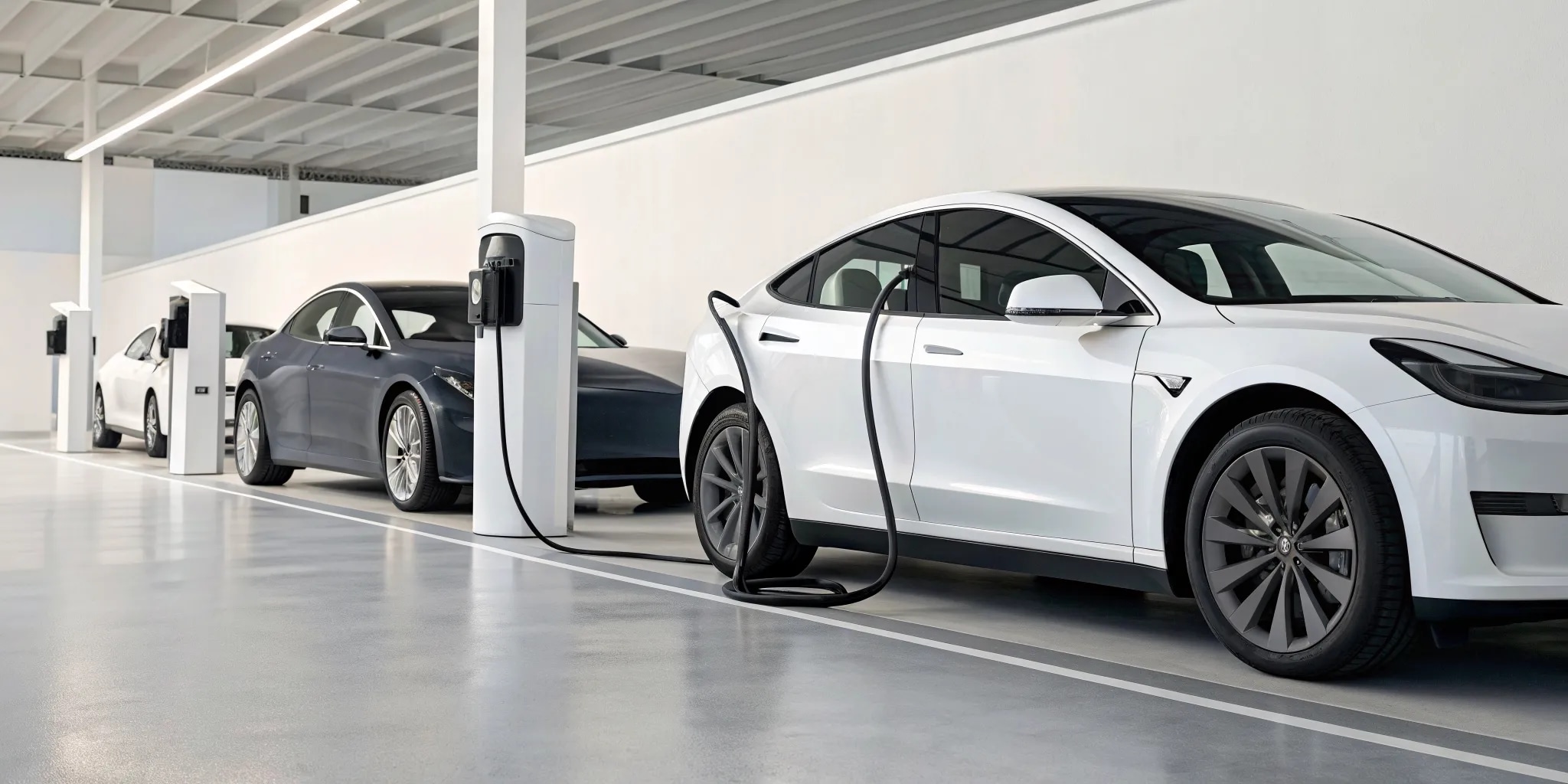
Driving a Tesla Model 3 or a Ford Mustang Mach-E feels like you’re driving the future. The silent, powerful acceleration and high-tech interiors are an incredible experience. While these cars might seem out of reach when they’re brand new, the used market changes the game completely. It’s your ticket to getting behind the wheel of a premium vehicle without the premium price. This guide is all about making that dream a reality. We’ll show you how to find these exciting models and other great options, turning your search for an affordable used EV in DFW into a successful and exciting purchase.
Key Takeaways
- Look beyond the sticker price for true savings: A used EV offers a major financial advantage by letting you skip the steepest depreciation, and it continues to lower your costs over time with significant savings on fuel and maintenance.
- Make the battery health report your top priority: The battery is the most important part of any EV, so requesting a "State of Health" report is essential. This gives you a clear picture of the car's expected range and provides a solid foundation for negotiating a fair price.
- Match the car's range to your DFW lifestyle: You don't need the longest-range model for most daily driving in Dallas, Plano, or Frisco. Assess your typical commute to find a used EV that fits your needs perfectly, which can save you thousands.
DFW's Best Used EVs Under $30K
Finding a great electric vehicle in Dallas doesn't have to mean spending a fortune. The used EV market is full of fantastic options that bring you all the benefits of electric driving, like instant torque and zero emissions, without the new-car price tag. If your budget is around $30,000, you're in a sweet spot. You can find reliable commuters, stylish sedans, and even some performance-oriented models. Let's look at some of the best used EVs you can find right here in the DFW area that deliver serious value for your money.
The Nissan Leaf: Your Most Affordable Entry Point
If you're looking for the most budget-friendly way to go electric, the Nissan Leaf is often the first car that comes to mind. It's a pioneer in the EV space and makes a fantastic city car or daily commuter. You'll find plenty of them on the used market, making it easy to find one that fits your needs. It's helpful to understand what you should know before you buy a used electric vehicle, especially regarding the battery cooling system on older Leaf models. A pre-purchase inspection can give you a clear picture of its condition. For many DFW drivers, the Leaf is the perfect, no-fuss entry into EV ownership.
The Chevrolet Bolt EV: The Best Overall Value
For the best all-around value, it's hard to beat the Chevrolet Bolt EV. It packs an impressive amount of range into a practical, compact package. Many models from 2022 and newer offer up to 259 miles on a full charge, which is more than enough for a week of commuting around Dallas and its suburbs. Inside, you get modern tech like Apple CarPlay and a suite of safety features that make driving easier and safer. The Bolt proves you don't have to compromise on range or features to get an affordable EV. It’s a smart, practical choice that feels anything but basic.
The Tesla Model 3: Premium Features for Less
Dreaming of a Tesla but thought it was out of reach? Think again. Early models of the Tesla Model 3 are now comfortably landing under the $30,000 mark, making it one of the most exciting options on the used market. You get the minimalist interior, the big touchscreen, and that signature instant acceleration that Teslas are known for. Plus, you get access to the extensive Supercharger network for easy road trips out of DFW. Buying a used Model 3 is a great way to get a premium EV experience without the premium price tag, giving you a taste of the future of driving.
The Hyundai Ioniq Electric: A Reliable and Efficient Choice
Hyundai has built a solid reputation for making reliable, efficient, and well-designed cars, and the Ioniq Electric is no exception. While its sibling, the Ioniq 5, gets a lot of headlines as an EV of the Year award winner, the original Ioniq Electric is a fantastic and often overlooked used EV. It's incredibly efficient, meaning you'll get more miles out of every charge. It’s a comfortable and straightforward car that’s perfect for anyone who wants a dependable EV without a lot of fuss. With Hyundai's track record for quality, you can feel confident you're getting a car that's built to last.
The Ford Mustang Mach-E: Where Performance Meets Practicality
If you need an EV that can handle family duties but still want something that's fun to drive, the Ford Mustang Mach-E is a top contender. This all-electric SUV combines iconic Mustang styling with the practicality of four doors and a spacious cargo area. It's a great fit for DFW families who need room for groceries, sports gear, or weekend getaway luggage. The Mach-E offers a comfortable ride and a high-tech interior centered around a large touchscreen. It’s one of the few family-friendly EVs that truly delivers both excitement and everyday usability.
Where to Find the Best Used EV Deals in DFW
Finding the right used electric vehicle in the Dallas-Fort Worth area can feel like a huge task, but the growing market means you have more options than ever before. The key is knowing where to look. Your perfect EV could be waiting on a local dealership lot, listed on a massive online marketplace, or even for sale by a private owner in your neighborhood. Each path offers different benefits, whether you prioritize a wide selection, a warranty, or the lowest possible price.
Think of your search in a few key stages. First, you can connect with local specialists who curate their inventory and can answer your DFW-specific questions. Next, you can cast a wider net with online search tools to compare prices and models across the metroplex. You’ll also want to understand the difference between a standard used car and a certified pre-owned one, as that label can offer significant peace of mind. Finally, weighing the pros and cons of buying from a dealership versus a private seller will help you decide which route feels right for you. Let’s walk through each of these options.
Auto Web Expo: Your Local DFW EV Specialist
When you’re looking for a pre-owned luxury EV, starting with a local specialist like Auto Web Expo is a smart move. Instead of sifting through countless listings, you get a curated selection of high-quality vehicles from brands like Tesla, BMW, and Mercedes-Benz. Our team knows the DFW market and can guide you to a car that fits your lifestyle, whether you’re commuting from Plano to Dallas or running errands in Frisco.
Working with a local dealership means you can see, touch, and test drive the cars you’re interested in. Plus, you have an expert on hand to answer all your questions about battery health, charging, and available features. We handle all the financing and paperwork, making the entire process smooth and straightforward.
Top Online Marketplaces to Check
If you want to see the full scope of what’s available, online marketplaces are your best friend. Websites like CarGurus and TrueCar pull together thousands of used electric car listings from dealerships and private sellers all over the DFW area. The best part is their powerful search filters. You can narrow down your options by price, mileage, brand, specific features, and more, all from your couch.
These platforms are fantastic for the research phase. You can easily compare different models, see what the average market price is, and get a feel for what you can afford. Once you find a few contenders, you can then decide whether to visit a dealership or contact a private seller for a closer look.
Should You Consider a Certified Pre-Owned EV?
You’ll often see the term "Certified Pre-Owned" (CPO) when browsing listings. A CPO vehicle isn’t just any used car; it’s one that has passed a rigorous, multi-point inspection set by the manufacturer and comes with a factory-backed warranty. For an EV, this is a huge plus. The inspection typically includes a thorough check of the battery’s health and charging systems, which are the most critical components.
While a CPO EV might cost a little more upfront, the included warranty provides valuable peace of mind against unexpected repairs. It’s a great middle ground between buying new and buying a standard used car, giving you a like-new experience with a lower price tag.
Buying from a Private Seller vs. a Dealership
Deciding between a private seller and a dealership often comes down to your comfort level with risk and convenience. You might find a lower price from a private seller, but the responsibility for vetting the car falls entirely on you. You’ll need to arrange for an independent inspection, handle the title transfer, and navigate the sale without any warranty or post-purchase support.
A dealership, on the other hand, offers a more structured and secure experience. The vehicles are typically inspected, serviced, and detailed before being listed for sale. You also gain access to financing options, the ability to trade in your current car, and the protection of a potential warranty. Knowing the key things to check on a used EV is important, and a reputable dealer can provide that history and assurance.
Your Used EV Inspection Checklist
Buying a used electric vehicle is an exciting move, but it comes with a slightly different inspection process than you might be used to with gas-powered cars. The core components are different, so your focus needs to shift. Walking through a dealership lot, it’s easy to get swept up in the sleek designs of a Tesla or a Mustang Mach-E, but a careful inspection is what ensures you drive away with a reliable vehicle. This checklist covers the EV-specific items you’ll want to examine closely to make sure you’re getting a great car that will serve you well on the roads of Dallas, Plano, and beyond. Taking a few extra minutes to check these key areas can save you from headaches down the road and give you total peace of mind in your purchase.
Test the Battery Health and Range
The battery is the single most important (and expensive) component of an EV. Its health directly impacts your car's range and overall performance. Think of it as the heart of the vehicle. A battery's ability to hold a charge degrades over time, so you need to know its current capacity. Ask the dealership for a "State of Health" (SOH) report, which shows the battery's condition as a percentage of its original capacity. A healthy used EV should still have a high SOH. This report gives you a clear picture of the expected range and helps you compare different vehicles accurately.
Check the Charging Port and Cables
Next, give the charging equipment a thorough look. Inspect the vehicle's charging port for any signs of damage, like bent pins or cracks in the housing. If the seller includes a mobile charging cable, check it for fraying, cuts, or damage to the plug. The best way to confirm everything works is to test it. Drive the car for a bit to use some of the battery, then plug it into a charging station. This confirms the car is accepting a charge properly. It’s a simple step that verifies one of the car’s most essential functions is in good working order before you commit to buying.
Review Software and Recall History
EVs are basically computers on wheels, and their software is constantly evolving. Check the vehicle’s infotainment screen to see what software version it’s running. Newer updates can include performance improvements, new features, and critical security patches. Just as important is the recall history. Like any car, EVs can have recalls for safety issues. You can easily check for any open recalls using the car’s Vehicle Identification Number (VIN) on the National Highway Traffic Safety Administration (NHTSA) website. A reputable dealership should have already addressed any recalls, but it’s always smart to verify for yourself.
Ask for the Service Records
While EVs don't need oil changes, they still require regular maintenance for things like brakes, tires, and battery coolant. Asking for the vehicle's service records will show you how well the previous owner cared for it. A complete history is a great sign. You should also get a comprehensive vehicle history report from a service like CARFAX or AutoCheck. This report provides crucial details about past ownership, accident history, and title status. It’s a standard part of any used car purchase and gives you a complete overview of the car’s life before it reached the dealership lot.
How to Get the Best Price on a Used EV
Finding a great deal on a used EV is about more than just good timing. It’s about understanding how these unique vehicles lose value, knowing the market, and walking into a negotiation with the right information. When you do your homework, you can feel confident that you’re not just getting a fair price, but a fantastic one. Think of it as a strategy: you learn the game, you prepare your moves, and you drive away a winner.
Ready to become a savvy EV buyer? Let’s break down the key steps to securing the best possible price on your next electric car in the DFW area. These strategies will help you identify the right car at the right price and give you the confidence to close the deal.
How EV Depreciation Works
Like any car, an electric vehicle starts to lose value the moment it’s driven off the lot. But with EVs, there’s a specific sweet spot you want to find. The goal is to buy a used EV that has already gone through its steepest depreciation period but is still covered by its original battery warranty. This is typically around the three-to-four-year mark. You get significant savings compared to a new model without taking on the risk of an aging battery. By letting the first owner absorb that initial drop in value, you position yourself for a much better deal. Understanding this balance is the first step to making a smart purchase.
Compare Market Values Across Platforms
The used EV market in Dallas is packed with options, from Tesla and BMW to Ford and Hyundai. With so much inventory, prices can vary significantly from one seller to the next. Before you get serious about one car, spend time comparing values across different platforms. Check listings on dealership websites like Auto Web Expo and browse major online marketplaces to see what electric cars are for sale in the area. This research gives you a clear benchmark for what your desired car is actually worth in the DFW area. When you know the going rate, you can instantly spot a great deal and avoid overpaying.
Do EV Prices Change with the Seasons in DFW?
You might be wondering if there’s a “best” time of year to buy a used EV in Texas. While traditional car sales sometimes see seasonal dips, the DFW market for used electric cars is large and consistently supplied. This means you can find competitive pricing year-round. Instead of waiting for a specific season, focus on market conditions. Pay attention to new model releases, which can cause prices for older versions to drop. Holiday sales events at dealerships can also present opportunities, but a good deal is always available if you’re actively looking.
Negotiation Tips That Actually Work
Negotiating doesn’t have to be intimidating. The key is to base your offer on facts, not feelings. The most powerful tool in your arsenal is a battery health report. A detailed report showing the battery's current capacity gives you incredible leverage. If the health is lower than average for its age, you have a solid reason to ask for a lower price. Combine this with your market research on comparable vehicle prices. When you can present a calm, informed case for your offer, you’re not just haggling; you’re having a logical conversation about the car’s true value.
How to Finance Your Used EV
Once you’ve found the perfect used EV, the next step is figuring out how to pay for it. Financing can feel like the most intimidating part of the car-buying process, but it doesn’t have to be. Understanding your options is the best way to feel confident and get a deal that works for your budget. The process for financing a used EV is very similar to financing any other car, but there are a few nuances worth knowing.
Getting your financing in order involves comparing different types of loans, knowing where your credit stands, and understanding how a down payment can work in your favor. It’s about finding a monthly payment that fits comfortably into your life without stress. Whether you have a perfect credit history or are working on building it, there are solutions available. Our finance team helps people across the DFW area every day, and we've seen it all. We'll walk through the key differences between loan types, what lenders are looking for in a credit score, and how putting some money down upfront can save you a lot in the long run. Let’s get these details sorted so you can focus on the fun part: driving your new-to-you EV.
Traditional Auto Loans vs. EV-Specific Financing
When you finance a vehicle, you’ll most likely use a traditional auto loan. These are straightforward loans offered by banks, credit unions, and dealership finance partners that can be used for any type of car, gas or electric. They are the most common and widely available option. You might also hear about EV-specific financing. While these often come with special incentives for new vehicles, the benefits for used EVs are less direct. However, some lenders are becoming more knowledgeable about electric cars and may offer competitive terms because they better understand the vehicle's value. The best approach is to compare all your options. Our finance team can help you look at offers from different lenders to see whether a traditional or more specialized loan is the right fit for you.
What Credit Score Do You Need?
Your credit score is a major factor that lenders use to determine your loan eligibility and interest rate. While there’s no single magic number, a higher score generally helps you secure better terms. Most lenders offer financing to buyers with scores in the mid-600s and up. If your score is over 700, you’ll likely qualify for the most competitive interest rates available. Don’t be discouraged if your credit isn’t perfect. Many lenders work with buyers across the credit spectrum. The best first step is to know your credit score before you start shopping. This gives you a clear picture of where you stand and helps you set realistic expectations for your loan terms.
How a Down Payment Can Get You Better Terms
Making a down payment is one of the smartest moves you can make when financing a used EV. Putting money down upfront reduces the total amount you need to borrow, which has several great benefits. First, it lowers your monthly payments, making them more manageable. Second, it reduces the total interest you’ll pay over the life of the loan, saving you money in the long run. A substantial down payment also shows the lender that you’re a serious, financially responsible buyer. This can reduce their risk and often helps you qualify for a better interest rate, even if your credit score isn't top-tier. Use an auto loan calculator to see how different down payment amounts can impact your monthly payment and total cost.
Common Used EV Myths, Debunked
Switching to an electric vehicle can feel like a big step, and it’s easy to get tangled up in myths and misconceptions, especially when you’re looking at pre-owned models. Let's clear the air and tackle some of the most common worries people have about buying a used EV in the DFW area. The reality is often much better than the rumors suggest, and with a little information, you can feel confident you’re making a smart choice for your wallet and your commute.
The Truth About Battery Replacement
Let’s address the biggest concern right away: the battery. You’ve probably heard horror stories about the cost of replacing an EV battery. While it’s true that a full replacement can be expensive, it’s also incredibly rare. The batteries that power electric cars are designed to last a long time, much longer than the standard 12-volt battery in a gas-powered car. Most manufacturers also offer long warranties, often for eight years or 100,000 miles. Instead of worrying about a full replacement, focus on checking the battery’s health and capacity, which will give you a clear picture of its remaining life.
Is an Older EV's Tech Outdated?
It’s easy to assume that a used EV will feel like a flip phone in a smartphone world, but that’s usually not the case. Technology in the auto industry moves fast, and features that were once exclusive to high-end luxury models quickly become standard. You’ll find that many used electric cars still come with advanced driver assistance features, large touchscreens, and seamless smartphone integration. You can get a car that feels modern and packed with helpful tech without paying that new-car premium. It’s one of the best parts about getting a pre-owned luxury EV.
Will a Used EV Cost More to Insure?
Insurance costs are a valid question for any car purchase. Some sources note that insuring an electric car can cost slightly more than a similar gas-powered vehicle, often due to the specialized parts and repair costs. However, it’s important to look at the total cost of ownership. Any potential increase in your insurance premium is often easily offset by the significant savings you’ll see on fuel and maintenance. You’re trading weekly gas station trips for charging at home and saying goodbye to oil changes for good. Always get a quote before you buy, but don’t let this myth scare you away from major long-term savings.
How to Handle Range Anxiety in Older Models
"Range anxiety," or the fear of your battery dying before you reach a charger, is a common worry, especially with older models that may have less range than the newest EVs. But thinking of a used EV as a huge risk is a mistake. The key is to match the car to your lifestyle. Consider your daily commute in the DFW metroplex. Do you mostly drive around Plano or Frisco, or do you have a long haul into Dallas every day? A used EV with a 150-mile range is more than enough for most daily driving. By checking the battery’s health during your inspection, you’ll know exactly what to expect and can plan your trips with confidence.
Where to Charge Your EV in the DFW Area
One of the biggest questions people have when considering an electric vehicle is, "Where will I charge it?" Fortunately, if you live in the Dallas-Fort Worth area, you have plenty of convenient options. The charging infrastructure here is robust and growing every day. Whether you’re at home, at the office, or out running errands, keeping your EV powered up is simpler than you might think. Let's look at the most common ways to charge your car in and around Dallas, Plano, and Frisco.
Find Public Charging Stations in Dallas, Plano, and Frisco
The DFW metroplex is well-covered when it comes to public charging. You’ll find stations at grocery stores, shopping centers, parks, and dedicated charging hubs. Plano alone has nearly 300 public charging station ports, most of which are Level 2 chargers that are perfect for topping up your battery while you're out.
In Frisco, you can find several reliable EV charging stations at familiar spots, making it easy to fit charging into your routine. To find the closest station wherever you are, apps like PlugShare and ChargeHub are incredibly helpful. They show you real-time availability, charger types, and user reviews, so you can pull up and plug in with confidence.
What Does a Home Charger Cost to Install?
For most EV owners, charging at home overnight is the most convenient and cost-effective solution. Waking up to a "full tank" every morning is a huge perk. Installing a Level 2 home charger, which is much faster than a standard wall outlet, typically costs between $500 and $2,000. This price includes the unit itself and professional installation by an electrician.
The final cost depends on the charger you choose and your home's current electrical setup. Think of it as a one-time investment that adds value to your home and simplifies your daily routine. We always recommend getting a couple of quotes from qualified electricians to find the best price for your installation.
Charge Your EV While You Work and Shop
Charging isn't just limited to your home or dedicated stations. More and more businesses across DFW are adding EV chargers for their customers and employees. This trend of "opportunity charging" means you can add miles to your range while you’re at work, grabbing lunch, or shopping for groceries.
Companies like EVgo have multiple charging locations near Plano at places like CityLine Market and local banks. This integration makes owning an EV incredibly practical. You can accomplish your daily tasks and charge your car at the same time, effectively eliminating any extra stops you might have worried about. It’s just another way that driving an EV fits seamlessly into life in the DFW area.
Why a Used EV Is a Smart Financial Move
Choosing a used electric vehicle is one of the smartest ways to get behind the wheel of a modern, efficient car without the brand-new price tag. The financial benefits go far beyond just the initial sticker price. When you buy a pre-owned EV, you sidestep the steepest depreciation, which means your investment holds its value better over time. Plus, the day-to-day savings on fuel and maintenance start to add up immediately, lowering your overall cost of ownership.
For drivers in the DFW area, this opens up a world of possibilities. You can get into a premium model with all the tech and performance you want for a fraction of what it would cost new. It’s not just about saving money; it’s about making a financially sound decision that pays you back for years to come. By looking at the complete picture, from the purchase price to long-term expenses, you’ll see why a used EV is a savvy choice for your wallet and your commute.
Save Money on the Upfront Cost
The most immediate and obvious advantage of buying a used EV is the lower purchase price. New electric vehicles can be expensive, but letting the first owner absorb that initial cost puts these innovative cars within reach for more buyers. For example, a model like the Chevy Bolt offers an incredible value on the used market. You can find recent models with excellent range, Apple CarPlay, and modern safety features for significantly less than a new one. This upfront saving means you can either pocket the difference or use it to step up to a higher trim level with more features.
Let Someone Else Take the Depreciation Hit
New cars lose a significant portion of their value the moment they leave the lot, and EVs are no exception. By purchasing a used EV that’s a few years old, you let someone else take that initial financial hit. The ideal scenario is finding a vehicle that has already undergone its steepest depreciation but is still covered by its original battery warranty. This allows you to buy a used electric vehicle with confidence, knowing you’re getting a great price without sacrificing the peace of mind that comes with warranty protection for the most important component.
Get a Better EV for Your Budget
Opting for a used EV means your money goes further. Instead of settling for an entry-level new car, your budget might allow for a pre-owned luxury model packed with advanced technology and premium comforts. Many used EVs from brands like Tesla, BMW, and Audi come standard with sophisticated driver-assistance systems, large touchscreens, and high-end interior finishes. This is your chance to get the features and performance you really want without stretching your finances. It’s all about maximizing value and driving home in a car you truly love.
Calculate Your Total Cost of Ownership
The sticker price is just one part of the equation. To understand the full financial benefit of a used EV, you need to consider the total cost of ownership. This includes what you’ll spend on fuel, maintenance, and insurance over the years. With an EV, you’ll save a considerable amount of money by charging at home instead of filling up at the gas station. Maintenance is also simpler and cheaper, with no oil changes, spark plugs, or exhaust systems to worry about. When you add up these long-term savings, the financial case for a used EV becomes even more compelling.
Final Steps: Paperwork and Warranties
You’ve found the perfect used EV, taken it for a test drive, and negotiated a great price. Now you’re in the home stretch! The last part of the process involves handling the paperwork and understanding your warranty options. It might seem like a lot of details, but getting these final steps right ensures you can drive off the lot with complete confidence. Let’s walk through exactly what you need to do to finalize the sale and protect your new investment.
How to Transfer an EV Title in Texas
Finalizing the ownership of your new EV in Texas is a straightforward process. The key is completing the Application for Texas Title and/or Registration, also known as Form 130-U. Both you and the seller will need to sign the original title. The seller should also give you a bill of sale as proof of purchase. Once you have the signed title and completed application, you’ll submit them to your local county tax office. The Texas Department of Motor Vehicles outlines the official process of transferring a vehicle title on its website, which is a great resource if you have specific questions.
Is the Battery Warranty Transferable?
One of the biggest questions people have about used EVs is about the battery warranty, and for good reason. The good news is that for most EVs, the original manufacturer's battery warranty is transferable to the new owner. This is a huge benefit, as it covers the most expensive component of the car. Experts suggest that the ideal used EV is one that has depreciated in price but is still covered by its original battery warranty. Always confirm the warranty status and transfer process for the specific vehicle you're interested in, as this coverage provides significant peace of mind.
Should You Get an Extended Warranty?
An extended warranty can be a smart move, especially when buying a used vehicle. While many used EVs are still covered by their original battery warranty, that coverage will eventually end. An extended warranty provides protection for critical components, like the battery and electrical systems, after the manufacturer's warranty expires. Think of it as an insurance policy against major, unexpected repair bills down the road. It’s a great way to manage your total cost of ownership and ensure you can enjoy your EV without worrying about what-ifs. You can explore different tips for buying a used EV to see if this option is right for you.
Related Articles
Frequently Asked Questions
How can I be sure the battery is still good on a used EV? The battery is the most important part of any EV, so this is the right question to ask. The best way to verify its condition is to request a "State of Health" report from the dealership. This document shows the battery's current capacity as a percentage of its original, new condition. A healthy battery will have a high percentage, which tells you how much range to expect. You should also physically inspect the charging port for damage and test it at a charging station to make sure it works correctly.
Are used EVs really cheaper to own in the long run? Yes, they often are. While the purchase price is one piece of the puzzle, the real savings come from the total cost of ownership. You'll save a significant amount of money by not buying gasoline, and maintenance is much simpler and less expensive since there are no oil changes, spark plugs, or exhaust systems to fix. When you add up the savings on fuel and upkeep over several years, a used EV frequently proves to be a more economical choice than a comparable gas-powered car.
How do I figure out if an older EV has enough range for my life in DFW? The key is to match the car's capabilities to your actual driving habits. Think about your typical week. Do you have a long commute from a suburb like Plano into downtown Dallas, or do you mostly make shorter trips around your neighborhood? Many used EVs with around 150 miles of range are more than sufficient for daily driving in the metroplex. Once you know the battery's health and its estimated range, you can confidently decide if it fits your lifestyle.
Can I get any tax credits for buying a used electric car? You might be able to. There is a federal tax credit specifically for used clean vehicles that meet certain criteria. The vehicle's sale price must be $25,000 or less, and it must be at least two model years older than the current calendar year. There are also income limitations for the buyer. It's a good idea to check the latest rules on the IRS website to see if the specific car you're considering and your own financial situation qualify you for the credit.
What happens after the original battery warranty runs out? This is a common concern, but it doesn't have to be a major risk. Most EV batteries are designed to last well beyond their warranty period. However, for extra peace of mind, you can purchase an extended warranty. This acts like an insurance policy that covers major components, including the battery and electrical systems, after the manufacturer's coverage expires. It's a great way to protect yourself from unexpected repair costs in the future.