
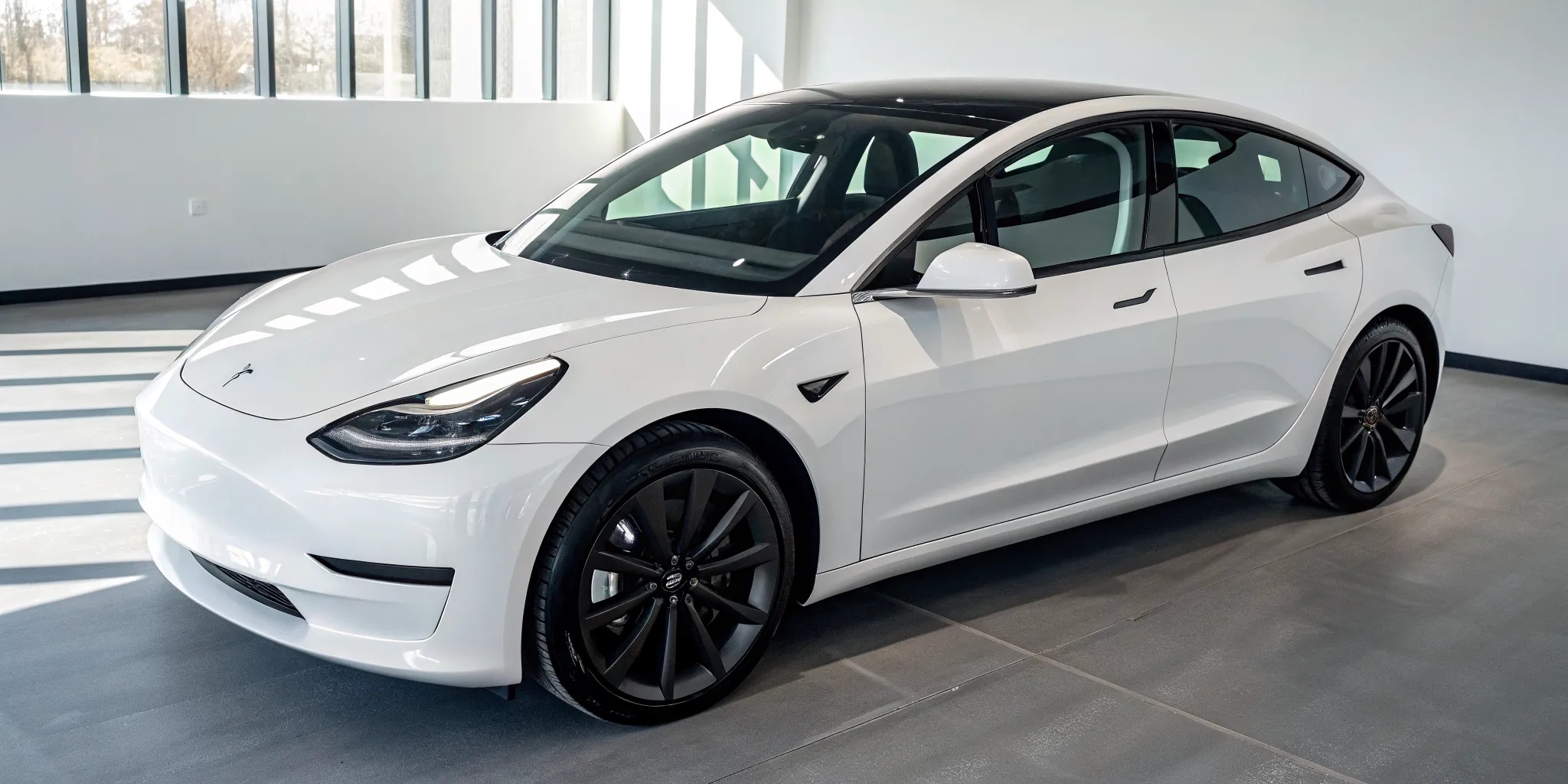
Shopping with a $20,000 budget used to mean choosing between a new economy car or a standard pre-owned sedan. Now, that same budget can get you into a premium electric vehicle packed with cutting-edge technology. Finding a used Tesla Model 3 for sale under 20 000 opens up a world of possibilities, from instant acceleration to significant savings on gas and maintenance. Of course, a deal this good requires a bit of homework. You need to know which model years to target, how to assess battery health, and what common issues to watch for. This article will walk you through everything, ensuring you drive away with a car you love.
Key Takeaways
- Set realistic expectations for a sub-$20k Tesla: You will likely find earlier models from 2018 to 2020 with higher mileage. Prioritize a car with a healthy battery and a solid service history over one with perfect paint.
- A professional inspection is your best investment: Before making an offer, get a battery health report from an EV-savvy mechanic and run a vehicle history report to confirm the car has a clean title, free from salvage or flood records.
- Understand the total cost of ownership: Your final price includes more than the car itself. Factor in long-term savings from fuel and maintenance, the potential $4,000 used EV tax credit, and initial costs like a home charger or a fund for future repairs.
Can You Really Find a Used Tesla Model 3 Under $20k?
The short answer is yes, you absolutely can. As more Teslas hit the road and early models age, finding a Model 3 under the $20,000 mark is no longer a pipe dream, especially right here in the Dallas-Fort Worth area. It’s an exciting price point that makes owning a premium EV more accessible than ever. However, it’s important to go into your search with a clear understanding of what your money gets you. Let’s break down what you can realistically expect.
What to realistically expect for that price
When you’re shopping for a Model 3 in this price range, you’re typically looking at earlier model years, like those from 2018 or 2019. These vehicles will have more miles on them and may show some normal signs of wear and tear, like minor cosmetic blemishes. Think of it less like finding a hidden gem and more like making a smart, informed purchase. You're getting all the core benefits of a Tesla, including the tech, performance, and access to the Supercharger network, at a fraction of the original cost. The key is to manage your expectations and focus on the car's mechanical and battery health over minor imperfections.
Typical mileage you'll find (80,000-140,000 miles)
Don't be alarmed by odometers showing figures between 80,000 and 140,000 miles. While that might seem high for a traditional gasoline car, electric vehicles are built differently. EV powertrains have far fewer moving parts, which means less wear and tear over time. The most important factor isn't the number on the dash but the health of the battery pack, which we'll cover later. A well-maintained Model 3 can still offer excellent performance and reliability even with higher mileage. It's just a matter of finding one that has been cared for properly.
Where to look for the best deals in Dallas-Fort Worth
Your search for the perfect Model 3 in DFW should include a few key places. You can always check Tesla’s official used inventory online, but you’ll often find more competitive pricing and personalized service at independent luxury dealerships. Places that specialize in pre-owned luxury vehicles, like Auto Web Expo, thoroughly inspect their cars and can help you secure financing. This gives you peace of mind that you aren't buying a vehicle with hidden problems. Exploring our pre-owned luxury selection is a great place to start your search for a high-quality, budget-friendly Tesla right here in the Plano and Dallas area.
What to Expect from a $20k Model 3
Finding a Tesla Model 3 for under $20,000 is an exciting prospect, and it's definitely achievable in the Dallas-Fort Worth market. At this price point, you're typically looking at earlier model years, usually from 2018 to 2020, with higher mileage. But don't let that deter you. A used Model 3 doesn't mean you have to compromise on the core Tesla experience. These cars still deliver the sleek design, instant acceleration, and cutting-edge technology that make them so desirable. You'll find a mix of different battery and drivetrain configurations, so it's important to know what you're looking for before you start your search.
The key is to set realistic expectations. A car in this price range will likely show some signs of use, but a well-maintained Model 3 can still feel incredibly modern and provide a fantastic driving experience. You'll get full access to Tesla's extensive Supercharger network for road trips and benefit from the continuous over-the-air software updates that keep the car's features fresh and functional. Think of it as getting a premium electric vehicle with a proven track record, all for the price of a standard new sedan. It’s about finding that perfect balance between price, mileage, and features that fits your life here in DFW.
Standard Range vs. Long Range battery options
One of the first choices you'll face is the battery. The Standard Range and Standard Range Plus models are more common under $20k and offer an EPA-estimated range of around 220 to 263 miles when new. For most daily commutes around Dallas or Plano, this is more than enough. You can easily charge at home overnight and be ready to go. The Long Range models, which can push past 300 miles of range, are less common at this price but are worth looking for if you frequently take road trips to Austin or Houston. Keep in mind that battery degradation is normal, so you should check the actual range of the specific car you're considering.
Rear-Wheel Drive vs. All-Wheel Drive performance
Next, you'll need to decide between Rear-Wheel Drive (RWD) and All-Wheel Drive (AWD). The RWD models are often more affordable and offer that classic, sporty driving feel. They are perfectly capable for Texas roads. However, the dual-motor AWD versions provide better traction and stability, which can be a real confidence-booster during those sudden DFW downpours or the rare icy morning. The AWD models also tend to be quicker off the line, adding to the fun factor. Your choice really comes down to balancing budget with your desire for all-weather performance and acceleration.
Autopilot features and over-the-air updates
One of Tesla's most talked-about features is Autopilot. Most used Model 3s will come with the standard Autopilot package, which includes traffic-aware cruise control and autosteer. This system helps with steering, accelerating, and braking within your lane, making traffic on I-35 or the Dallas North Tollway much more manageable. It's important to remember this is a driver assistance feature, not a self-driving system. A huge perk is that Teslas receive free over-the-air software updates, so even an older model gets new features and improvements over time, keeping your car feeling current.
A look at the interior tech and premium features
Inside, the Model 3’s minimalist design is centered around a large touchscreen that controls almost everything, from navigation to climate. Even at the sub-$20k price point, you can find models loaded with premium features. Many come with the Partial Premium or full Premium Interior, which can include heated front and rear seats, an immersive sound system, and an expansive glass roof. You'll also find standard features like navigation, Bluetooth connectivity, and a built-in dashcam. It’s this combination of luxury and technology that makes a used Model 3 feel like a great value compared to other cars in the same price range.
How to Check the Battery's Health
When you’re looking at a used Tesla Model 3, the battery is the star of the show. It’s the most important and expensive component, so its health directly affects the car's value, performance, and your overall ownership experience. A healthy battery means you get the range and reliability you expect, while a degraded one could lead to frustration and costly repairs down the road.
Think of it like checking the engine and transmission on a traditional car, but with a bit more tech involved. You’ll want to understand the difference between normal, expected battery aging and a real red flag. A little bit of homework here can save you thousands of dollars and ensure you drive away in a Model 3 that you’ll love for years to come. Here’s how to get a clear picture of the battery’s condition before you buy.
Checking the current battery capacity and range
The first and easiest check you can do is right from the driver’s seat. When the car is charged to 100%, the screen will display its estimated maximum range. You’ll want to compare this number to the original EPA-estimated range for that specific Model 3 year and trim. A small decrease is perfectly normal; all EV batteries experience some degradation over time. However, a significant drop could signal a problem. This simple step gives you a quick snapshot of the battery's current state and helps you understand its health at a glance.
Why you need a professional battery health report
While the range display is a good starting point, it doesn’t tell the whole story. For true peace of mind, a professional battery health report is a must. This detailed diagnostic test goes much deeper, checking for issues like imbalanced cells that wouldn't be obvious during a test drive. An independent report provides documented proof of the battery’s condition, which is invaluable for confirming you’re making a smart purchase. Think of it as a CARFAX report specifically for the most critical part of your EV. A pre-purchase inspection from an EV-savvy technician is well worth the investment.
Normal degradation vs. major red flags
It’s important to know what’s normal and what’s not. A Model 3 with 100,000 miles will naturally have less range than a new one. This gradual capacity loss is expected. However, certain factors can speed up this process, like constant use of DC fast-chargers, a history of being driven in extreme heat (hello, Texas summers!), or use as a rideshare vehicle. Major red flags include warning messages on the dash, a battery that won’t charge to 100%, or a range that drops dramatically and unexpectedly. These could point to serious issues that are expensive to fix.
How to budget for a potential battery replacement
Even with a healthy battery, it’s smart to plan for the unexpected. When buying any used car, setting aside a repair fund is a good rule of thumb. If your absolute maximum budget is $20,000, consider looking for cars priced closer to $17,000. This leaves you with a $3,000 cushion for things like new tires, minor repairs, or any battery-related service that might pop up. While a full battery replacement is rare and expensive, having a financial safety net makes the entire buying process much less stressful.
Common Problems to Watch For in a Used Model 3
Getting a great deal on a used Tesla Model 3 is exciting, but it’s smart to go in with your eyes open. Like any car, the Model 3 has a few quirks and common issues that are worth knowing about, especially in earlier model years that are more likely to fall into the sub-$20k price range. Knowing what to look for can save you from headaches and unexpected repair bills down the road.
Think of this as your pre-flight checklist. Before you fall in love with the sleek design and instant acceleration, take a moment to inspect these specific areas. A thorough check can be the difference between driving home in a dream car and inheriting someone else's problems. We’ll walk through the most frequently reported issues, from suspension noises to software bugs, so you can make your purchase with confidence.
Suspension issues in pre-2020 models
If you're looking at a Model 3 built before 2020, pay close attention to the suspension. Some early models are known for developing squeaks and creaks, particularly from the front upper control arms. This isn't just an annoying noise; it can also point to premature wear that might lead to a costly repair. During your test drive, listen carefully for any unusual sounds when going over bumps or making tight turns. Because this is a well-documented issue, any mechanic familiar with EVs should be able to give the suspension system a thorough inspection to confirm everything is in good shape.
Door handle malfunctions and interior quality concerns
The Model 3’s flush door handles look futuristic, but they can sometimes be a source of trouble. Make sure you test every single one. They should present themselves smoothly when you press them and retract fully when the door is closed. Sticking handles can be a frustrating inconvenience. Inside, check for signs of premature wear. The vegan leather on the steering wheel and seats in earlier models has been known to bubble or peel. While this is a cosmetic issue, it’s something you’ll want to factor into the car’s overall condition and price.
Charging port problems and software glitches
The charging port is your Tesla’s lifeline, so you want to be sure it’s working perfectly. Open and close the charge port door a few times to ensure the mechanism isn’t sticking. It’s also a good idea to plug it into a charger to confirm it connects and starts charging without any errors. While you’re in the driver’s seat, spend some time with the large central touchscreen. Test everything you can: the navigation, climate controls, windows, and music. While Tesla’s software is generally reliable, you’ll want to watch for any software glitches or a screen that seems laggy or unresponsive.
How to spot title issues like salvage or rebuilt vehicles
This is a big one. If a deal on a Model 3 seems too good to be true, it might have a salvage or rebuilt title. These cars have been declared a total loss by an insurance company due to an accident, flood, or other major damage. While they can be repaired and put back on the road, Tesla can permanently disable Supercharging access and software updates on vehicles it deems unsafe. This would be a massive drawback. Always run a vehicle history report to check the title status. A clean title is essential for having the full Tesla ownership experience.
Your Pre-Purchase Inspection Checklist
You’ve found a Model 3 that fits your budget. Now comes the most important part: the inspection. Think of yourself as a detective looking for clues about the car's past. A thorough check can be the difference between driving home in a dream car and inheriting someone else's problems. This isn't just about kicking the tires; it's about knowing exactly what you're buying. Let's walk through the essential steps to make sure your affordable Tesla is also a reliable one.
Checking the exterior and interior condition
Start with a slow walk around the car. Look for inconsistent panel gaps between the doors, hood, and trunk, as this can be a sign of past repairs. Check the paint for any mismatched colors or textures. Inside, it's time to touch everything. As you get comfortable in the driver's seat, test all the functions. Roll the windows up and down, check the door handles, and play with the massive center screen. Make sure the heating and AC work properly, because you should check all functions, as even small electronic issues can add up to big repair bills. Don't forget to inspect the seats for excessive wear and tear.
Verifying service history and maintenance records
While Teslas don't need oil changes, they still have a maintenance history. Ask the seller for any and all service records. Much of a Tesla's history is digital, so see if they can show you the service section in the Tesla app. This is where you can spot recurring problems that might not show up on a vehicle history report. You'll want to specifically look for any notes on past battery or charging problems, suspension work, or electronic glitches. A well-documented service history is a great sign that the previous owner took good care of the car and addressed issues as they came up.
Running a CARFAX for accident and flood damage
A vehicle history report is non-negotiable. Reputable dealerships will often provide a free CARFAX report so you can learn about the car's past before you even see it. This report is your first line of defense against major issues. Look carefully for any reported accidents, signs of flood damage, or odometer discrepancies. A salvage or rebuilt title is a major red flag and can make the car difficult to insure and resell. While a clean report is a great start, remember that not all incidents get reported, which is why a physical inspection is still so important to confirm the car's condition.
Why a professional EV inspection is a must
Even if you're a car expert, I highly recommend getting a professional pre-purchase inspection from a mechanic who specializes in electric vehicles. They have the tools to check the components that matter most, especially the battery. Ask them to generate a professional battery health report. This test will show you the battery's current maximum range and how it compares to its original capacity. This is the best way to get a clear picture of its degradation. Since the battery is the most expensive part of the car, this step gives you peace of mind and helps you avoid a five-figure surprise later on.
Why Choose a Used Tesla Model 3 Over Other Cars?
When you're shopping for a pre-owned luxury car in the Dallas-Fort Worth area, you have plenty of options. So why does a used Tesla Model 3 stand out? Beyond the sleek design and instant acceleration, the Model 3 offers a unique combination of long-term value, cutting-edge technology, and financial perks that you won’t find in a traditional gas-powered car. It’s not just about buying an electric vehicle; it’s about investing in a smarter, more modern driving experience.
Understanding the lower operating and maintenance costs
One of the biggest adjustments you’ll make with a Model 3 is driving right past the gas station. The savings on fuel alone can be substantial, but the real financial win comes from reduced maintenance. Electric vehicles have far fewer moving parts than their gasoline counterparts. That means no more oil changes, spark plug replacements, or exhaust system repairs. As many owners report, your most common maintenance tasks will likely be replacing tires and refilling windshield wiper fluid. When you compare that to the often-expensive upkeep of other pre-owned luxury brands, the long-term cost of ownership for a Model 3 looks incredibly attractive.
A breakdown of its advanced safety and tech features
Stepping inside a Model 3 feels like stepping into the future, even in a used model. The minimalist interior is dominated by a large touchscreen that controls everything from navigation to climate. Many used Model 3s come loaded with premium features like heated seats, a heated steering wheel, and a premium sound system. Plus, Tesla’s over-the-air software updates mean the car you buy today can get new features and improvements tomorrow, keeping it feeling fresh. Most importantly, the Model 3 consistently earns top safety ratings from agencies like the IIHS, giving you peace of mind on busy DFW highways.
How the Model 3 holds its resale value
While you can find great deals on used Model 3s, they also hold their value remarkably well compared to many other luxury sedans. This strong resale value is a sign of high demand and confidence in the brand. It’s possible to find a 2021 or 2022 model for under $20,000, though it will likely have higher mileage. This shows that even with miles on the odometer, the car remains a desirable asset. When you eventually decide to sell or trade it in, you can expect to get a better return on your investment than you might with a comparable gas-powered luxury car, making it a financially sound choice.
Environmental benefits and available tax credits
Driving a Model 3 means producing zero tailpipe emissions, which is a great feeling for anyone looking to reduce their environmental impact. But the benefits aren’t just for the planet; they’re for your wallet, too. A huge advantage of buying a used EV is the potential to claim a federal tax credit. The Used Clean Vehicle Credit can give you up to $4,000 back on your purchase, as long as the car’s sale price is $25,000 or less and you meet the income requirements. This credit can make a slightly higher-priced Model 3 fall comfortably within your budget, making it an even more compelling deal.
How to Finance Your Used Tesla
Once you’ve found the perfect used Tesla Model 3, the next step is figuring out how to pay for it. Financing an electric car might sound complicated, but it’s just as straightforward as financing any other vehicle. The process is all about finding a loan that fits your budget so you can get behind the wheel with confidence. With a little preparation, you can secure a great deal and take advantage of some unique perks available only to EV buyers. Let’s walk through the key steps to financing your used Tesla.
Auto loan options for luxury electric cars
You have several options when it comes to getting a car loan. Many banks and credit unions offer competitive rates, and some even have special electric vehicle loans designed to encourage green driving. It’s always a good idea to shop around and compare offers from different lenders to see who can give you the best terms.
Another great option is financing directly through the dealership. Here at Auto Web Expo, our finance team works with a network of lenders to find a loan that works for you, saving you the time and effort of searching on your own. Getting pre-approved for a loan before you start shopping can also give you a clear budget and more confidence during the buying process.
What to know about credit scores and down payments
Your credit score is one of the biggest factors that lenders consider. A higher score generally shows you have a history of responsible borrowing, which can help you qualify for a lower interest rate. A lower rate means a smaller monthly payment and less money paid in interest over the life of the loan. Before you apply, it’s smart to check your credit report and see where you stand.
A down payment also plays a huge role. Putting more money down upfront reduces the total amount you need to borrow. This not only lowers your monthly payments but can also help you secure better electric car financing resources. A solid down payment shows lenders you’re invested in the purchase, which can make your application even stronger.
The benefits of a certified pre-owned warranty
Buying a used car can sometimes feel like a gamble, but a certified pre-owned (CPO) warranty offers valuable peace of mind. When a vehicle is CPO, it means it has passed a rigorous multi-point inspection and comes with an extended warranty from the manufacturer or dealership. For a technologically advanced car like a Tesla, this is a huge plus.
This warranty can cover major components, including the battery and drive unit, protecting you from unexpected and expensive repair bills down the road. While not all used Teslas under $20k will be CPO, finding one that is can add a layer of security to your investment, making it a smart part of your overall guide to auto financing.
How to qualify for the $4,000 used EV tax credit
One of the best perks of buying a used Tesla is the potential to get money back from the government. You may be eligible for a federal tax credit of up to $4,000 on your purchase. To qualify, the Model 3 must have a sale price of $25,000 or less and be purchased from a licensed dealer, like Auto Web Expo.
There are also income limits for the buyer, so you’ll need to make sure you fall within the required threshold. This used EV tax credit can significantly lower the effective cost of your car, making that Model 3 an even better deal. Be sure to check the latest IRS guidelines and talk with a tax professional to confirm your eligibility.
Where to Find a Used Model 3 in the DFW Area
Once you know what to look for in a used Tesla Model 3, the next step is figuring out where to find one here in the Dallas-Fort Worth area. Your experience can vary quite a bit depending on whether you go to a branded dealership, a private seller, or a specialized independent dealer. Each path has its own set of benefits and drawbacks, so it’s smart to know what you’re getting into before you start scheduling test drives. Let’s break down the most common places to find your next EV and what you can expect from each.
Tesla dealerships vs. independent luxury dealers
Your first instinct might be to check with Tesla directly. Their dealerships often have a certified pre-owned (CPO) inventory, which gives you the peace of mind that comes with a manufacturer's inspection and warranty. This is a solid, safe option, but it might not be where you find the most competitive price. Independent luxury dealers, on the other hand, are experts in the broader pre-owned market. We can often offer more aggressive pricing and have a diverse inventory that isn't limited to a single brand. You can find a large selection of used Model 3s across the market, and a good independent dealer will have already done the work of finding the best ones.
The pros and cons of online platforms and private sellers
Online marketplaces like Facebook Marketplace or Craigslist can seem tempting, as you’ll often see the lowest prices listed there. Buying directly from a private seller means you can sometimes get a great deal by cutting out the middleman. However, this route comes with the most risk. You won't get a warranty, and the responsibility for vetting the car’s history and condition falls entirely on you. As some users suggest in online forums, it's often safer to stick with established dealerships. If you do consider a private sale, a thorough pre-purchase inspection from a qualified EV mechanic isn't just recommended, it's essential.
Exploring Auto Web Expo's pre-owned luxury selection
For buyers right here in the DFW area, your best bet is to work with a local dealer who specializes in high-quality used vehicles. At Auto Web Expo, we pride ourselves on our curated selection of pre-owned luxury vehicles, including sought-after models like the Tesla Model 3. Shopping with us combines the best of both worlds. You get competitive pricing that often beats major franchise dealers, plus the confidence of knowing every car on our lot has been thoroughly inspected by our team. You can see the car in person, talk to our knowledgeable staff, and handle financing all in one place, making your search for the perfect Model 3 simple and stress-free.
Final Steps Before You Buy
How to create a total cost of ownership budget
The sticker price is just one piece of the puzzle. To get a true picture of what you'll spend, you need to calculate the total cost of ownership. This includes the vehicle's price plus sales tax, title, and registration fees. For an EV like the Model 3, you should also factor in the cost of installing a home charging station if you don't already have one. Thinking through these additional expenses upfront helps you create a realistic budget and prevents any last-minute financial stress. It’s the best way to make sure you can comfortably afford your new-to-you Tesla.
Why you should set aside funds for potential repairs
Even the most well-maintained used car can have unexpected needs. That’s why it’s smart to build a financial cushion into your budget. For example, if your absolute maximum is $20,000, consider looking for a Model 3 priced around $17,000 or $18,000. This leaves you with a few thousand dollars for things that might pop up, like a new set of tires or a minor repair. Having this fund set aside gives you incredible peace of mind, knowing you’re prepared for whatever comes your way after you drive off the lot.
Tips for negotiating and timing your purchase
Finding the perfect deal often comes down to good timing and a bit of strategy. Start by checking Tesla’s official website for their certified used inventory to get a baseline for pricing. Then, explore reputable independent dealerships in the DFW area. While private sellers can have low prices, they often come with more risk. When you find a car you love, look for value indicators like a "Great Deal" badge on the listing. A well-priced Model 3 won't last long, so be ready to act when you find the right one in our pre-owned luxury selection.
Related Articles
Frequently Asked Questions
Should I be worried about the high mileage on a Model 3 under $20k? It's natural to hesitate when you see a car with over 100,000 miles, but it's a different story with electric vehicles. Teslas have far fewer moving parts in their powertrain compared to gas cars, so high mileage isn't the red flag it used to be. Instead of focusing only on the odometer, you should direct your attention to the battery's health and the car's service history, as these are much better indicators of its future performance.
What's the one thing I absolutely must do before buying a used Model 3? Get a professional pre-purchase inspection from a mechanic who knows electric vehicles. While you can check for cosmetic issues yourself, an expert can run diagnostics on the battery pack to give you a clear report on its health and true range. This single step is the best way to protect your investment and ensure you aren't buying a car with hidden, expensive problems.
Will an older Model 3 feel outdated compared to the new ones? Not at all, and that's one of the best parts of owning a Tesla. The car receives regular over-the-air software updates that add new features, improve performance, and refine the user interface. This means a 2018 or 2019 model can still feel surprisingly current because its software is constantly improving, keeping your tech from feeling stale.
How much extra money should I have ready besides the car's price? It's wise to budget for more than just the sticker price. You'll need to account for sales tax, title, and registration fees. You might also want to factor in the cost of installing a 240-volt outlet at home for faster charging. I also strongly recommend setting aside a "just-in-case" fund of a few thousand dollars for things like new tires or any minor repairs that might pop up.
How do I know if I'll actually get the $4,000 used EV tax credit? The tax credit is a fantastic perk, but it isn't guaranteed for everyone. To qualify, the car's final sale price must be $25,000 or less, and you must buy it from a licensed dealer. Most importantly, you personally have to meet certain income requirements set by the IRS. It's best to check the latest rules on the IRS website to confirm your eligibility before you factor the credit into your budget.