
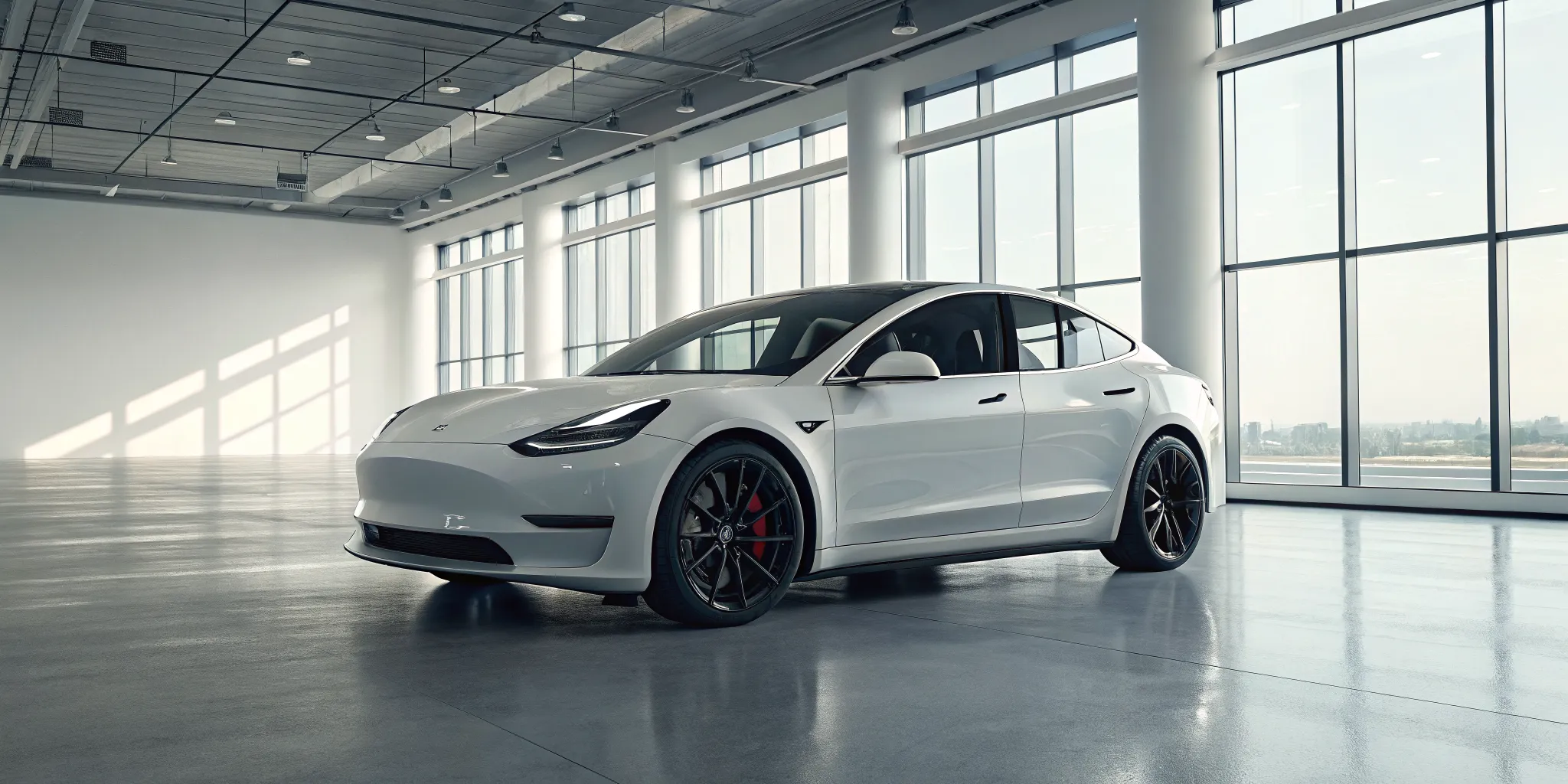
The thrill of a performance car often comes with the baggage of high fuel costs and frequent, expensive maintenance. But what if you could have the heart-pounding acceleration without any of that? That’s the promise of a used Tesla Model 3 Performance. It delivers a driving experience that rivals exotic sports cars, all while being significantly cheaper to run day-to-day. The key is knowing how to shop smart. In this guide, we’ll cover the total cost of ownership, from tires and insurance to what you can expect to save on gas, giving you a clear picture of the real-world value this incredible car offers.
Key Takeaways
- Get Thrilling Speed for Less: A pre-owned Model 3 Performance offers incredible acceleration and sharp handling at a much lower price point than a new model, making it a smart way to own a high-performance EV.
- Know What to Inspect: Prioritize checking the battery's health, looking for at least 80% of its original range. Also, test the central touchscreen for responsiveness and look for uneven body panel gaps, particularly on earlier model years.
- Plan for Ownership Costs: While you will save a lot of money on gas by charging at home, remember to budget for performance tires, as the car's instant power causes them to wear out more quickly than on a typical sedan.
Tesla Model 3 Performance: What to Expect
If you’re looking for a car that blends blistering speed with cutting-edge technology, the Tesla Model 3 Performance should be at the top of your list. It’s more than just an electric vehicle; it’s a full-blown experience. From its minimalist interior to its nearly silent, instant acceleration, driving a Model 3 Performance is unlike anything else on the road. But what’s it actually like to live with one, especially a pre-owned model? Let’s get into the specifics of what you can expect when you get behind the wheel.
Performance: Speed and Power
The first thing everyone talks about with the Model 3 Performance is its speed, and for good reason. This car is seriously quick. With the ability to go from 0 to 60 mph in around three seconds, it delivers the kind of acceleration that pins you to your seat. That instant power isn't just for fun; it’s incredibly practical for daily driving in the DFW area. You’ll find merging onto busy highways like I-635 or the Dallas North Tollway is completely effortless. Even in a used model, the performance barely diminishes, giving you a sports car feel without the sports car price tag. It’s a thrilling yet composed ride that redefines what you expect from a four-door sedan.
Range and Charging Speed
Range anxiety is a common concern, but the Model 3 Performance offers plenty of juice for most drivers. A new model gets around 300 miles, and a well-maintained used one typically offers a solid 260 to 285 miles on a full charge. That’s more than enough for multiple round-trip commutes from Plano to downtown Dallas. For longer trips, the car supports fast charging up to 250 kW. You can add a significant amount of range in the time it takes to grab a coffee. Plus, the extensive Tesla Supercharger network has numerous locations across Texas, so you’re never far from a quick top-up on your way to Austin or Houston for the weekend.
Tech, Autopilot, and Updates
The Model 3 Performance feels like a tech product as much as a car, thanks to its massive central touchscreen and continuous software updates. Unlike a traditional car that stays the same, your Tesla gets new features and improvements over the air, so the car you buy today will be even better a year from now. The standard Autopilot feature is a game-changer for traffic-heavy commutes, acting as an advanced cruise control that helps with steering, accelerating, and braking. It’s crucial to test these systems during your inspection, but the underlying Autopilot technology is a major perk of ownership that makes driving safer and less stressful.
How It Drives: Ride and Handling
The Model 3 Performance is built for drivers who love to feel connected to the road. It sits lower and has a stiffer suspension than the standard models, which results in incredibly sharp and responsive handling. Paired with larger brakes and a special 'Track mode' for enthusiasts, it’s a car that begs to be driven on winding roads. The trade-off for this sporty feel is a firmer ride. You will notice road imperfections more, but most drivers find it to be a comfortable daily driver. It’s also worth noting that the performance-focused design can lead to higher tire costs, so that’s something to factor into your budget.
Let's Talk Price: Used vs. New and Other EVs
One of the best parts about considering a used Tesla Model 3 Performance is the price. The initial sticker shock of a new performance EV can be a lot to handle, but the pre-owned market tells a much different story. Let’s break down what you can expect to pay and how the numbers stack up.
Used vs. New Model 3 Performance
The most significant advantage of buying a used Model 3 Performance is the savings. Since 2022, prices for used models have become much more accessible. You can often find a model that's only a few years old for 40% to 60% less than its original price. For example, you might see a 2019 model for around $17,000, while a newer 2023 version with low mileage could be closer to $33,000. This depreciation makes getting into a high-performance EV a realistic goal without the brand-new price tag. A thorough review of the used market can give you an even clearer picture of current pricing trends.
Comparing Costs with Other EVs
When you look at other electric vehicles, the used Model 3 Performance really holds its own. It delivers an incredibly quick, responsive driving experience and sharp handling that’s hard to beat for the price. Beyond the initial purchase, the long-term savings are a huge plus. Charging at home is significantly cheaper than filling up with gasoline, typically costing between $400 and $700 per year. When you compare that to the thousands you might spend on gas for a comparable luxury sedan, the financial benefit is clear. This makes the Model 3 Performance not just a fun car to drive, but a smart financial choice, too.
Factors That Impact Resale Value
When you're browsing for a used Model 3 Performance, a few key factors will influence the price. Age and mileage are the obvious ones, but battery health is the most critical. A well-cared-for Tesla battery typically loses only 1% to 2% of its capacity each year. You should look for a car with at least 80% of its original battery health; anything over 85% is excellent. If the health is below 75%, you should be cautious unless the price reflects the need for a potential battery service down the road. You can check current listings to see how these factors play out in real-time pricing.
How Reliable Is a Used Model 3 Performance?
When you're looking at a pre-owned car, reliability is always top of mind. With a high-tech vehicle like the Tesla Model 3 Performance, it’s even more important to know what to look for. The good news is that these cars, especially their core components like the battery and motors, have a strong track record. However, not all used Model 3s are created equal. The car's reliability often comes down to its battery health, its specific model year, and the build quality from that production period.
Knowing these details helps you separate a great find from a potential headache. It’s all about doing your homework before you get behind the wheel. We’ll walk through the key things to check so you can feel confident in your choice. From understanding what a healthy battery looks like to spotting common issues from certain years, here’s what you need to know to find a dependable used Model 3 Performance.
Understanding Battery Health
The battery is the heart of any EV, so its health is the most critical factor in a used Tesla. Thankfully, Model 3 batteries hold up quite well. It’s common for a four or five-year-old model to still have 90-95% of its original capacity. When new, a Model 3 Performance offered around 300 miles of range, so a healthy used one should show between 260 and 285 miles on a full charge. As a rule of thumb, look for a car with at least 80% battery health. Anything over 85% is excellent.
Be cautious if the battery health is below 75%, unless the price reflects the need for a future replacement. Things like constant fast-charging and exposure to extreme temperatures (hello, Texas summers) can reduce battery life. A great way to preserve your EV's battery is to avoid leaving it at 100% or 0% for long periods.
Common Issues by Model Year
While the battery and motors are known for their durability, some model years have specific quirks to watch for. The earliest models from 2018-2019, for example, sometimes had thinner paint and inconsistent body panel gaps. The 20-inch wheels on the Performance model can also be prone to curb rash or bends, so inspect them closely. During your test drive, listen for any clunking sounds from the suspension, which could point to worn parts from aggressive driving.
It’s also smart to test all the tech. Make sure the main screen is responsive and that all the cameras and driver-assist features work as they should. You should walk away from any car with a history of major battery or motor issues, significant accident damage, or if the seller is hesitant to share battery health information.
Build Quality Differences
Tesla’s build quality has noticeably improved over the years, which is something to consider when choosing a model. The 2018–2019 cars are often the most affordable, but they require a careful inspection of the paint and panel alignment. The 2020–2021 models hit a sweet spot, offering a better overall fit and finish. By the time the 2022–2023 models were released, Tesla had made significant strides, and these cars feel almost new with updated heating and cooling systems and software enhancements.
The newest 2024+ models are still a rare sight on the used market but represent another step up in refinement. Understanding these build quality improvements can help you decide which model year best fits your budget and expectations for quality.
Your Pre-Purchase Inspection Checklist
Alright, you’ve found a used Model 3 Performance that looks promising. Before you get too attached, it’s time to play detective. Giving a car a thorough once-over is always smart, but it’s especially important with a high-tech, high-performance vehicle like this one. You’re not just checking for dings and scratches; you’re evaluating sophisticated electronics, a massive battery, and a powerful drivetrain. Think of this as your personal pre-flight check before you decide to take off.
This checklist will walk you through exactly what to look for, from the battery health to the body panels. It’s designed to help you spot potential red flags and make an informed decision. While this guide is a great starting point, you can always get a professional pre-purchase inspection for extra peace of mind. At Auto Web Expo, we put every vehicle through a rigorous inspection, so you can feel confident you’re getting a quality car. But when you're out shopping, being armed with your own knowledge is your best tool.
Check the Battery and Range
The battery is the heart of any EV, so this is your top priority. You can check a Tesla’s battery health right from the driver’s seat. On the main screen, you can see the car’s estimated range when fully charged. A healthy battery should retain a good portion of its original capacity. As a rule of thumb, look for a car with at least 80% of its original range. Anything over 85% is excellent. If you see a number below 75%, you should be cautious unless the price reflects the lower capacity. A degraded battery means less range and more frequent charging stops on your Dallas-to-Austin road trips.
Inspect the Body and Paint
Next, take a slow walk around the car. Look for any inconsistencies in the paint or body panels. Do the gaps between the doors, hood, and trunk look even and consistent? Run your hand along the seams to feel for any irregularities. Check the paint from different angles to spot areas that might look duller or have a slightly different texture, which could indicate a past repair. While a minor cosmetic fix isn’t a deal-breaker, uneven panels or mismatched paint could be signs of a more significant accident in the car’s past. It’s all about knowing the vehicle’s complete history.
Examine Tires, Wheels, and Suspension
The Model 3 Performance puts a lot of power to the pavement, so its tires, wheels, and suspension work hard. Check the tires for uneven wear, which could point to alignment issues. The 20-inch Überturbine wheels look fantastic, but they are prone to curb rash, so inspect the edges for scrapes or damage. During your test drive, turn the music off and listen for any clunking or creaking noises when going over bumps. These sounds can signal worn suspension components, often a result of aggressive driving. Also, take a peek at the brakes to see their condition.
Look Underneath the Car
Don’t be afraid to (safely) take a look underneath the car. The entire battery pack is housed in the floor, creating a large, flat surface. You’ll want to check this area for any major scrapes, gouges, or dents. While minor scuffs on the plastic underbody shield are common, significant damage could indicate the battery pack itself has been impacted. This is a critical safety and performance component, so any signs of deep scrapes or punctures are a major red flag. A clean undercarriage suggests the previous owner was careful and avoided hazards that could compromise the car's most vital part.
Test the Tech and Driver-Assist Features
A huge part of the Tesla experience is the technology, so make sure it all works. Spend some time playing with the large central touchscreen. Is it responsive? Does it lag or freeze? Test all the cameras, including the backup camera and side repeater cameras used for blind-spot monitoring. If the car is equipped with Autopilot or Full Self-Driving, ask to test these features during your drive to ensure they engage properly. Connect your phone via Bluetooth and make a quick call. You’re buying a smart car, so you want to confirm all its brains are in working order.
Review the Service History and Warranty
Always ask for the vehicle’s service records. A well-documented history can tell you a lot about how the car was maintained. Look for regular maintenance rather than a history of repeated repairs for the same issue, especially anything related to the high-voltage battery or drive system. It’s also wise to check the status of the car’s original Tesla vehicle warranty. The Basic Vehicle Limited Warranty is for 4 years or 50,000 miles, but the Battery and Drive Unit Limited Warranty lasts for 8 years or 120,000 miles. Knowing how much warranty is left can provide valuable peace of mind.
The Real Cost of Owning a Used Model 3 Performance
Beyond the sticker price, it’s smart to think about the day-to-day costs of owning a used Model 3 Performance. While you’re saving big on gas, there are other expenses like charging, tires, and insurance to consider. The good news is that for many drivers, the total cost of ownership is surprisingly affordable, especially when you factor in the lower maintenance needs of an electric vehicle. Let's break down what you can realistically expect to spend to keep your Tesla on the road in the Dallas-Fort Worth area.
Charging Costs in the DFW Area
One of the biggest perks of going electric is leaving high gas prices behind. In the DFW area, charging a Model 3 Performance at home is significantly cheaper than filling up a gas tank. You can expect to spend around $400 to $700 per year on electricity, depending on your driving habits and local utility rates. This is a fraction of what you’d pay for gasoline in a comparable performance sedan. For most of your charging, you'll just plug in overnight at home. When you're on the go, you can use Tesla's extensive Supercharger network for fast top-ups.
Tires and Brake Maintenance
The instant torque and thrilling acceleration of the Model 3 Performance are a blast, but they do put extra stress on the tires. The performance tires that give the car its incredible grip tend to wear out faster than on a typical sedan, usually needing replacement every 15,000 to 25,000 miles. It’s a good idea to budget for a new set of tires as a recurring expense. On the flip side, brake maintenance is much less of a concern. Thanks to regenerative braking, which uses the electric motor to slow the car down and recapture energy, the brake pads and rotors last much longer than on a gas-powered vehicle.
What to Expect for Insurance
When you’re looking at insurance for a used Model 3 Performance, expect rates that are similar to other high-performance compact cars. While it’s not the cheapest car to insure, the cost is generally in line with what you’d pay for a BMW M3 or an Audi S4. Insurance companies consider factors like repair costs, safety ratings, and the car's performance capabilities. Your best bet is to get a few quotes before you finalize your purchase. Your driving record and where you live in the DFW area will also play a big role in your final premium.
Gas vs. Electric: The Savings
This is where the Model 3 Performance really shines as a used car. Since 2022, prices for pre-owned models have become much more accessible. It’s common to find a four or five-year-old model for 40% to 60% less than its original price. When you combine that significant upfront savings with the money you’ll save on gas and routine maintenance (no more oil changes!), the value is hard to beat. A thorough review of ownership costs shows just how much you can save over the long run compared to a traditional gas vehicle, making it a financially savvy choice for a performance car.
The Good and the Bad: A Quick Summary
Every car has its pros and cons, and the used Tesla Model 3 Performance is no exception. To help you decide if it’s the right fit for your garage, let’s break down the highlights and the potential hurdles. Think of this as your quick-glance guide to the best parts and the things you’ll want to watch out for before you start shopping for a pre-owned luxury vehicle.
The Upsides
Let's start with the fun stuff. The Model 3 Performance is celebrated for its breathtaking speed; it genuinely feels like a sports car off the line. You get that instant, thrilling acceleration that makes every green light an event. For the price of a used model, you’re getting performance that rivals much more expensive new electric vehicles. Even models that are a few years old still offer incredible bang for your buck. Plus, you get access to Tesla's extensive Supercharger network, which makes road trips a breeze. A used Model 3 Performance review often highlights that battery life holds up well, with many cars retaining 90-95% of their original capacity even after four or five years.
The Downsides
On the flip side, all that power can lead to faster tire wear. Performance tires aren't cheap, and you might find yourself replacing them every 15,000 to 25,000 miles. It’s also worth considering that a previous owner might have driven the car aggressively. When inspecting a potential purchase, pay close attention to battery health. Factors like frequent fast-charging and living in a hot climate (like our Texas summers) can affect long-term battery life. Always be cautious of vehicles that have a history of major battery or motor issues, or significant accident damage. A seller who is hesitant to share the car's service history or battery health report is a definite red flag.
So, Is a Used Model 3 Performance Right for You?
Deciding on the right car comes down to what you value most as a driver. If you’re looking for a vehicle that delivers the thrilling, instant acceleration of a sports car but with the benefits of an EV, a used Model 3 Performance is a fantastic contender. It’s a car that truly puts performance first. With prices becoming more accessible in recent years, you can get that top-tier speed and handling for much less than a new high-performance electric car. Plus, you get access to Tesla’s convenient Supercharger network, which is a major perk for road trips out of the DFW area.
Of course, buying used means doing your homework, especially with an EV. The good news is that the batteries in these cars generally hold up very well, with many four or five-year-old models still retaining 90-95% of their original capacity. While it’s a great choice for its speed, you should be prepared for a firmer ride and higher tire costs, which is a common point noted in any detailed used Tesla Model 3 Performance review. It’s a trade-off for its incredible handling.
Ultimately, this car is perfect for the driver who craves excitement and cutting-edge tech. The key is to find a well-maintained example. Always check the vehicle’s history for any major battery or motor issues and steer clear of cars with serious accident damage. When you work with a trusted dealership, we handle that vetting process for you, ensuring you get a quality vehicle. If you’re ready for an electrifying driving experience every time you get behind the wheel, the Model 3 Performance is definitely worth a test drive.
Find Your Pre-Owned Tesla at Auto Web Expo
You’ve done the research and know exactly what to look for in a used Model 3 Performance. Now for the exciting part: finding the right one for you. At Auto Web Expo, our passion is connecting drivers all over the Dallas-Fort Worth area with incredible pre-owned luxury cars. We know that buying a vehicle is a major step, and we’re committed to making your experience completely transparent and stress-free, so you can feel great about your decision.
Our online inventory puts you in control of the search. You can easily filter through our cars to find one that fits your specific needs, whether you have a set budget, a preferred model year, or a must-have color in mind. Each listing includes detailed photos and essential information, from mileage to key features, allowing you to use the checklist from this guide with confidence. Feel free to browse our current selection of pre-owned Teslas and see what’s available right here in the DFW area. When a Model 3 catches your eye, just let us know. Our team is here to schedule a test drive and walk you through our straightforward financing options.
Related Articles
- Used 2023 Tesla Model 3 For Sale at Auto Web Expo | VIN: 5YJ3E1EA8PF551634
- Used 2020 Tesla Model 3 For Sale at Auto Web Expo | VIN: 5YJ3E1EAXLF737332
Frequently Asked Questions
What's the most important thing to check before buying a used Model 3 Performance? Without a doubt, you should focus on the battery's health. The battery is the most vital and expensive component, so you want to be sure it's in good shape. A healthy used model should still offer a range of around 260 to 285 miles on a full charge. You can check this right from the car's main screen. If the battery health is below 80% of its original capacity, you should be cautious unless the price is low enough to account for the reduced range.
How much will I really save on fuel, and what are the other hidden costs? You will save a significant amount on fuel. Charging at home in the DFW area typically costs a fraction of what you would spend on gasoline for a similar performance car. However, you should budget for other expenses. The performance tires that provide amazing grip also wear out more quickly, so you'll replace them more often. Insurance rates are also comparable to other high-performance luxury sedans, so it's wise to get a quote before you buy.
Is the firm ride really that bad for daily driving in the DFW area? It's a fair question. The ride is definitely firmer than in a standard sedan because the suspension is tuned for sharp, responsive handling. You will feel more of the road's imperfections. However, most owners find it perfectly comfortable for daily commutes and highway driving. It's a trade-off for the car's incredible agility. The best way to know for sure is to take one for a test drive on roads you frequently use.
I'm worried about range. Is a used model's battery good enough for Texas road trips? Range anxiety is a common concern, but a well-maintained Model 3 Performance is more than capable. With a typical range of 260+ miles, you have plenty of power for daily driving and then some. For longer trips to places like Austin or Houston, the Tesla Supercharger network is extensive and reliable. You can easily plan your route around fast-charging stops, which usually take about as long as a coffee break.
Why should I get the Performance model instead of a standard Model 3? You choose the Performance model for the driving experience. While a standard Model 3 is quick, the Performance version offers breathtaking acceleration that pins you to your seat. It also comes with upgraded brakes, a lowered suspension, and larger wheels for superior handling. If you are a driving enthusiast who craves that sports car feel and instant power, the Performance model delivers an excitement that the standard version simply can't match.