
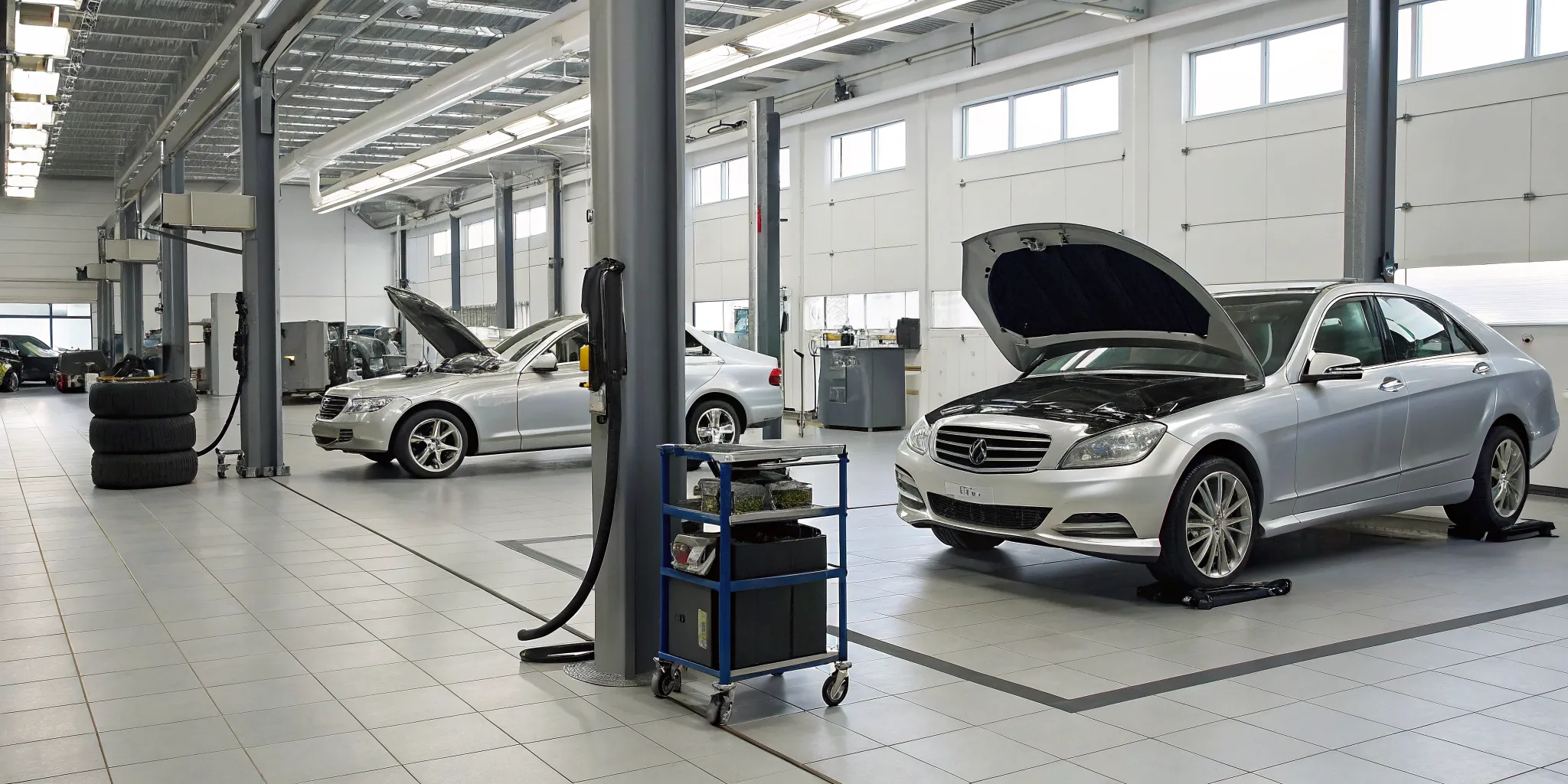
One of the biggest myths about owning a luxury car is that you’re locked into expensive dealership service for life. That’s simply not true. While your Mercedes-Benz does require expert care, you have options. The most important thing is to adhere to the factory-recommended Mercedes maintenance schedule, whether you choose a dealership or a trusted independent specialist. This schedule, built around alternating Service A and Service B appointments, is the key to keeping your warranty intact and your vehicle in pristine condition. This guide will demystify the process, showing you exactly what your car needs and how to find the right care here in the DFW area.
Key Takeaways
- Follow the Alternating A/B Schedule: Mercedes-Benz maintenance is straightforward, alternating between Service A (the basics) and Service B (a more thorough check) about every 10,000 miles or once a year to keep your vehicle in peak condition.
- Stay Consistent to Avoid Costly Repairs: Skipping service appointments can lead to serious engine damage, void your warranty, and lower your car's resale value; sticking to the schedule is the best way to protect your investment.
- You Have Options Beyond the Dealership: A qualified independent shop with certified technicians and genuine parts can service your Mercedes just as well as a dealership, often at a more competitive price, without affecting your warranty.
What Is the Mercedes-Benz Maintenance Schedule?
If you’re driving a Mercedes-Benz, you know it’s a finely tuned machine. To keep it that way, the brand created a straightforward maintenance schedule that helps your car perform its best for years to come. It might sound complicated, but it really boils down to two main appointments: Service A and Service B. Think of them as alternating check-ups for your vehicle.
This schedule is designed to be proactive, catching small issues before they become big, expensive problems. Instead of waiting for a warning light, you’re giving your car the consistent care it needs. Your Mercedes is smart enough to tell you when it’s time for a visit, so you don’t even have to mark your calendar. The system alternates between the smaller Service A and the more comprehensive Service B to cover all the essential checks and replacements over time. Following this schedule is the single best thing you can do to protect your investment and enjoy that smooth, powerful ride you love.
Service A vs. Service B: What's the Difference?
So, what really separates Service A from Service B? Service A is the first and more basic of the two. It typically happens around 10,000 miles or one year of driving. This visit includes all the basics, like a synthetic motor oil and filter change, a check of all your fluid levels, and a thorough tire and brake inspection.
About a year after that, or at the 20,000-mile mark, your car will be due for Service B. This appointment includes everything from Service A, plus a few more in-depth tasks. During Service B, a technician will also replace the cabin air filter to keep the air you breathe fresh and change the brake fluid, which is critical for safety. These essential maintenance tasks ensure every part of your vehicle gets the attention it needs at the right time.
Your Mercedes-Benz Service Timeline
For most Mercedes-Benz cars and SUVs, the maintenance journey begins at the 10,000-mile mark with the first Service A appointment. From there, you’ll simply alternate between Service A and B roughly every 10,000 miles or once a year, whichever comes first. It’s a predictable rhythm that makes planning for service easy.
However, if you drive a high-performance AMG® model, the timeline is a bit different. For these vehicles, an initial service is recommended at just 2,000 miles to ensure the engine is breaking in properly. After that, AMG® models fall into a similar alternating A/B schedule. Sticking to this timeline is key to maintaining your car’s performance, safety, and resale value.
How the ASSYST PLUS System Works
One of the best features of modern Mercedes-Benz vehicles is the onboard maintenance system, called ASSYST PLUS. This isn't just a simple mileage counter. It’s an intelligent maintenance management tool that actively monitors your driving habits, the time since your last service, and other vehicle data to determine precisely when your car needs attention.
This system takes all the guesswork out of maintenance. You don’t have to keep track of dates or mileage yourself. When your vehicle is approaching its next service interval, a message will appear on your dashboard display, letting you know whether it’s time for Service A or Service B. It’s a simple, personalized alert that makes staying on schedule completely effortless.
What's Included in Service A?
Think of Service A as the essential wellness check for your Mercedes-Benz. It’s the first of the two main service intervals and typically comes due after your first 10,000 miles or one year of driving. This appointment covers the fundamental maintenance tasks your car needs to continue running smoothly and reliably. It’s a proactive step that addresses the most common wear-and-tear items, ensuring your vehicle performs exactly as its engineers intended. Sticking to this schedule is the best way to protect your investment and enjoy that signature Mercedes-Benz driving experience.
Synthetic Motor Oil and Filter Change
This is far more than a typical oil change. Your Mercedes-Benz has a high-performance engine that requires a specific type of synthetic motor oil to stay properly lubricated and protected. This oil is designed to resist breakdown under high heat (a must for Texas summers) and keep your engine’s intricate components clean. During Service A, a technician will drain the old oil and replace it along with the oil filter. A fresh filter is crucial for trapping impurities and preventing them from circulating through your engine, which helps ensure a long and healthy life for your vehicle.
Fluid Level Checks and Top-Offs
Your car depends on a variety of fluids to run safely and efficiently. A key part of Service A is a comprehensive check of all these critical fluid levels. A technician will inspect and top off your coolant, brake fluid, power steering fluid, and windshield washer fluid as needed. Each one plays a vital role. For example, coolant prevents your engine from overheating on a hot day in Dallas, while having the correct amount of brake fluid is non-negotiable for your safety. This simple step ensures all of your vehicle’s systems are properly supplied and ready to perform.
Tire and Brake Inspection
Safety is always the top priority, which is why Service A includes a careful inspection of your tires and brakes. A technician will check your tire pressure and adjust it to the manufacturer’s recommended levels. Maintaining the correct tire pressure not only extends the life of your tires but also improves your car’s handling and fuel economy. The service also includes a visual inspection of your brake pads and discs to assess their condition. Catching wear early can save you from more costly repairs down the road and gives you confidence that your car can stop safely when you need it to.
What Additional Services Does Service B Cover?
Think of Service B as the more comprehensive check-up for your Mercedes-Benz. It includes every task from Service A, then adds a few more crucial services to the list. This appointment is designed to take a deeper look at systems that wear down over a longer period. Because it’s more thorough, you can expect it to take a bit more time than a Service A visit. These additional steps are essential for maintaining your vehicle’s performance, safety, and comfort. Let’s walk through what those extra services are.
Cabin Air Filter Replacement
The cabin air filter is your first line of defense against breathing in dust, pollen, and other pollutants from the road. Over time, this filter gets clogged, reducing airflow and straining your car’s HVAC system. A dirty filter can also lead to musty odors, which is the last thing you want during a hot Dallas summer. As part of Service B, a technician replaces the old cabin air filter with a new one. This simple step ensures the air inside your car is clean and helps your air conditioning operate at peak HVAC system performance, giving you powerful cooling when you need it most.
Brake Fluid Exchange
Your car’s braking system runs on hydraulic fluid. When you press the brake pedal, this fluid transfers force to the brakes. Over time, brake fluid absorbs moisture from the air, which can lower its boiling point and lead to corrosion in the brake lines. This contamination seriously reduces your braking effectiveness and can compromise your safety. During Service B, a technician flushes the old fluid and replaces it with fresh fluid that meets Mercedes-Benz specifications. This service is critical for ensuring your brakes respond precisely and powerfully every time you need them.
More In-Depth Inspections
Service B goes beyond standard checks with a more comprehensive inspection of your vehicle’s key systems. A trained technician takes a closer look at components that wear down with mileage, including the suspension, steering components, and lighting. For example, instead of just a visual check, the technician will thoroughly examine the brake pads and rotors to measure their thickness. This kind of preventative maintenance helps identify potential issues before they become expensive problems. Catching a worn suspension part early can save you from a larger repair bill and keep your ride smooth and controlled.
How Do You Know When Your Mercedes Needs Service?
Keeping up with your Mercedes-Benz maintenance schedule doesn't have to feel like a chore. Your car is actually designed to help you out. Between the onboard computer system, your odometer, and your own senses, there are three simple ways to know exactly when it’s time to book a service appointment. Let’s walk through each one so you can feel confident about keeping your vehicle in peak condition.
Read Your Service Indicator Display
Your Mercedes-Benz is designed with a smart maintenance system that takes the guesswork out of service appointments. This system, often called the Flexible Service System (FSS) or ASSYST PLUS, monitors your driving habits, mileage, and time since your last visit. When your car determines it’s time for maintenance, a message will appear on your dashboard display, often with a small wrench icon. It will tell you whether you’re due for Service A or Service B and how many miles or days you have until the service is required. This is the most direct way your car communicates its needs, so when you see that light, it’s time to schedule a visit with a trusted technician.
Track Your Mileage
If you prefer a more traditional approach, you can always rely on your odometer. As a general rule, your first Service A visit is due at approximately 10,000 miles or one year, whichever comes first. After that, your first Service B visit will be at around 20,000 miles or one year after your last service. The schedule continues to alternate between Service A and Service B every 10,000 miles or so. It’s important to remember the "one year" part of that rule. Even if you don't drive 10,000 miles in a year, engine oil and other essential fluids degrade over time, making annual service a must for protecting your engine.
Watch for Warning Signs Between Visits
Scheduled maintenance is designed to prevent problems, but it’s still important to pay attention to your car’s performance between appointments. You know your vehicle best, so if something feels off, it probably is. Missing maintenance appointments can shorten your vehicle's lifespan, and neglecting issues can lead to serious problems like engine damage. Be on the lookout for anything unusual, such as strange noises, a decrease in fuel efficiency, a shaky steering wheel, or brakes that feel less responsive. These are all signs that your Mercedes may need attention before its next scheduled service. Addressing these issues early can prevent more costly repairs down the road.
What Happens If You Skip a Service Appointment?
Life in the Dallas-Fort Worth area gets busy, and it’s easy to let that service reminder on your dashboard slide. Pushing a maintenance appointment back a week or two might seem harmless, but letting it go for too long can create serious problems for your Mercedes-Benz. Think of routine service as a regular health check-up for your car. Skipping it means you’re missing the chance for a professional to spot and fix small issues before they become major, expensive headaches.
Ignoring your service schedule can have lasting consequences that go far beyond a simple warning light. You risk damaging the intricate components of your engine, which relies on fresh fluids and clean filters to run smoothly. This neglect doesn't just affect performance; it can shorten your vehicle's lifespan altogether. Then there's the issue of your warranty. Many owners don't realize that failing to keep up with scheduled maintenance can give the manufacturer a reason to deny a future claim, potentially leaving you with a massive repair bill. Ultimately, what starts as an attempt to save a little time or money can lead to higher long-term costs, compromised safety, and the frustration of dealing with a vehicle that isn't running at its best. Sticking to the recommended schedule isn't just about following the rules; it's about protecting your investment and keeping your luxury vehicle performing the way it was designed to.
Risk of Engine Damage and Poor Performance
Your Mercedes-Benz is a finely tuned machine, and every part needs to work in harmony. Skipping a service appointment throws that balance off. The most critical task is the oil change. Over time, engine oil breaks down and collects dirt, losing its ability to lubricate and cool the engine's moving parts. This friction can lead to overheating and, in the worst-case scenario, severe engine damage. Beyond the engine, routine checks catch things like worn brake pads and uneven tire wear. Neglecting tire maintenance can reduce traction and compromise handling, which is the last thing you want during a sudden Texas downpour on the Dallas North Tollway.
Jeopardizing Your Warranty
One of the biggest concerns for any car owner is keeping the warranty valid. If your Mercedes is still under its factory or extended warranty, skipping scheduled maintenance can give the manufacturer grounds to deny a future claim. They require you to follow the recommended service intervals to ensure the vehicle is properly cared for. However, there’s a common myth that you have to go to the dealership for every service. The truth is, as long as you have your vehicle serviced according to the factory schedule at a qualified facility and keep detailed records, your car warranty should remain intact.
Higher Long-Term Repair Costs
Putting off a service appointment to save a little money now will almost always cost you more later. During a routine check, a technician might find a minor issue, like a cracked belt or low coolant, that’s simple and affordable to fix. If you let that go, the belt could snap and cause a cascade of engine problems, or low coolant could lead to your engine overheating. These are the kinds of catastrophic failures that result in multi-thousand-dollar repair bills. Sticking to your maintenance schedule is the most effective way to protect your investment and avoid the high cost of unexpected, large-scale repairs down the road.
Common Myths About Mercedes Maintenance
When you own a luxury vehicle like a Mercedes-Benz, you want to take the best possible care of it. But with so much information out there, it can be tough to separate fact from fiction. Let's clear up a few common misunderstandings about Mercedes maintenance so you can feel confident about keeping your car in top shape. Dispelling these myths will help you make informed decisions, save money, and ensure your vehicle performs beautifully for years to come.
Myth: You Have to Go to the Dealership
One of the most persistent myths is that only an official Mercedes-Benz dealership can properly service your car. While dealerships certainly have the expertise, they are not your only option. Many independent auto shops specialize in German vehicles and are fully equipped to handle everything from Service A to complex repairs. The key is finding a certified technician who uses the right tools and follows the factory service schedule. A qualified independent shop can offer the same level of care, often at a more competitive price, without voiding your warranty.
Myth: Low Mileage Means No Maintenance
It’s easy to assume that if you don’t drive your Mercedes very often, you can skip its annual service appointment. However, mileage is only one part of the maintenance equation; time is the other. Engine oil and other vital fluids degrade over time, regardless of how many miles you’ve driven. Rubber hoses and belts can also become brittle. That’s why Mercedes-Benz recommends service based on both mileage and time intervals (for example, every 10,000 miles or one year). Following the recommended service schedule is crucial for protecting your engine and other critical components, even if your car spends most of its time in the garage.
The Truth About Transmission Fluid Changes
You may have heard that the transmission fluid in your Mercedes is a "lifetime" fluid that never needs to be changed. This is a dangerous misconception. While the fluid is designed to be long-lasting, it is not invincible. Over time, it breaks down from heat and contamination, which can lead to poor shifting and eventually, catastrophic transmission failure. Most experts agree that the "lifetime" claim really just means the fluid is meant to last through the vehicle's warranty period. To ensure the long-term health and performance of your transmission, the fluid and filter should be changed at regular intervals as recommended by a trusted technician.
How to Choose the Right Mercedes Service Center in DFW
Finding the right place to service your Mercedes in the Dallas-Fort Worth area can feel like a big decision. You’ve invested in a high-performance luxury vehicle, and you want to make sure it’s in the best hands. The good news is that you have plenty of excellent options, from dealerships to trusted independent shops. The key is knowing what to look for so you can feel confident you’re getting top-tier service without overpaying. By focusing on technician expertise, the quality of parts used, and the shop’s reputation, you can find a reliable partner to keep your Mercedes running beautifully.
Look for a Certified Mercedes Specialist
When you take your car in for service, you want a technician who knows Mercedes-Benz vehicles inside and out. That’s why it’s so important to find a shop with certified specialists. These technicians have undergone extensive training specifically on the complex systems and advanced technology that make your car a Mercedes. A certified Mercedes specialist will be familiar with the ASSYST PLUS system and have the right diagnostic tools to pinpoint any issues quickly and accurately, ensuring the job is done right the first time.
Insist on Genuine Parts
Using the right parts is just as important as having the right technician. To maintain your vehicle’s performance and safety standards, always insist on genuine Mercedes-Benz parts or OEM equivalents. These parts are designed and tested to meet the exact specifications of your vehicle. When a shop performs a Service A oil change, for example, using a Mercedes-approved filter and synthetic oil protects your engine. Using genuine parts guarantees a perfect fit and function, which helps preserve your car’s warranty and overall integrity.
Compare Local Independent Shops
One of the biggest myths in luxury car care is that you have to go to the dealership for service. While dealerships have certified technicians, many high-quality independent shops in the DFW area can service your Mercedes to the same high standards, often at a more competitive price. The idea that only the dealership can service a Mercedes is simply not true. When comparing local shops, ask if they have Mercedes-certified technicians and use genuine parts. Check online reviews and ask for recommendations. A great independent specialist offers the same skill and care.
Does Maintenance Change Based on Your Mercedes Model?
Yes, absolutely. While the Service A and Service B framework provides a fantastic baseline for all Mercedes-Benz vehicles, the specific needs of your car will vary based on its model, year, and engine type. Think of the A/B schedule as the foundation, with specific tasks added or modified depending on whether you’re driving a C-Class sedan, a GLE SUV, or a high-performance AMG.
Your vehicle is equipped with a smart maintenance system that tracks its unique needs, so you’ll never be left guessing. However, understanding the key differences helps you stay informed and prepared for your next service visit. From the rugged demands on an SUV to the precision engineering of an AMG, each model has its own set of priorities to keep it running in peak condition. Let’s break down what that looks like for some of the most popular models on the road in Dallas-Fort Worth.
How Service Differs for Sedans and SUVs
For the most part, sedans and SUVs follow the same alternating Service A and Service B schedule. The main difference lies in the details of the inspection. An SUV like a GLS or GLC, especially one with 4MATIC all-wheel drive, puts different stresses on its components than a C-Class or E-Class sedan. During service, technicians will pay closer attention to the suspension, drivetrain components, and tires, as these parts work harder on a heavier vehicle. The core services, like oil changes and fluid checks, remain consistent. The difference between Mercedes-Benz Service A and Service B primarily involves Service B being more comprehensive, typically occurring after another 10,000 miles or one year.
Special Care for AMG Models
If you drive a Mercedes-AMG, you’re in control of a high-performance machine that requires a special touch. These vehicles are built for power and precision, and their maintenance schedule reflects that. While most Mercedes-Benz models have their first major service at 10,000 miles, AMG models need their first check-up much sooner, typically around 2,000 miles. This initial service is critical for breaking in the hand-built engine and rear axle differential. It involves changing the engine oil and filter and inspecting key performance components to ensure everything is ready for the road ahead. Following these unique service milestones is essential for protecting your investment and enjoying the thrilling performance you expect.
What to Know for Electric and Hybrid Vehicles
As you might guess, the maintenance plan for Mercedes-Benz EQ (all-electric) and hybrid models looks a bit different. Your car’s smart maintenance system still uses the A and B service structure, but the checklist is adapted for an electric powertrain. For an all-electric model like the EQS, you can say goodbye to oil changes. Instead, service appointments focus on inspecting the high-voltage battery, checking the electric drive components, and servicing the brake system and cabin air filters. Hybrid models are a blend of both worlds, requiring care for both their combustion engine and electric motor. Your vehicle’s ASSYST PLUS system takes the guesswork out of it, ensuring your car gets exactly what it needs, as explained in our Mercedes maintenance schedule guide.
How to Budget for Mercedes Maintenance in Dallas-Fort Worth
One of the smartest things you can do before buying a Mercedes-Benz is to plan for its upkeep. Thinking about maintenance costs from the start means you can avoid surprises and simply enjoy the drive. Here in the Dallas-Fort Worth area, you have excellent options for keeping your car in top condition without overspending. Let’s break down what you can expect to pay for routine service and how you can find the best value for your money.
What to Expect for Service A and Service B Costs
Mercedes-Benz simplifies its maintenance with two main service intervals: Service A and Service B. Think of Service A as your car’s essential annual check-up. It’s required after the first 10,000 miles or one year, whichever comes first. This visit includes a synthetic oil and filter change, fluid checks, a multi-point inspection, and new windshield wipers. Service B is a more comprehensive appointment that happens at 20,000 miles or one year after Service A. It covers everything in Service A, plus a new cabin air filter, a brake fluid change, and a new engine air filter. Because it’s more involved, Service B typically costs more than Service A, but both are vital for following the recommended maintenance schedules.
Dealership vs. Independent Shop Pricing
A common question we hear is whether you have to take your Mercedes to the dealership for service. The short answer is no. While dealerships do excellent work, you can get the same high-quality service from a quality independent shop, often at a lower price. What matters most is that the technicians are skilled, use the correct tools, and follow the factory service schedule precisely. A reputable independent service center can keep your Mercedes running perfectly and maintain its value. When looking for a service provider in the DFW area, focus on finding a certified Mercedes specialist who understands these vehicles inside and out. This ensures your car gets the expert care it deserves without the dealership price tag.
Why to Check the Service History on a Pre-Owned Car
When you’re shopping for a pre-owned Mercedes, the vehicle’s service history is one of your most important tools. A complete and consistent record shows that the previous owner followed the recommended service schedule, which is the best way to ensure the car runs its best, lasts longer, and avoids expensive repairs later on. Adhering to the factory service plan is crucial for the engine’s health and the performance of the entire vehicle. A car with a spotty or missing service history could be a red flag, potentially hiding underlying issues that could become costly problems for you. That’s why we always recommend reviewing the full service history before making a purchase.
Stay on Top of Your Mercedes Maintenance Schedule
Keeping up with your Mercedes-Benz maintenance schedule doesn't have to feel like a chore. With a few simple habits, you can stay organized and ensure your car gets the attention it needs right on time. Being proactive not only keeps your vehicle running beautifully but also helps you avoid surprises down the road. Think of it as a simple system that works in the background, giving you peace of mind so you can just enjoy the drive. Here are a few easy ways to stay on top of your service appointments.
Use Apps to Track Your Service History
Technology can be your best friend when it comes to managing your car's health. The official Mercedes-Benz App is a fantastic tool that lets you track your complete service history right from your phone. It’s more than just a digital logbook; you can use it to remote start your car, lock or unlock the doors, and even find where you parked. The app also connects you directly with your service dealer, sending you updates so you never miss an important maintenance milestone. It’s a convenient way to keep all your vehicle’s information in one place.
Keep a Simple Maintenance Log
If you prefer a more hands-on approach, a simple maintenance log is an excellent way to keep your Mercedes in top condition. You can use a dedicated notebook or a digital spreadsheet, whichever you prefer. The key is to be consistent. Always follow the service guidelines recommended for your specific model and year. Your car’s maintenance booklet is your go-to resource here; it has a full list of required services and when they should be done. Jotting down the date, mileage, and service performed makes it easy to see what’s been done and what’s coming up next.
Set Reminders for Your Next Appointment
Life gets busy, and it’s easy for a service appointment to slip your mind. To avoid this, set reminders for yourself. Your vehicle’s smart maintenance system is designed to take the guesswork out of scheduling, but a personal reminder can be a great backup. Whether you use your phone’s calendar or a sticky note on your desk, setting a reminder based on your mileage or the date of your last service helps you plan ahead. This simple step ensures you stay on top of your maintenance schedule and keep your Mercedes running smoothly for years to come.
Related Articles
- Cost of Mercedes A Service: What You're Paying For | Auto Web Expo
- What to Expect at a Mercedes-Benz Service Center
Frequently Asked Questions
What's the simplest way to remember the difference between Service A and Service B? Think of Service A as the essential check-up. It covers the absolute must-dos like a synthetic oil change, a new filter, and inspections of your tires and brakes. Service B includes everything from Service A but adds a couple of important extras, like replacing the cabin air filter and exchanging the brake fluid. Essentially, Service A is the foundation, and Service B is the more thorough follow-up.
I don't drive 10,000 miles a year. Do I still need to get my car serviced annually? Yes, you absolutely do. Time is just as important as mileage when it comes to your car's health. Critical fluids, especially engine oil and brake fluid, degrade over time even if the car isn't being driven. Sticking to the annual schedule ensures these fluids are fresh and your engine's components stay protected, which is crucial for the long-term health of your vehicle.
Will taking my Mercedes to an independent shop instead of the dealership void my warranty? This is a common worry, but the answer is no. You are not required to service your vehicle at a dealership to keep your warranty intact. As long as you take your car to a qualified service center that uses genuine or OEM parts and follows the factory-recommended maintenance schedule, your warranty will be fine. The most important thing is to keep detailed records of every service visit.
My car is an AMG model. Is the maintenance schedule really that different? While the alternating A/B service pattern is similar, the timeline for an AMG is unique, especially at the beginning. These high-performance engines require an initial service at around 2,000 miles to ensure everything is breaking in correctly. This first visit is critical for the engine's health and performance. After that, it falls into a more regular schedule, but skipping that first appointment is not recommended.
I'm looking at a pre-owned Mercedes. What's the most important thing to check regarding its maintenance? The single most important document to review is the vehicle's service history. You want to see a complete and consistent record of on-time Service A and Service B appointments. A car with a detailed history shows it was cared for properly, which is the best indicator of its current mechanical condition and future reliability. Gaps in the service record can be a major red flag.