
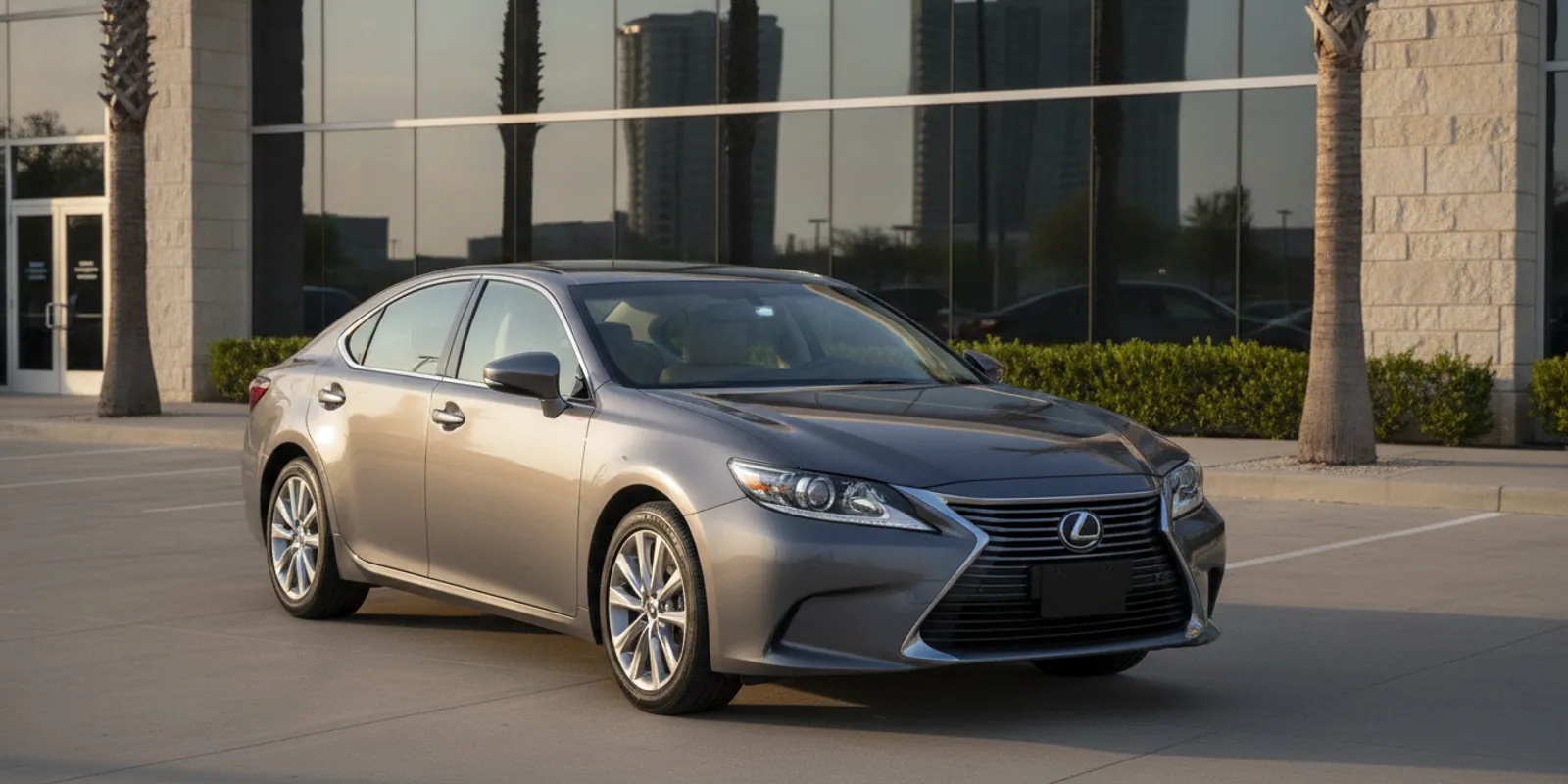
A used Lexus ES 350 can offer a quiet, comfortable sedan experience without the cost of buying new, but the right choice depends on more than the odometer or a feature list. Auto Web Expo is at 4041 West Plano Parkway, Plano, TX 75093; call (469) 626-0777 with questions as you compare options.
See our Lexus inventory and compare available ES 350 sedans in Plano.
How should you choose a used Lexus ES 350 model year?
Start with the vehicleâs actual condition and equipment, then use model year as one part of the decision. Two ES 350 sedans of the same year can differ in mileage, service documentation, ownership history, package content, and wear. A newer model year is not automatically the better purchase if its history is unclear or it has condition concerns.
Set a shortlist based on your needs and budget before comparing individual cars. Decide how important newer technology, a particular interior finish, driver-assistance features, and remaining factory warranty coverage are to you. Then verify each vehicleâs exact configuration rather than assuming every ES 350 from a given year has the same equipment.
- Compare like with like. Match model year, trim designation, drivetrain, and listed equipment before drawing conclusions about price or features.
- Check the actual vehicle details. Review the window sticker or vehicle build information when available, and confirm features in person.
- Balance age and history. A well-documented example with consistent care may deserve a closer look than a newer car with gaps in its records.
- Consider your ownership horizon. If you plan to keep the sedan for years, prioritize condition, documented care, and equipment you will use regularly.
When browsing used Lexus ES 350 inventory, save the details for each candidate. A short comparison list makes it easier to spot meaningful differences instead of relying on memory while viewing several cars.
For a practical year-by-year comparison, first group the cars you are considering by model year and exact trim. Then separate facts you can verify from impressions. The model year and mileage are easy to note; the actual package, condition, record history, and warranty status need closer checking. Ask whether the listingâs equipment is standard or part of an option package, and request documentation when a feature affects your decision. Do not assume a feature is present just because another ES 350 from the same year has it.
Think in trade-offs rather than treating a newer year as an automatic winner. A newer candidate may suit a shopper who gives greater weight to a more recent build date or particular equipment. An older candidate may still merit attention if its condition, documentation, and price fit the buyerâs priorities. A useful comparison accounts for the carâs complete state today and the work it may need, not just its registration year.
Before visiting, write down three lists: must-have features, preferred features, and items you can live without. For example, a buyer who spends many hours commuting may prioritize seat comfort and a quiet cabin, while another may care more about a specific audio or connectivity setup. This helps keep the evaluation focused and makes it easier to walk away from a car that looks appealing but does not meet the most important requirements.
It can help to create a simple comparison sheet with one line per vehicle and columns for year, trim, mileage, equipment, record completeness, visible condition, inspection results, and questions still open. Use notes rather than a single overall score at first. A car that leads on equipment may have an unresolved history question, while another may have fewer features but a clearer record. Keeping those trade-offs visible helps you avoid letting one appealing detail decide the purchase.
Which equipment matters in an ES 350?
The right feature set is personal. One buyer may value a simple cabin and clear sightlines; another may want upgraded audio, heated or ventilated seating, a sunroof, or additional driver-assistance technology. Packages and feature availability can vary, so confirm the equipment on the specific vehicle rather than relying on a generic model-year summary.
| What to compare | Why it matters | How to verify |
|---|---|---|
| Trim and package | Equipment and cabin details may differ between configurations. | Match the listing, window sticker or build information, and the car itself. |
| Comfort features | Seat adjustment, climate features, and cabin controls shape daily use. | Operate each setting during the visit and check for consistent response. |
| Driver-assistance features | Available equipment and driver preferences vary. | Confirm the exact feature list and test alerts or controls where safe. |
| Infotainment and connectivity | Screen layout, navigation, audio, and phone connections affect usability. | Pair a phone if appropriate and try the commonly used functions. |
| Wheels and tires | Tire condition and wheel damage can affect immediate ownership needs. | Inspect all four tires and wheels; ask about tire age and replacement history. |
| Warranty and documentation | Coverage depends on vehicle-specific terms, dates, and eligibility. | Review written documents and confirm coverage directly before purchase. |
During a walk-through, test the items you care about rather than just checking that they appear on a feature list. Adjust the driverâs seat and mirrors, check climate controls, try audio and phone connectivity, and look for warning messages. If a feature is important to your purchase, ask for it to be demonstrated.
Try to evaluate the controls from the driverâs seat, not only while standing beside the car. Check whether the display is easy to read in the available light, whether commonly used controls feel intuitive, and whether the seat and steering adjustments allow a comfortable position. If more than one person will regularly drive the sedan, have each person repeat the seating and visibility check. Small usability differences become more important when they affect every commute.
What should you inspect before buying?
A careful first look can help you identify questions for the seller or an independent professional. Inspect the ES 350 in daylight when possible, and take your time. A clean appearance is useful, but it does not replace a review of the vehicleâs mechanical condition and records.
Walk around the exterior
Look for mismatched paint, uneven panel gaps, dents, cracked glass, and signs of repairs. Check that the doors, trunk, and hood open and close smoothly. Inspect the wheels for curb damage and the tires for uneven wear, sidewall damage, or differences between the tires. Uneven tire wear can have several causes, so treat it as a prompt for a closer professional check rather than a diagnosis.
Check the car from several angles and look at each wheel and tire rather than assuming one side represents the whole set. Note whether the tire brands and sizes appear consistent, and ask about replacement dates if that information is available. Look underneath from a safe standing position for visible drips or damage, but do not crawl under a vehicle that is not properly supported. Record concerns so they can be discussed together instead of relying on memory after the visit.
Review the cabin
Check the seats, steering wheel, door trim, carpeting, and controls for wear that seems inconsistent with the carâs age and stated mileage. Look for dampness, unusual odors, or signs of water intrusion. Turn the car on and watch for warning lights; ask which lights are expected during startup and whether any remain on afterward. Test windows, locks, seat adjustments, lights, climate settings, and infotainment controls.
Take a focused test drive
Drive on roads that allow you to experience low-speed traffic and steady cruising, if conditions permit. Listen for unusual sounds, notice whether the sedan tracks smoothly, and pay attention to braking, steering response, and transmission behavior. Test the climate system and check that the display and other equipment continue working during the drive. If anything feels or sounds unusual, record the detail and request an explanation before proceeding.
Use a repeatable route if you are comparing two finalists. Start with a few minutes of slower driving, then include a stretch at a steady speed when traffic and road conditions allow. Notice how the car responds when accelerating gently, slowing, turning, and parking. Do not perform abrupt maneuvers or test a feature in a way that could distract you. A passenger can take notes, leaving the driver focused on the road. If the same sound or behavior appears more than once, describe when it happens and ask for a qualified assessment.
Do not try to diagnose a concern from a brief test drive. A vibration, noise, warning message, or pull can have multiple possible causes. The useful next step is to have the specific symptom assessed by a qualified technician before you make a decision.
Which maintenance records should you review?
Ask for available service and repair records, and look for a timeline rather than a single recent receipt. Documentation can help show what work was performed, when it was done, and whether a concern was addressed. Compare dates and mileage across records, the vehicle history report, and the odometer. Inconsistencies deserve clarification.
- Look for records that identify the vehicle and include dates, mileage, and work performed.
- Ask whether the records cover routine care as well as repairs or warning-light concerns.
- Check for repeat visits addressing the same symptom and whether the repair was completed.
- Ask for any available records of tire, brake, battery, or other major component replacement.
- Review ownership and title information and ask about reported collisions, repairs, or gaps in the history.
A history report is a useful reference, not a substitute for records or an inspection. It may not include every repair or incident. Read the report carefully, ask about entries you do not understand, and compare it with the sellerâs documents and the carâs visible condition.
When records are incomplete, make a written list of unanswered questions instead of treating the absence of paperwork as proof that work was or was not done. Ask whether the owner can provide invoices, dealer records, or other documentation. Note whether routine care appears consistent with the intervals in the vehicleâs owner materials. The technician conducting an inspection can help identify areas that need follow-up, but only a shop with access to the car can assess its present condition.
As you review paperwork, check that the vehicle identification details and mileage make sense from one document to the next. A receipt with a date and odometer reading is more useful than a vague statement that the car was regularly cared for. Ask what a repair addressed and whether the same issue returned. If a record refers to a warning or recommended follow-up, find out whether later documentation shows what happened next. You do not need to interpret every technical note yourself; gather the documents and ask the seller or inspecting technician to explain the points that could affect your decision.
Why arrange a professional inspection?
A professional pre-purchase inspection gives a qualified technician an opportunity to look beyond what a shopper can check during a walk-around. Depending on the inspection offered, the technician may assess the vehicleâs mechanical systems, look for leaks or damage, review tire and brake condition, and scan for diagnostic information. Ask in advance what the inspection includes and whether the shop can inspect the specific vehicle.
Arrange the inspection before finalizing the purchase, and ask the seller how the vehicle can be made available. Request a written report that separates urgent safety concerns from items to monitor or discuss. If the report identifies a concern, get a clear explanation of what was observed and what further diagnosis may be needed. An inspection is a snapshot of condition, not a promise that a used vehicle will never need repairs.
Auto Web Expo offers service for luxury brands including Lexus. You can learn more about Lexus service options or ask whether a particular inspection can be arranged. The inspection scope and availability should be confirmed directly before relying on it as part of a purchase decision.
Before booking an inspection, clarify who will perform it, how long the vehicle will need to be available, and what the written findings will cover. Ask whether the technician can review a concern you already noticed, such as uneven tire wear, an unusual sound, or a warning message. Share the records and your notes so the review can focus on your questions. If the technician recommends additional testing, ask what that test would establish and whether the result could change your decision. This turns the inspection into a useful decision step rather than a vague reassurance.
How can you compare your finalists?
Put the details side by side and use the same questions for every ES 350. This keeps a strong first impression from overshadowing missing information.
- Confirm identity and configuration. Match the VIN, model year, trim, mileage, and listed features across the vehicle, paperwork, and listing.
- Compare condition. Record tire wear, visible damage, interior wear, warning lights, and anything unusual on the test drive.
- Review the records. Note what is documented, what is missing, and what questions remain about service or repairs.
- Check the inspection findings. Ask for a professional assessment and clarify any recommended follow-up.
- Evaluate the complete value. Consider equipment, condition, documentation, and any near-term workânot just the asking price or year.
For each finalist, label the notes as confirmed, needs clarification, or not verified. For example, a listing may show a comfort feature, but until you confirm it operates, keep it in the unverified column. Mark an inspection recommendation separately from an immediate concern, and ask what each item means for use and planning. This simple method avoids treating unanswered questions as facts and gives you a clear set of points to resolve before making a commitment.
Buying price is only one part of your comparison. Consider whether the vehicle may need tires, brakes, a battery, or other work soon, based on its actual condition and inspection findings. Ask for written purchase terms and any applicable warranty details, then review them before signing. If you are financing, compare the complete terms and payment obligations rather than focusing on one monthly figure. Do not assume that a feature, repair, or coverage item is included unless the paperwork confirms it.
If financing is part of your plan, review the available financing options and make sure you understand the terms before committing. You can also start a pre-approval request as one step in preparing your budget. Approval terms depend on individual circumstances and the lenderâs review.
Is a used Lexus ES 350 a good fit for DFW driving?
The ES 350 is a midsize luxury sedan, so assess whether its seating, cabin layout, and trunk suit the people and belongings you typically carry. Think about your regular commute, parking situation, and how often you travel with passengers. A test drive around familiar roads in Plano or elsewhere in DFW can help you judge visibility, ride comfort, and how the sedan feels in your daily routine.
Try everyday tasks during your visit: enter and exit the rear seats, place your usual bags in the trunk, and check whether the mirrors and seating position support the way you park. If your routine includes highway driving, consider whether cabin comfort and controls work for longer stretches. If you regularly carry passengers, ask them to sit in the back and assess access and space for themselves. A few minutes spent testing your actual use case can reveal more than a general impression from a brief drive.
For shoppers comparing more than one brand, browse pre-owned luxury cars available in Plano and compare the actual vehicles rather than relying only on brand reputation. Auto Web Expo is located at 4041 West Plano Parkway, Plano, TX 75093. For help with a specific listing, use the contact page to reach the team.
Frequently Asked Questions
Is mileage the most important factor when buying a used Lexus ES 350?
No. Mileage is one factor to weigh alongside condition, service records, equipment, ownership history, and inspection findings. A complete review helps explain what the odometer alone cannot.
How can I confirm which features an ES 350 has?
Check the vehicleâs exact listing and build documentation, then test the features in person. Equipment can vary by model year, trim, and package, so confirm each item on the specific sedan.
Should I get a pre-purchase inspection if the car looks clean?
A clean appearance does not establish the condition of components that are difficult to assess visually. A qualified professional can provide a more informed review; ask what the inspection covers and discuss any findings before buying.
What if the maintenance history is incomplete?
Ask what records are available and whether the seller can clarify gaps. Then weigh the uncertainty with the vehicleâs condition and inspection results. Do not assume undocumented work was completed.
Can I compare Lexus models at Auto Web Expo in Plano?
Yes. Review the current Lexus listings online, then contact Auto Web Expo to ask about specific vehicles and arrange a visit to 4041 West Plano Parkway, Plano, TX 75093.