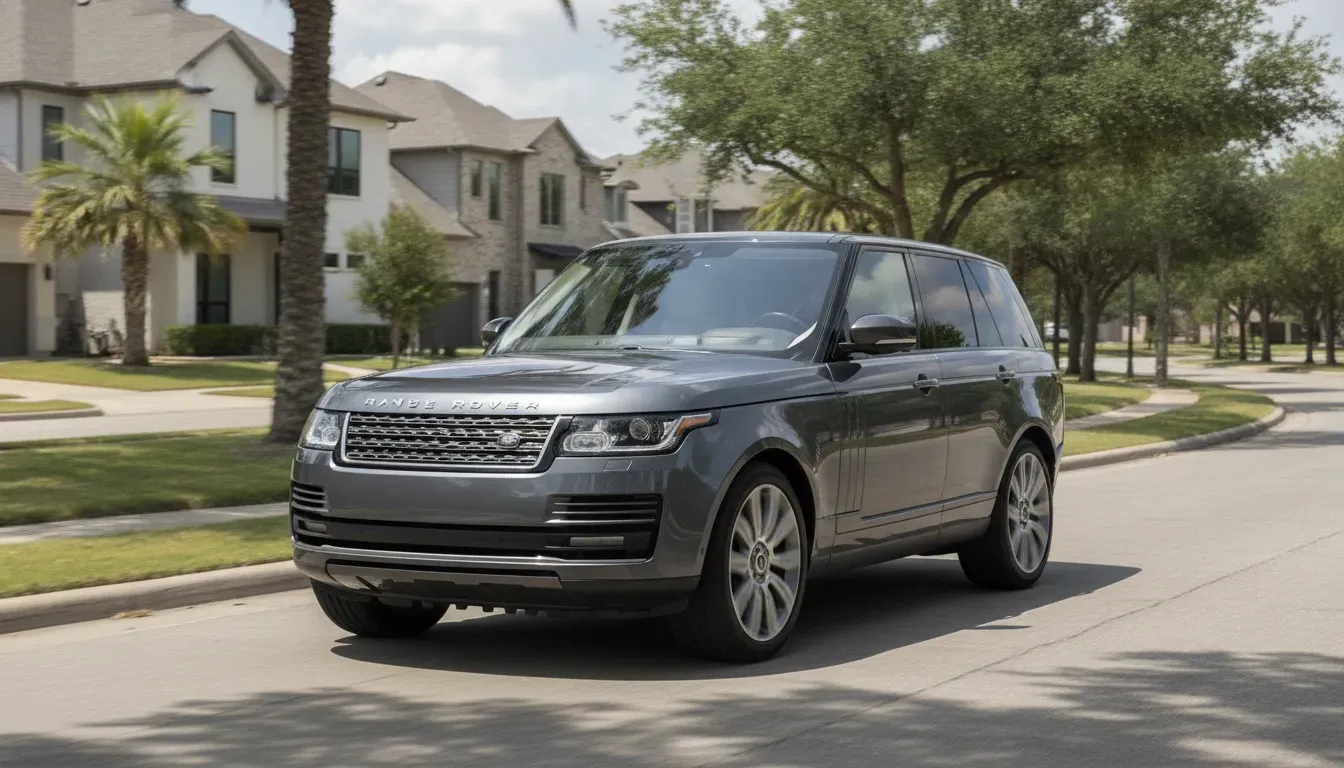
Luxury cars can be rewarding to own, but buying new can expose you to the steepest part of the depreciation curve. Certified pre-owned luxury vehicles offer a different path. They can provide premium equipment, documented condition, and lower entry pricing after the first owner absorbs much of the early value loss.
That does not mean every certified pre-owned vehicle will lose less value than every new vehicle. Model demand, mileage, condition, history, warranty coverage, and market timing all matter. The better comparison is the amount of value you receive for each dollar paid and the depreciation you may face during your ownership period.
For DFW shoppers, the goal is simple: find a well-supported luxury vehicle at a price that leaves room for ownership costs and future resale. Get pre-approved with Auto Web Expo, then compare the vehicle history, inspection results, warranty terms, and market price before you buy.
What It Means to Hold Value Better
People often use the phrase "holds value" to describe a vehicle that loses a smaller share of its purchase price over time. A new luxury vehicle may cost more at the start, yet its resale value can fall quickly during the first few years. A pre-owned vehicle begins at a lower price after that early drop has already happened.
This distinction matters. A certified pre-owned luxury vehicle does not magically stop depreciating. It may still lose value as it gains miles and age. Its advantage is that you may buy after the sharpest new-car decline, while certification and documented care can support buyer confidence later.
| Comparison point. | New luxury vehicle. | Certified pre-owned luxury vehicle. |
|---|---|---|
| Starting price. | Usually highest for the same model line. | Usually lower after early depreciation. |
| Early depreciation exposure. | Buyer absorbs the first major value drop. | Part of the first drop occurred before purchase. |
| Condition history. | Known from the beginning. | Must be checked through records and inspection. |
| Warranty. | New-car coverage begins at purchase. | Remaining coverage and CPO terms vary by brand. |
| Resale drivers. | Mileage, condition, demand, and model updates. | The same factors, plus certification records and ownership history. |
Why New Luxury Vehicles Depreciate Quickly
The first owner of a new luxury car pays for more than transportation. The price can include the latest design, new technology, factory delivery, and the status of being the first registered owner. Those benefits are real, but the next buyer may not value them at the original price.
Luxury technology also changes fast. A new driver-assistance system, screen design, battery update, or powertrain can make a prior model feel older when the next model arrives. A vehicle can remain safe and capable while its market position changes.
Lease returns add another supply factor. Many luxury vehicles enter the market after short lease terms. When several similar vehicles become available at once, shoppers gain more choices. Sellers may then need to price aggressively to stand out.
Demand can also narrow as a vehicle ages. A popular model with strong service support may remain desirable. A less common trim, costly repair history, or outdated feature set may reduce the number of buyers willing to pay a premium.
How CPO Certification Changes the Buying Equation
Certified pre-owned is not the same as simply calling a used vehicle "like new." A true CPO program has written eligibility rules. The brand or dealer may set limits for age, mileage, title history, inspection results, and required repairs.
Coverage differs by manufacturer and dealer. Some programs add a limited warranty after the original coverage ends. Others provide benefits such as roadside assistance, a trial maintenance period, or a vehicle history report. Read the actual CPO agreement rather than relying on a sales label.
For a buyer, certification can reduce uncertainty. It does not remove risk, and it does not guarantee a future resale price. It gives you a stronger starting point for checking the vehicle's condition and expected support.
- Eligibility rules: Confirm the model year, mileage limit, title status, and required history criteria.
- Inspection scope: Ask for the inspection checklist and the date it was completed.
- Repair records: Check which items were repaired or replaced before certification.
- Warranty terms: Review what is covered, what is excluded, and who performs covered repairs.
- Transfer rules: Learn whether the remaining warranty transfers to a later owner and whether fees apply.
Why Certified Pre-Owned Luxury Vehicles Hold Value Better
The strongest value case comes from buying at a lower basis. Suppose a luxury vehicle sold new for $70,000 and later sells as a certified pre-owned model for $42,000. The second buyer does not avoid every future dollar of depreciation, but the buyer is no longer paying the original new-car premium.
That lower basis can help in two ways. First, the buyer may have more cash available for taxes, maintenance, or a down payment. Second, a later resale loss may represent a smaller dollar amount if the vehicle keeps a steady share of its market value.
Certification can support that outcome by making the vehicle easier to evaluate. A clear history, documented inspection, and usable warranty may help the next buyer feel more comfortable. That confidence can matter when similar vehicles compete for attention online.
Still, do not confuse a lower purchase price with guaranteed appreciation. A vehicle with accident history, missing records, high mileage, or expensive upcoming service can lose value faster than a comparable example. The condition and price must support the value story.
Which Factors Protect Future Resale Value
Some value signals are easier to assess than others. Focus on evidence that a future buyer can also verify. A clean history report helps, but it is only one part of the decision. Service records, tire condition, warning lights, cosmetic wear, and ownership pattern all add context.
Powertrain choice can influence demand. Efficient engines, useful plug-in range, or strong all-wheel-drive demand may help a model in some markets. Local preferences can change, so research comparable listings near DFW instead of relying on a national average.
Popular colors and useful option packages may broaden the buyer pool. Rare or highly personalized combinations can appeal to one person and limit interest from another. Factory equipment is usually easier to explain than aftermarket changes.
Mileage should be viewed with age and maintenance. A low-mile vehicle with neglected service is not automatically a better buy. A well-maintained vehicle with average mileage may provide a clearer ownership story.
| Value signal. | What to check. | Why it matters later. |
|---|---|---|
| Service history. | Scheduled work, invoices, and open maintenance items. | Shows care and helps a future buyer plan costs. |
| Vehicle history. | Title, accident, ownership, and usage records. | Supports trust and can affect financing or resale. |
| Condition. | Paint, tires, interior wear, warning lights, and systems. | Reduces the gap between advertised and actual value. |
| Equipment. | Trim, safety features, packages, and charging or drive options. | Matches the vehicle to current buyer demand. |
| Ownership cost. | Insurance, fuel, tires, service, and warranty exposure. | Protects the total value of the purchase, not just resale price. |
How to Compare a CPO Vehicle With a New One
A fair comparison uses the same model family, similar equipment, and a realistic ownership period. Comparing a base new model with a fully equipped certified model can hide the actual value difference. Build the comparison around what you plan to drive and keep.
- Set the ownership window: Decide whether you expect to keep the vehicle for two, four, or more years.
- Compare purchase prices: Use the selling price before optional products and compare similar trims.
- Estimate total costs: Include taxes, insurance, fuel, tires, scheduled service, and likely repairs.
- Check support: Read the new-car warranty or CPO warranty and identify exclusions.
- Study comparable listings: Review similar year, trim, mileage, and condition in the DFW market.
- Inspect before signing: Confirm the history, checklist, tires, paint, electronics, and road behavior.
- Run a resale test: Ask what features and condition standards a future buyer will expect.
This process keeps the decision grounded in ownership value. A new vehicle may win when the latest warranty, exact configuration, or lowest possible maintenance risk matters most. A certified pre-owned vehicle may win when lower entry cost and slower expected depreciation matter more.
Costs That Can Reduce the Value Advantage
Luxury ownership can be expensive even after the first depreciation event. Tires, brakes, specialized fluids, electronics, and scheduled service may cost more than the same work on a mainstream vehicle. A lower purchase price does not make those items disappear.
Ask for a service estimate based on the vehicle's age and mileage. Check whether major maintenance is due soon. Review the warranty for deductibles, labor limits, wear items, and repair-location rules. These questions can prevent a large surprise after purchase.
Insurance should be quoted before you buy. Rates depend on the driver, location, coverage, vehicle, and claims history. Registration and taxes also vary by state and local rules. Treat broad savings claims as estimates until you receive a quote.
Financing can change the total cost as well. Compare the annual percentage rate, loan term, amount financed, and total interest. A lower monthly payment can cost more when it comes from a longer term.
Buying Certified Pre-Owned Luxury Vehicles in DFW
DFW shoppers have a wide market to compare, from Plano and Dallas to Frisco, Richardson, Allen, and Carrollton. Local inventory changes often, so a vehicle that looks like a strong value today may be gone tomorrow. Save the stock number and review the listing details before visiting.
Heat, road conditions, traffic, and long commutes can affect a vehicle's condition. Inspect the air-conditioning performance, tires, brakes, cooling system, and electronics. For an electric or plug-in model, check charging equipment, battery coverage, and the estimated usable range.
Ask whether the vehicle is manufacturer certified, dealer certified, or simply inspected by the seller. Those descriptions are not interchangeable. Ask for the name of the program, the inspection document, and the warranty provider.
Auto Web Expo can help shoppers compare pre-owned luxury inventory and financing options. Use the vehicle history and inspection details as the basis for your decision. If a listing does not answer an important question, ask before you commit.
Frequently Asked Questions
Do certified pre-owned luxury vehicles always hold value better than new cars?
No. Certification does not guarantee a future price. A CPO vehicle may have less depreciation ahead because it was purchased after the steepest new-car decline. Model demand, condition, mileage, records, market supply, and purchase price still determine the result.
Is a CPO vehicle the same as a used luxury vehicle?
No. Every CPO vehicle is used, but not every used vehicle is certified. CPO status should come with defined eligibility rules, an inspection process, and written coverage. Confirm those details with the seller and read the agreement before signing.
What should I check before buying a certified pre-owned luxury vehicle?
Check the title and history report, service records, inspection checklist, warranty terms, open recalls, tires, brakes, electronics, and signs of prior repair. Request an independent inspection when the seller permits one. Also compare the price with similar local listings.
How old should a certified pre-owned luxury vehicle be?
There is no single best age. A newer CPO vehicle may offer more remaining warranty and newer technology. An older example may have a lower price but higher service needs. Compare age, mileage, condition, warranty, and total ownership cost together.
Can certification improve resale value?
Certification can improve buyer confidence when the program is documented and the vehicle has been maintained well. The benefit may show up as a broader buyer pool or easier explanation of the vehicle's condition. It does not replace fair pricing or a clean history.
Make the Decision With Total Value in Mind
The appeal of certified pre-owned luxury vehicles is not just a lower sticker price. The better case is a balanced ownership plan: buy after the steepest depreciation, choose a model with durable demand, confirm its condition, and understand the support that comes with it.
Compare the vehicle you want with a similar new model and then compare the total cost of ownership. If the certified option offers the equipment, history, warranty, and condition you need at a price that leaves room for future costs, it may be the smarter value for your next luxury vehicle.
Ready to compare pre-owned luxury vehicles in the Dallas-Fort Worth area? Start with pre-approval at Auto Web Expo, review the available inventory, and ask for the records that support your choice.