
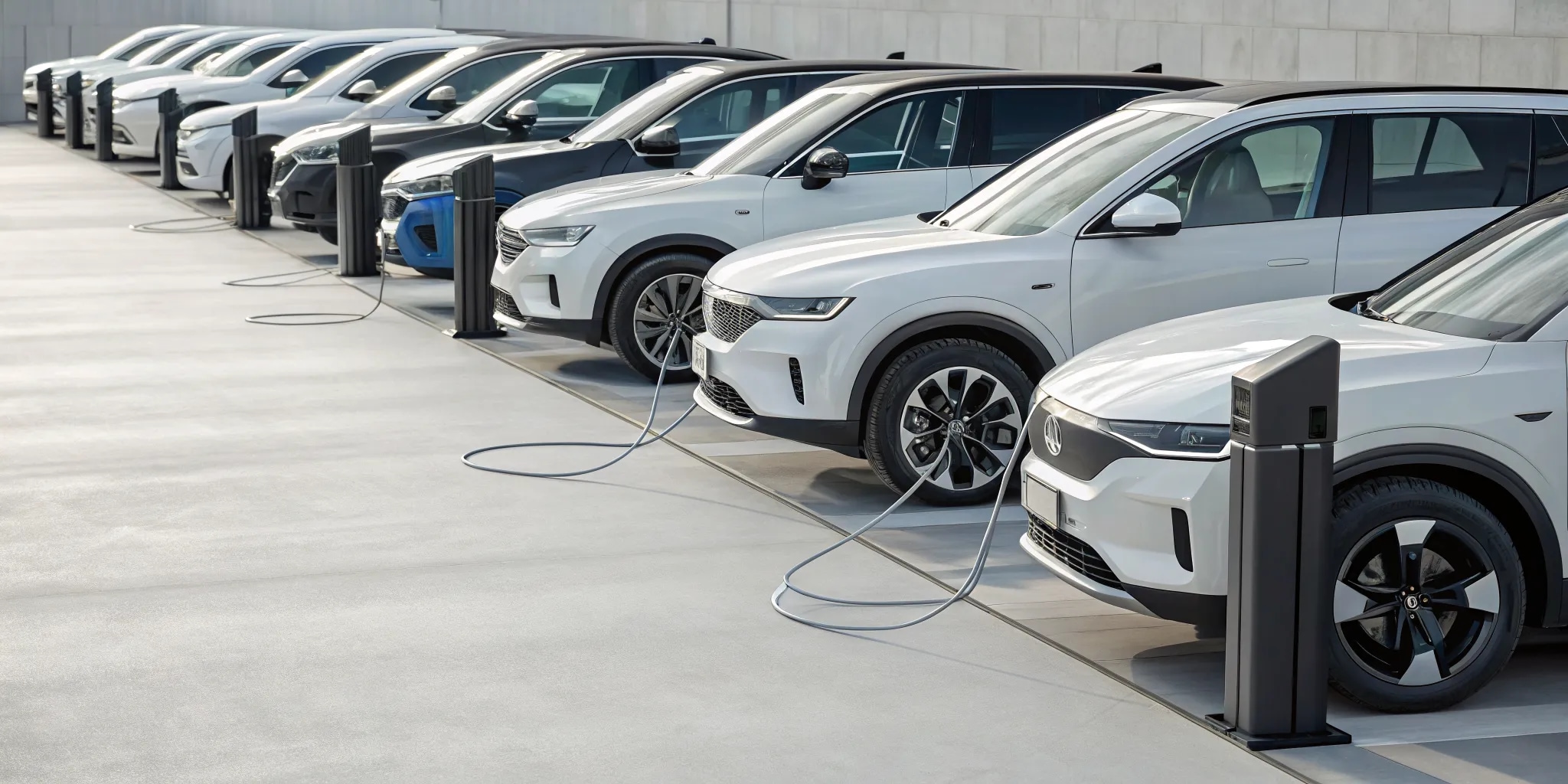
The thought of skipping the gas station forever is appealing, but the real benefits of owning an electric SUV go far beyond fuel savings. It’s about enjoying a quiet, smooth ride on your commute through Plano, having instant acceleration at your fingertips, and knowing you have a modern vehicle packed with the latest tech. Many people assume this experience comes with a luxury price tag, but that’s no longer the case. The growing pre-owned market means a high-quality used EV SUV under 25k is well within reach. This guide will walk you through the best models available, helping you find a vehicle that fits your budget and your lifestyle.
Key Takeaways
- Focus on the battery, not just the miles: A used EV's long-term value depends on its battery health, so always check its condition and any remaining warranty coverage before making a decision.
- Understand the full cost before you buy: A great deal includes more than the sticker price, so remember to account for home charging installation, insurance rates, and potential savings from the Used Clean Vehicle Tax Credit.
- Never skip the inspection and history report: Protect your investment by getting a professional pre-purchase inspection from an EV-savvy mechanic and reviewing a complete vehicle history report to uncover any past issues.
What Makes a Great Used Electric SUV Under $25,000?
Finding a great used electric SUV for under $25,000 feels like hitting the jackpot. You get the space and practicality your family needs, plus the perks of lower running costs and a smaller carbon footprint. The market for pre-owned EVs is growing fast, which is great news for buyers in the Dallas-Fort Worth area. But a low price tag is just the beginning. A truly great deal means finding a vehicle that’s reliable, affordable to own, and ready for the road ahead.
So, what separates a smart buy from a potential headache? It comes down to a few key things. First and foremost is the battery. The battery is the heart of any EV and its most expensive component. A vehicle's battery health is the single most important factor to check, as a replacement can cost anywhere from $10,000 to $20,000. A great used EV SUV will have a battery that still holds a strong charge and shows minimal degradation.
Beyond the battery, you’ll want to look at the vehicle’s maintenance history. While EVs generally require less service than gas-powered cars (no oil changes!), they still need regular care. A complete service record shows the previous owner took good care of the vehicle. Finally, consider the total cost of ownership. A lower purchase price combined with reduced maintenance needs and savings on gas makes for a fantastic long-term value. Special financing options for EVs can also make your purchase more affordable, so it’s worth looking into green loan programs from local credit unions.
7 Best Used Electric SUVs Under $25,000
Finding a great electric SUV doesn't mean you have to stretch your budget for a brand-new model. The used EV market is full of fantastic options that let you skip the steepest depreciation while still getting modern tech, impressive range, and zero emissions. For drivers in the DFW area, this means you can handle everything from the daily commute on the Dallas North Tollway to a weekend trip to Austin without stopping for gas.
We've put together a list of the top used electric SUVs you can find for under $25,000. This price point hits the sweet spot, offering a wide variety of vehicles from practical and efficient crossovers to premium luxury models. Each one brings something unique to the table, whether it's class-leading range, lightning-fast charging, or the comfort and style you expect from a high-end brand. Let's find the right one for you.
Chevrolet Bolt EUV
If you’re looking for a practical and spacious EV that delivers serious value, the Chevrolet Bolt EUV is a top contender. It’s slightly larger than its sibling, the Bolt EV, giving you more rear legroom and a comfortable ride. With a real-world range of around 247 miles, it has plenty of juice for daily driving and occasional road trips. You can find plenty of low-mileage examples for well under our $25,000 budget. While early models had a battery recall, those issues have been addressed by GM, making a used Bolt EUV a reliable and safe choice for any driver.
Hyundai Kona Electric
The Hyundai Kona Electric is a fan favorite for good reason. It packs an impressive punch with an EPA-estimated range of 258 miles, making it one of the most efficient options in its class. Its compact size makes it easy to park and maneuver in busy areas like downtown Dallas, but the interior is still roomy enough for small families or weekend gear. You can find well-equipped models starting around $15,000, so getting a low-mileage version under $25,000 is very achievable. It’s a smart, economical choice that doesn’t compromise on range or features, and Hyundai’s excellent powertrain warranty often carries over to second owners.
Kia Niro EV
The Kia Niro EV strikes a perfect balance between practicality, range, and value. It shares much of its excellent engineering with the Hyundai Kona Electric but offers a bit more cargo space in a slightly larger package. You can expect a driving range of about 239 miles on a full charge, which is more than enough for most drivers' weekly needs. The Niro EV is known for its comfortable ride and user-friendly tech. With prices for used models often falling between $12,000 and $18,000, it’s one of the most affordable and compelling options on the market, making it a great entry point into electric vehicle ownership.
Hyundai Ioniq 5
With its futuristic styling and cutting-edge technology, the Hyundai Ioniq 5 looks like it drove right out of a sci-fi movie. It’s built on an advanced platform that allows for incredibly fast charging, letting you add over 200 miles of range in under 20 minutes at a compatible DC fast charger. Finding one under $25,000 usually means looking at models with over 60,000 miles, but don’t let that deter you. The main powertrain components are typically still under Hyundai’s long warranty, giving you peace of mind. It’s the perfect choice for tech-savvy drivers who want a stylish SUV that’s ready for any road trip.
Kia EV6
The Kia EV6 is the sporty cousin to the Hyundai Ioniq 5, sharing the same groundbreaking EGMP platform and its super-fast charging capabilities. The EV6, however, offers a more driver-focused experience with sharp handling and a sleek, aggressive design. Like the Ioniq 5, models under $25,000 will likely have higher mileage, but the core components are built to last and are often still covered by Kia’s warranty. If you want an electric SUV that’s as thrilling to drive as it is practical, the Kia EV6 is an excellent choice that stands out from the crowd.
Audi e-tron
Here’s your chance to get into a true luxury EV for a fraction of its original price. When new, the Audi e-tron often sold for over $80,000, but significant depreciation means you can now find early models for under $25,000. For that price, you get a beautifully crafted interior, a whisper-quiet ride, and the premium feel that Audi is known for. The range is around 222 miles, which is perfectly adequate for city and suburban life. The e-tron offers a level of comfort and refinement that’s hard to beat, making it a fantastic deal for anyone wanting a premium driving experience without the luxury price tag.
Jaguar I-PACE
If you’re looking for an electric SUV with head-turning style and athletic performance, the Jaguar I-PACE delivers. It comes standard with all-wheel drive and an adaptive air suspension that provides a smooth, controlled ride. The I-PACE feels more like a sports car than an SUV, with quick acceleration and nimble handling. You can find mid-mileage examples for under $25,000, offering incredible value for a vehicle that once competed with the best in the luxury market. It’s a great choice for the driver who wants to make a statement and enjoy every moment behind the wheel.
Key Features to Look For in a Used EV SUV
Shopping for a used electric SUV is a bit different than looking for a traditional gas-powered car. Instead of checking the engine and transmission, your focus will shift to the battery and charging systems. Knowing what to look for can help you find a reliable vehicle that fits your lifestyle and saves you from unexpected costs down the road.
Think of it this way: the battery is the new engine. Its health, the vehicle's real-world range, and any remaining warranty coverage are the most important factors to consider. A great deal on a used EV SUV isn't just about the sticker price; it's about the long-term value and peace of mind you get from your purchase. By paying close attention to these key areas, you can confidently choose an electric SUV that you'll love driving around Dallas and beyond.
Battery Health and Capacity
The battery is the single most expensive component in an electric vehicle, so its condition should be your top priority. A battery's health, often called its "state of health" (SOH), tells you how much of its original capacity it can still hold. Over time, all batteries degrade slightly, but you want to find one that has been well-maintained. As experts note, "The battery is the most expensive part of an EV. Its health is the most important thing to check." A bad battery can lead to a replacement cost of $10,000 to $20,000, so verifying its condition is a crucial step that can save you a fortune.
Driving Range and Charging Speed
Before you fall in love with a specific model, think about your daily driving habits. How long is your commute? Do you often take road trips outside the DFW area? The EPA-estimated range is a good starting point, but real-world range can vary based on weather, terrain, and your driving style. As the team at Car and Driver points out, EVs are a great choice for people who can charge at home and don't frequently take long trips. Also, consider the vehicle's charging speed. How quickly can it recharge at home or at a public DC fast-charging station? This will directly impact the convenience of your ownership experience.
Remaining Warranty Coverage
One of the biggest advantages of buying a newer used EV is the possibility of remaining warranty coverage. Most manufacturers offer a separate, longer warranty for the battery and electric drive components, which is often good for eight years or 100,000 miles. This coverage can provide incredible peace of mind, protecting you from potentially massive repair bills. Before you buy, always confirm how much time and mileage are left on the battery warranty. This single detail can make one vehicle a much smarter purchase than another, even if they have a similar price tag.
Vehicle History and Mileage
Just like with any used car, a clean vehicle history report is non-negotiable. You need to know if the SUV has been in any major accidents or has any title issues like flood damage or mileage discrepancies. While mileage is still a factor, it's slightly less critical for an EV than for a gas car, as electric motors have far fewer moving parts to wear out. The battery's health is a more important indicator of the vehicle's longevity. A thorough report will give you a clear picture of the car's past so you can avoid any hidden problems and make a sound investment.
What's a Fair Price for a Used Electric SUV?
Figuring out what you should pay for a used electric SUV can feel a little different than shopping for a gas-powered car. The good news is that the market for pre-owned EVs is growing, which means more options and competitive pricing for buyers right here in the Dallas-Fort Worth area. The value of an EV is tied less to its mileage and more to the health of its battery and its tech features. Once you know what to look for, you can feel confident you’re getting a great vehicle at a fair price. Let’s break down what that looks like and the key factors that influence the final number on the sticker.
Price Ranges by Model and Condition
In the under-$25,000 bracket, you’ll find a surprisingly wide spectrum of vehicles. At the lower end, closer to $15,000, you’ll likely see earlier models of the Kia Niro EV or Hyundai Kona Electric. As you move closer to the $25,000 mark, newer and more sought-after models come into view, like the stylish Hyundai Ioniq 5 or even a well-maintained Audi e-tron. Of course, the vehicle’s overall condition plays a huge role. A pristine, low-mileage older model could easily have a higher price tag than a newer one with more signs of wear and tear.
Typical Mileage in the Under-$25k Market
Don’t let a higher number on the odometer scare you away from an otherwise perfect EV. Electric motors have very few moving parts compared to a combustion engine, so high mileage is much less of an indicator of future repair bills. In this price range, it’s common to see vehicles with anywhere from 30,000 to over 90,000 miles. A higher-mileage EV that has been well cared for, especially one with a documented healthy battery, can be a fantastic and reliable deal. The key is to shift your focus from the mileage to the battery’s condition and the vehicle’s service history.
Factors That Impact Price and Depreciation
Several key elements determine a used EV's price, but the most critical is battery health. A battery's ability to hold a full charge degrades slowly over time, and this has the single biggest impact on an EV's resale value. Always ask for a battery health report if one is available. Beyond that, the specific trim level, included features like fast-charging capability, and any remaining manufacturer warranty add significant value. Finally, local demand here in DFW for certain models can also influence pricing, so it pays to compare similar vehicles in the area to get a feel for the market.
The Real Costs of Buying a Used Electric SUV
The sticker price on a used electric SUV is just the beginning of the story. To make a truly smart purchase, you need to look at the total cost of ownership. This includes everything from potential battery issues to the cost of charging at home. Understanding these factors will help you budget accurately and choose a vehicle that’s a great fit for your life and your wallet, without any surprise expenses down the road.
Battery Degradation and Replacement
Let's talk about the most important component of any EV: the battery. Over time, all batteries lose some of their ability to hold a charge, and this is known as degradation. The battery is also the most expensive part of an electric vehicle, so its health is the number one thing to check. A failing battery can cost anywhere from $10,000 to $20,000 to replace, which could easily erase any savings you got on the initial purchase. Before you buy, always ask for a battery health report to see its current maximum capacity.
Insurance and Maintenance Needs
One of the best perks of owning an EV is the lower maintenance. Electric vehicles generally cost less to service because they have fewer moving parts than a gas-powered car. You can say goodbye to oil changes and tune-ups for spark plugs or filters. However, it's a good idea to get insurance quotes before you commit. Some insurance providers charge more for EVs due to the specialized knowledge and parts required for repairs, especially for the battery and electronic systems. A quick call to your insurance agent can give you a clear picture of what to expect.
Home Charging Expenses
Charging your SUV at home is convenient and usually cheaper than using public stations, but there's an upfront cost. Most drivers will want a Level 2 charger for faster, more efficient charging overnight. If the vehicle doesn't come with one, you can expect to spend between $400 and $800 for the unit itself. You may also need to hire an electrician to install a 240-volt outlet in your garage, which adds to the initial investment. It's a good idea to get a quote from a local electrician to understand the full cost of a home charging setup.
Common Misconceptions to Ignore
When you're shopping for a deal, it's easy to get drawn to the lowest price tag. But just because a used EV is cheap doesn't mean it's a good buy. A low price could be a red flag for significant battery degradation or other underlying issues. Instead of focusing only on the sale price, consider the complete picture. Think about the battery's health, how fast the car charges, and any potential repair costs. A slightly more expensive SUV with a healthy battery and a solid warranty is often the smarter long-term investment.
How to Finance Your Used Electric SUV
Figuring out how to pay for your next vehicle can feel like the least exciting part of the car-buying process, but when it comes to a used electric SUV, there are some unique financial perks you won’t want to miss. The process is similar to financing any other car, but with a few key differences that can save you serious money. From special loan programs to federal tax credits, a little bit of research can go a long way.
Before you even start looking at cars, it’s a great idea to get a handle on your budget and explore your financing options. This puts you in a stronger position and helps you know exactly what you can comfortably afford. Think beyond just the monthly payment. You’ll want to consider the total cost of the loan, potential tax savings, and the long-term expenses of owning an EV. We’ll walk through some of the best ways to approach financing, so you can drive off the lot feeling confident in your purchase. At Auto Web Expo, our finance team is always here to help you find the best rates and terms available through our network of trusted lenders.
Credit Unions and Green Loan Programs
Your first thought for a car loan might be a large national bank, but don't overlook your local credit unions. Many of them are eager to support sustainable choices and offer special "green" or EV loan programs. These often come with a slightly lower interest rate than their standard used-car loans. According to industry experts, top-tier borrowers can find rates in the mid‑5% to low‑7% range on used EVs by going through the right lenders. It’s worth making a few calls to DFW-area credit unions to see what kind of EV-specific financing they offer. You might be surprised by the savings.
The Used Clean Vehicle Tax Credit
This is one of the biggest financial incentives for buying a used EV, and you don't want to miss it. If you buy a qualified used electric vehicle from a licensed dealer for $25,000 or less, you may be eligible for a significant tax credit. The Used Clean Vehicle Credit can put up to $4,000 back in your pocket, which makes a huge difference in the overall cost. The key requirements are that the vehicle's sale price is under the cap and that you purchase it from a dealer, not a private seller. The rules can be specific, so it’s always best to check the latest guidelines from the IRS to ensure both you and the vehicle qualify.
Shopping for Competitive Rates Online
Just like you’d shop around for the best price on a car, you should do the same for your auto loan. Interest rates can vary quite a bit between lenders, and finding a competitive offer can save you hundreds or even thousands of dollars over the life of the loan. Car incentives and financing deals often change, so it pays to see what’s available. Getting pre-approved from your bank or credit union is a great first step. It gives you a baseline rate to compare against other offers, including the financing options we can help you find at the dealership. This way, you know you’re getting a great deal.
Calculating Your Total Cost of Ownership
The sticker price is just one part of the equation. As some experts note, "Just because an EV is cheap doesn't mean it's a smart buy." To get a true picture of your expenses, you need to calculate the total cost of ownership. This includes factors like insurance, home charging installation, public charging costs, and potential maintenance. While EVs generally require less maintenance than gas cars (no oil changes!), you should still consider the battery's health and remaining warranty. Factoring in these long-term costs will help you make a smarter financial decision and ensure your new-to-you EV fits comfortably within your budget.
Your Pre-Purchase Inspection Checklist for a Used EV
You’ve found a used EV that checks all your boxes online, but now it’s time for the real test. A thorough pre-purchase inspection is your best tool for making a smart buy. It helps you look past the shiny exterior to understand the vehicle's true condition and avoid any unwelcome surprises down the road. While electric vehicles have fewer moving parts than their gas-powered counterparts, the components they do have, especially the battery, are critical to their performance and value. This is about making an informed financial decision on a sophisticated piece of technology.
Think of this checklist as your guide to becoming a confident used EV buyer. We’ll walk through exactly what to look for, from the battery’s health to the smallest interior details. Taking the time to go through these steps can save you a lot of headaches and money. It ensures the car you’re considering is not only a great deal but also a reliable vehicle that will serve you well for years to come. A few minutes of careful inspection can be the difference between driving home happy and dealing with unexpected repairs. So, grab your notes, and let’s get ready to give that EV a proper look.
How to Test the Battery
The battery is the single most important and expensive component of any EV. Its health directly impacts your driving range and the car's overall performance. Before you even think about signing papers, you need a clear picture of its condition. For EVs, you should get a battery health report from a third-party service to understand the state of the main battery. These reports analyze data to show you the battery’s current capacity and estimated range, giving you a much clearer idea of its long-term viability. A healthy battery is key to a good ownership experience, so this step is non-negotiable.
What to Look For During a Physical Inspection
A car’s physical condition tells a story about how it was treated by its previous owner. Start by walking around the vehicle, looking for any major dents, scratches, or mismatched paint, which could indicate a past accident. Check the tires for even wear; uneven tread might point to alignment issues. Inside, look for rips, stains, or broken parts. Don't forget to check for rust underneath the car and in the wheel wells. A lot of wear and tear could suggest the previous owner didn't take great care of the car, which might be a red flag for its mechanical condition, too.
Steps to Verify the Service History
Even without oil changes, EVs still require regular maintenance. You’ll want to review the car's service records to ensure it has been well-maintained. Ask the seller or dealership for a complete service history. Look for records of routine check-ups, tire rotations, brake fluid changes, and any software updates. A detailed vehicle history report can also provide valuable insights into the car's past, including any reported accidents or title issues. A consistent maintenance record is a great sign that the vehicle was cared for properly and is likely to be reliable.
Your Test Drive Checklist
The test drive is your chance to see how the EV feels on the road. When buying a used EV, it's very important to do your homework and a test drive is a key part of that. Pay attention to how the car accelerates, brakes, and handles. Test the regenerative braking system at different levels if possible. Listen for any unusual noises like humming, clunking, or whining. Be sure to drive on a mix of roads, including city streets and highways, to assess its performance in different conditions. Finally, test all the interior features, from the infotainment screen and climate control to the charging port, to make sure everything works as it should.
Expert Tips for a Smart Used EV Purchase
You’ve done your research, picked a few favorites, and you’re ready to take the next step. Before you sign any paperwork, a few final checks can ensure your used EV is a fantastic investment, not a future headache. These tips will help you finalize your decision with confidence, making sure you drive off the lot with a car you’ll love for years to come. Think of this as your final walkthrough before getting the keys to your new-to-you electric SUV.
Get a Professional Pre-Purchase Inspection
Even if a car looks perfect, you should always get a pre-purchase inspection (PPI). This is especially true for EVs, which have unique components like high-voltage batteries and complex software. Pay a trusted local mechanic, preferably one with experience working on electric vehicles, to give the SUV a thorough once-over. They can spot hidden problems that aren’t obvious during a test drive, from battery health issues to underlying electronic glitches. A small investment in a PPI can save you from major repair bills down the road and give you valuable peace of mind.
Pull a Comprehensive Vehicle History Report
A vehicle history report is your window into the car’s past life. Before you commit, it’s essential to run a background check to verify its history. These reports reveal critical information, including whether the car has been in a major accident, if there are mileage discrepancies, or if it has a salvage title. You can also see if the vehicle has any outstanding finance owed on it. This step helps you confirm that the car is exactly what the seller claims it is and protects you from buying a vehicle with a troubled history.
Plan Your Home Charging Setup
One of the best parts of owning an EV is waking up to a full "tank" every morning. To do that, you’ll need a solid home charging plan. Most drivers find that a Level 2 charger is the best option for overnight charging. If the vehicle you’re buying doesn’t include one, you should plan to spend $400 to $800 for the unit, plus potential installation costs by an electrician. It’s a good idea to factor this expense into your total budget. Also, take a moment to identify public charging stations near your home and workplace as a convenient backup.
Where to Find the Best Used EV Deals in DFW
Finding the right deal on a used electric SUV doesn't have to be overwhelming, especially in the Dallas-Fort Worth area. Whether you prefer a hand-picked selection from a trusted local dealer or want to cast a wide net online, you have some excellent options. Knowing where to start can save you time and help you find a quality EV that fits your budget.
Auto Web Expo's Curated Selection
Your first stop for a great deal on a used EV in DFW should be a dealership that specializes in quality pre-owned vehicles. At Auto Web Expo, we take the guesswork out of the process by offering a curated selection of used EVs that meet our high standards. We focus on providing reliable and affordable options, making it easier for you to find an electric SUV under $25,000 without sacrificing quality. Browsing our inventory gives you a clear picture of what’s available right here in the Plano, Dallas, and Frisco area, so you can spend less time searching and more time test driving.
Local Certified Pre-Owned Programs
Don't overlook the certified pre-owned (CPO) programs at local dealerships. These programs can be a goldmine for finding nearly new electric cars, sometimes even recent models with very low mileage, for under $25,000. A CPO vehicle has been thoroughly inspected and comes with a manufacturer-backed warranty, which adds a fantastic layer of security to your purchase. When you see a car marked as "Certified Pre-Owned," you know it has passed a rigorous multi-point inspection and is ready for the road. It’s an excellent way to get the benefits of a newer car at a used-car price.
Online Marketplaces and Local Inventory
If you want to see everything the market has to offer, online marketplaces are your best friend. Websites like CarGurus and Autotrader let you filter by price, model, and location, so you can easily see all the used EVs for sale in the DFW area. You’ll find plenty of popular models from brands like Chevrolet, Kia, Nissan, Hyundai, and even Tesla in the under-$25k price range. Using these platforms is a great way to compare different vehicles and get a feel for fair market pricing before you head to a dealership for a test drive.
Related Articles
Frequently Asked Questions
Is there a reliable way to check an EV's battery health before I buy it? Absolutely. While the car's dashboard gives you an estimated range, you'll want a more detailed analysis. The best approach is to get a third-party battery health report from a service like Recurrent. These reports provide a clear score for the battery's condition and tell you how much of its original capacity it can still hold, giving you a true sense of its long-term health.
Should I be worried about buying a used EV with high mileage? Not necessarily. Electric motors have far fewer moving parts than gasoline engines, so they don't wear out in the same way. A high-mileage EV can still be a fantastic and reliable vehicle. Instead of focusing only on the odometer, pay closer attention to the battery's state of health and the vehicle's complete service history. These are much better indicators of the car's future performance.
Does the original battery warranty transfer to a second owner? In most cases, yes. Manufacturers' battery warranties, which often last for eight years or 100,000 miles, typically stay with the vehicle and transfer to subsequent owners. However, you should always verify the exact terms and confirm how much time and mileage are left on the warranty for the specific car you're considering. This is a key piece of information that provides significant peace of mind.
Besides the car itself, what other major costs should I budget for when buying a used EV? The most common additional expense is setting up a Level 2 charger at home. This involves purchasing the unit and potentially hiring an electrician for installation, which can cost several hundred dollars. It's also wise to get an insurance quote beforehand, as rates for some EV models can be higher. Factoring these potential costs into your budget will give you a clear picture of your total investment.
Do all used EVs under $25,000 qualify for the federal tax credit? No, not automatically. To be eligible for the Used Clean Vehicle Credit, the vehicle's final sale price must be $25,000 or less, and you must buy it from a licensed dealer, not a private individual. The vehicle model itself must also be on the IRS's list of qualified vehicles. It's important to check the latest IRS guidelines to ensure both you and the specific car you want meet all the requirements.